1177 results
-
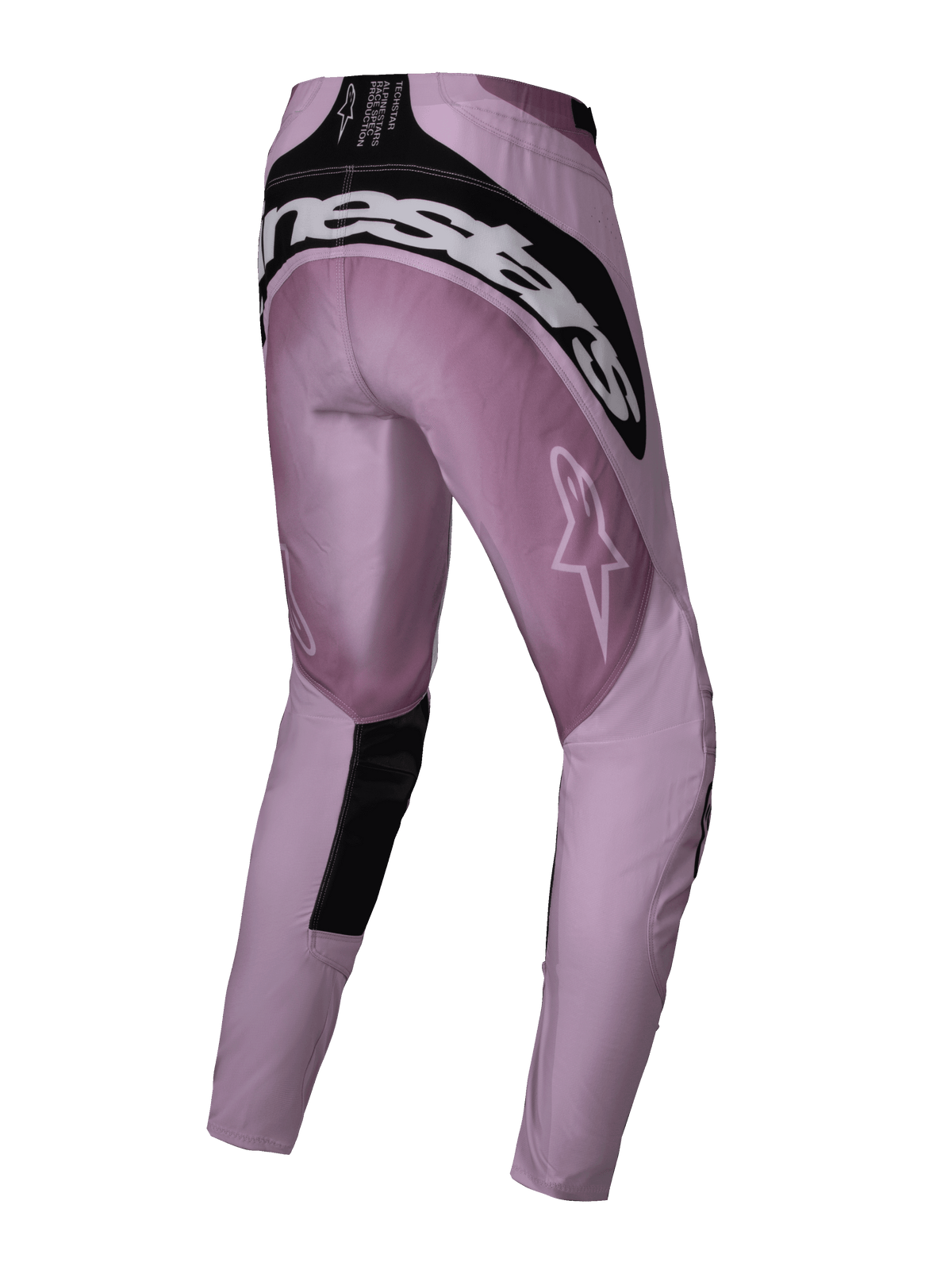
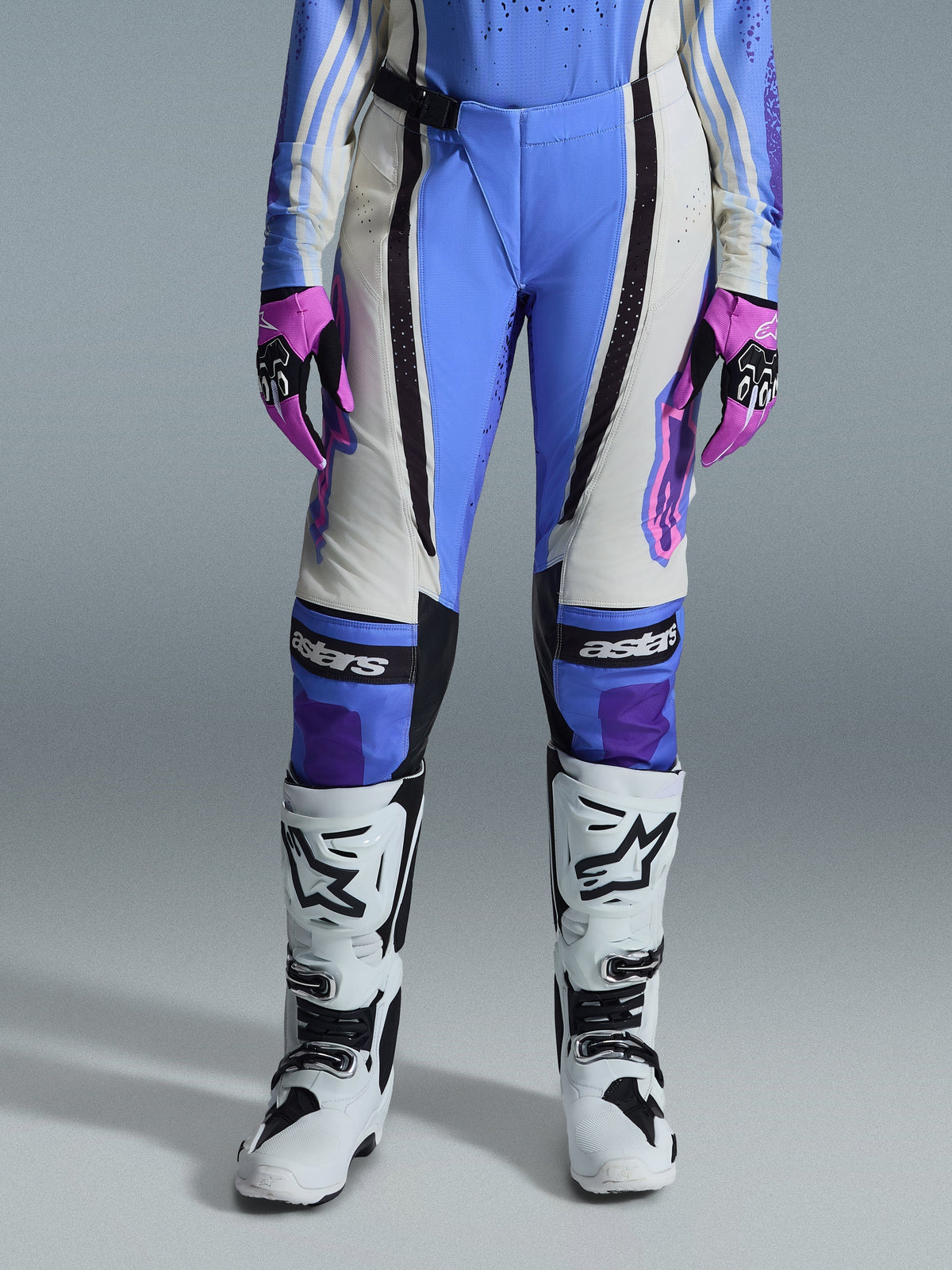
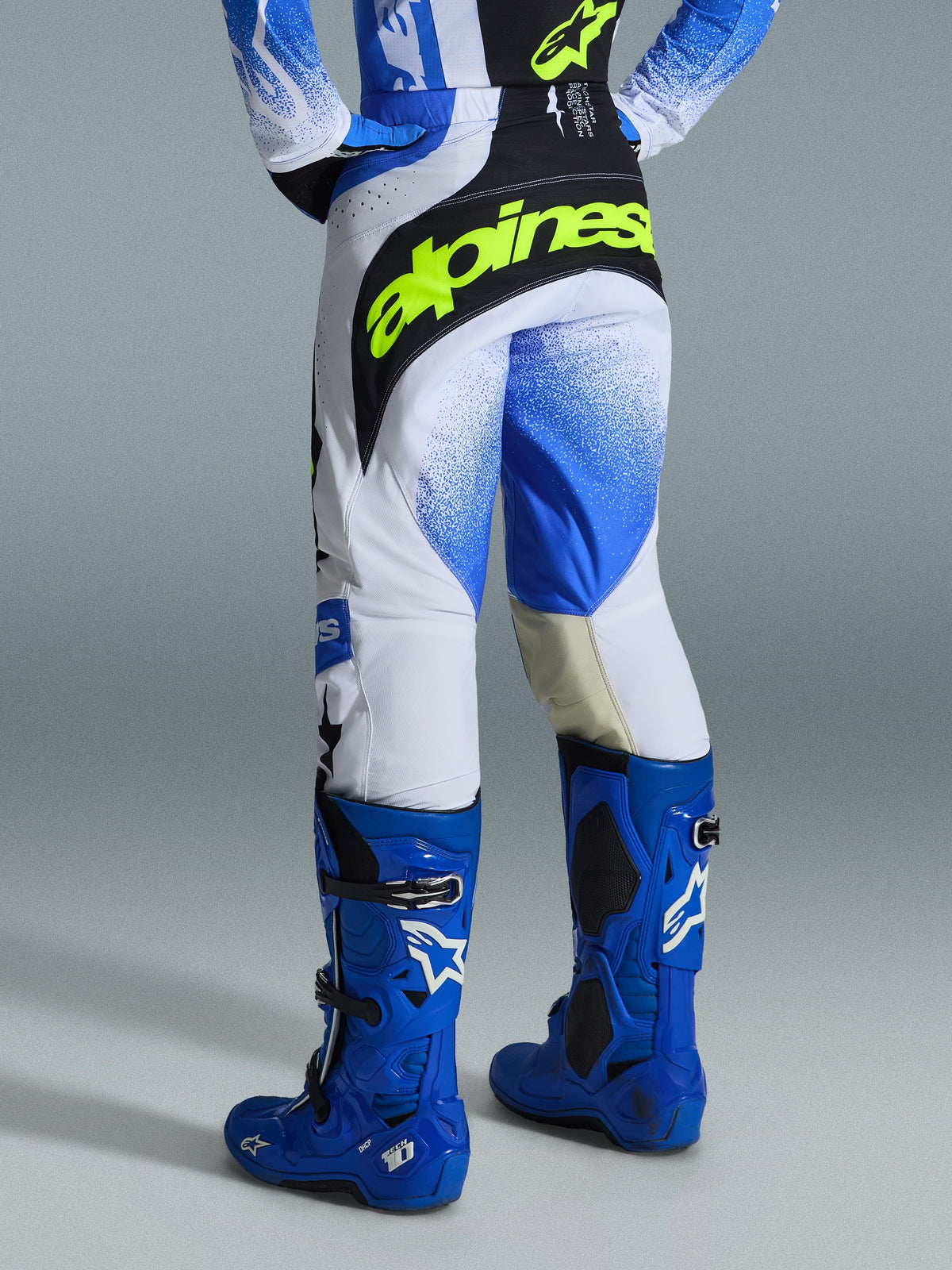
2026 Techstar Nomur Pants -
2026 Techstar Knif Pants -
MM93 Spx 1 Gloves -
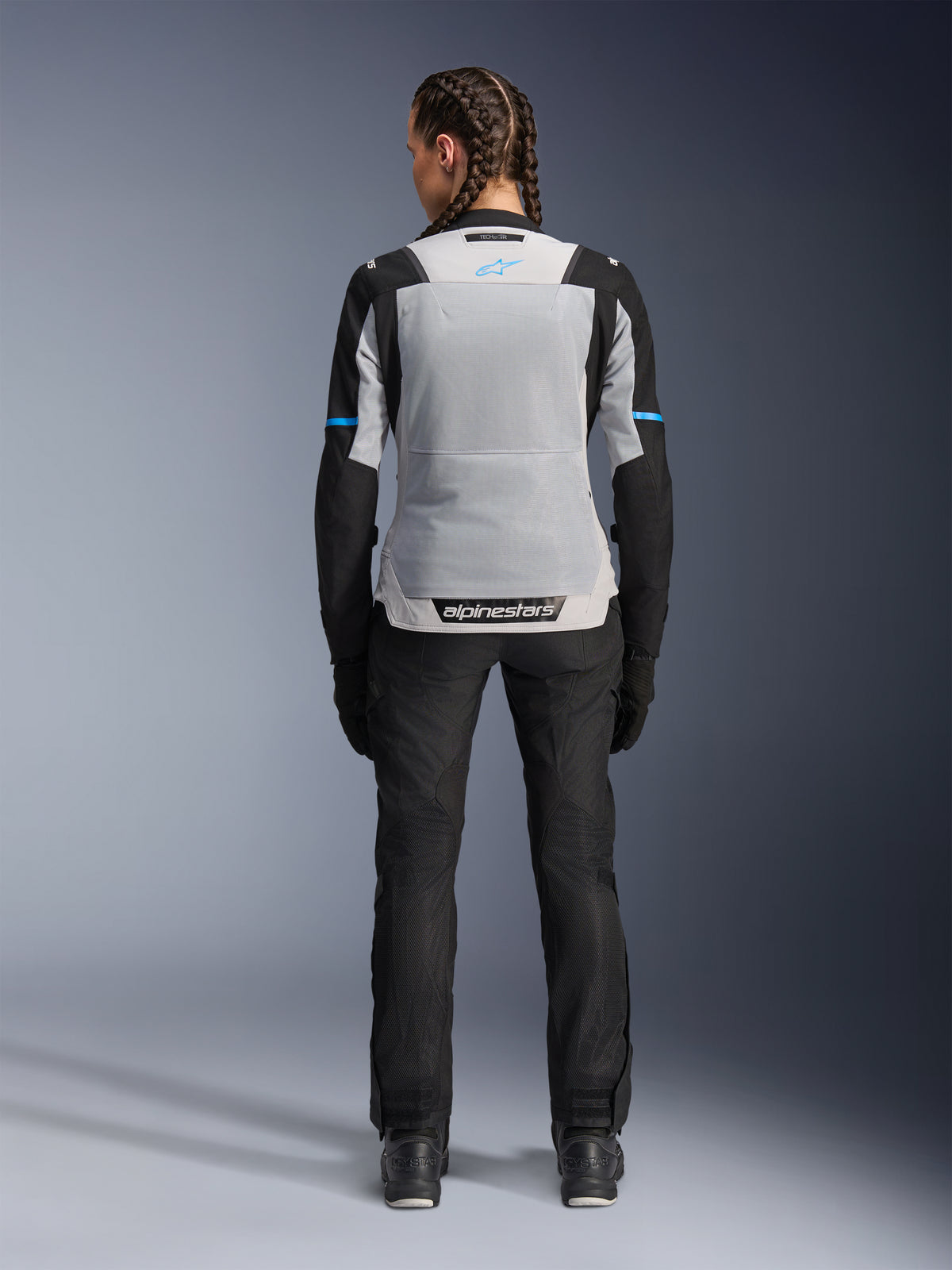
ST-7 2L GORE-TEX Jacket -
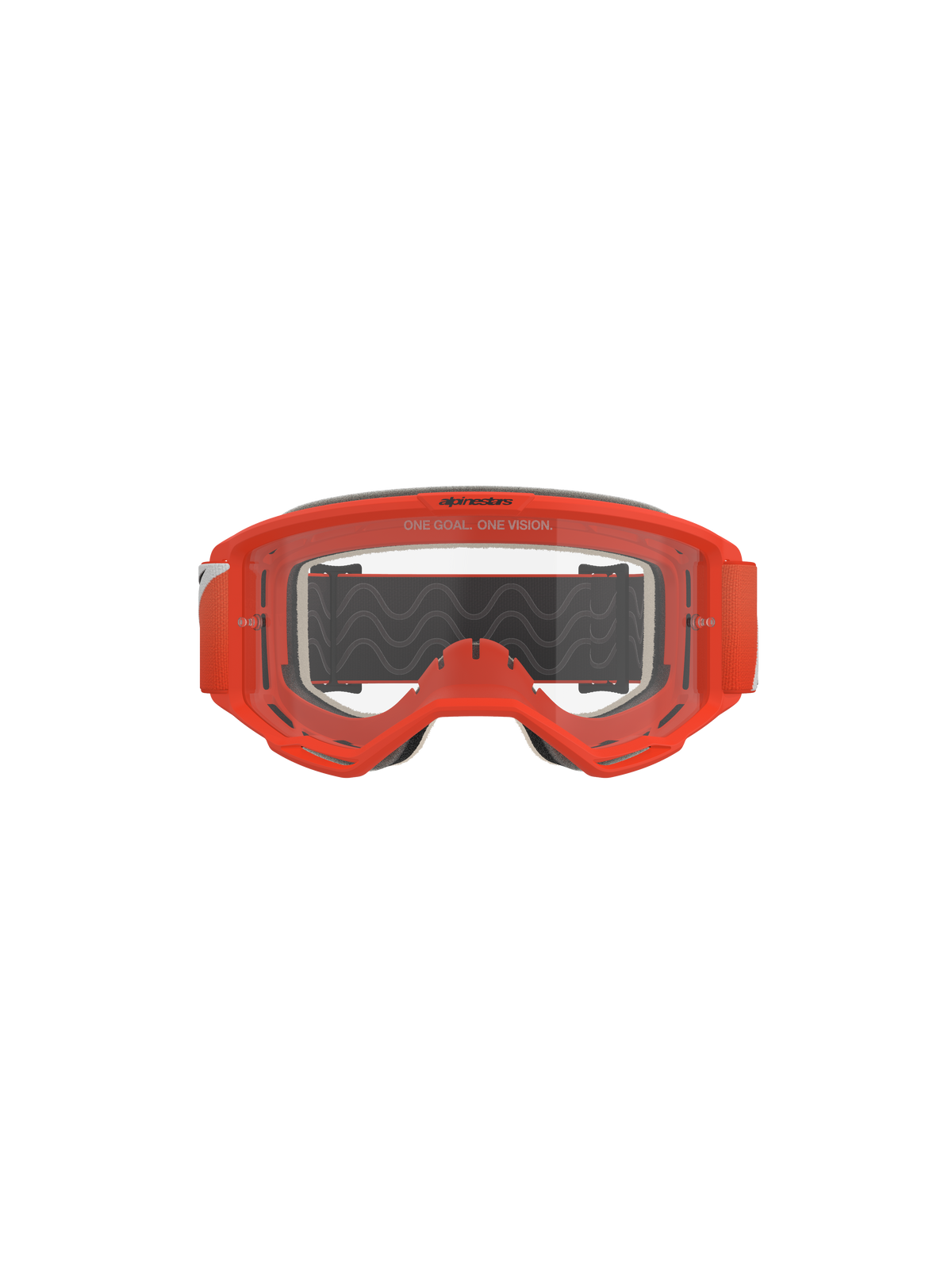
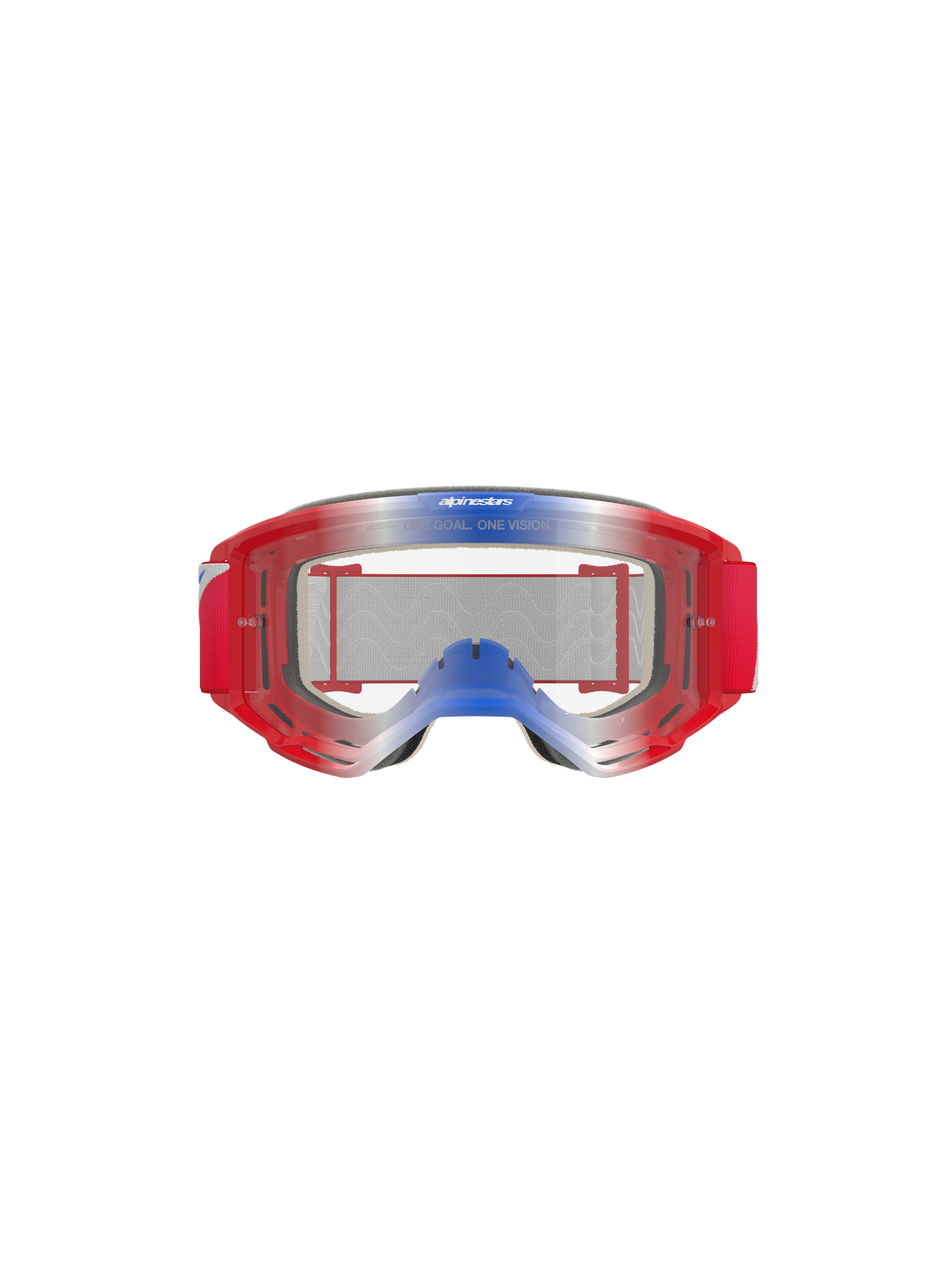
Vision 5 Corp Goggles -
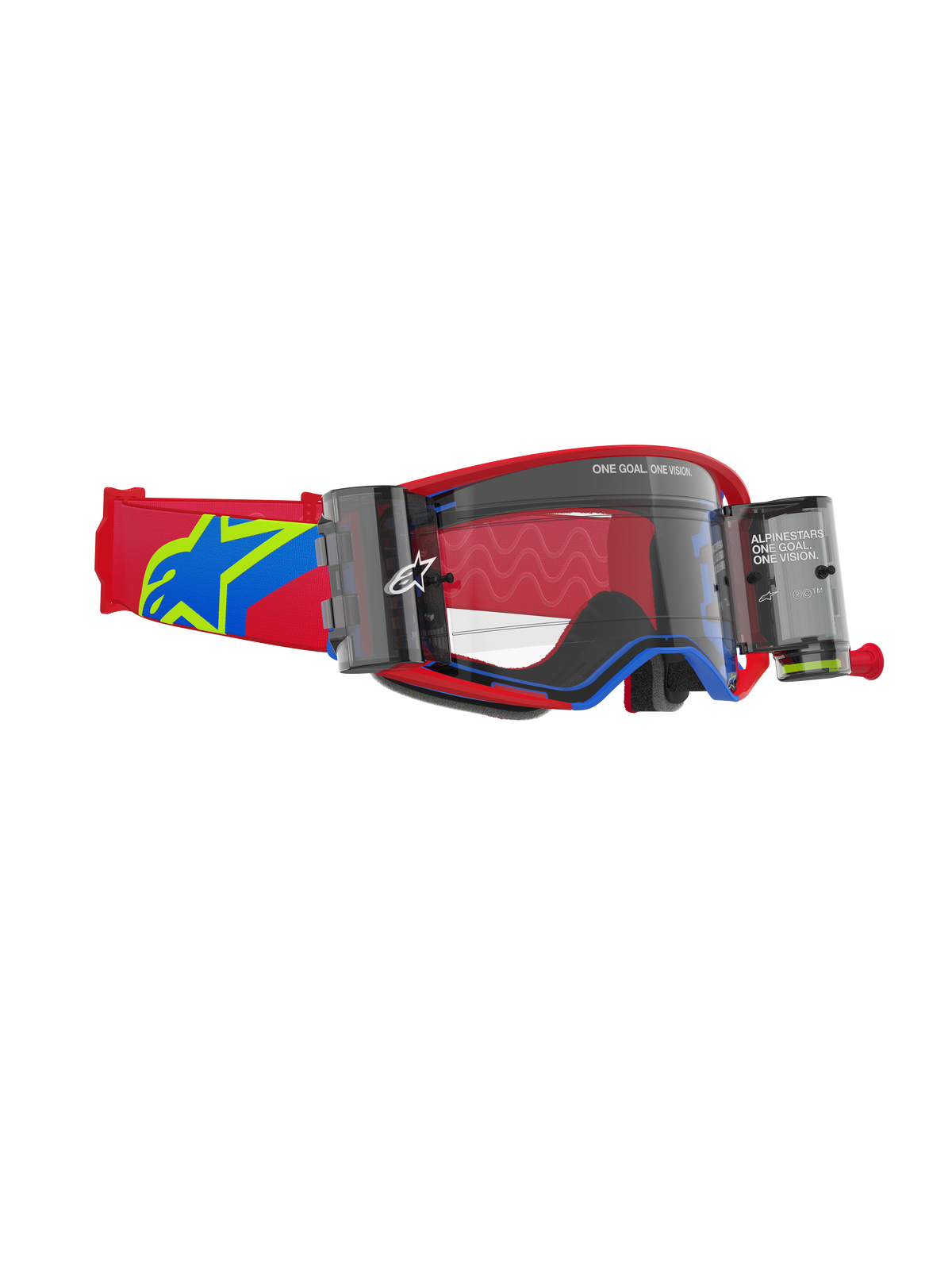
Supertech Corp Goggles Roll Off -
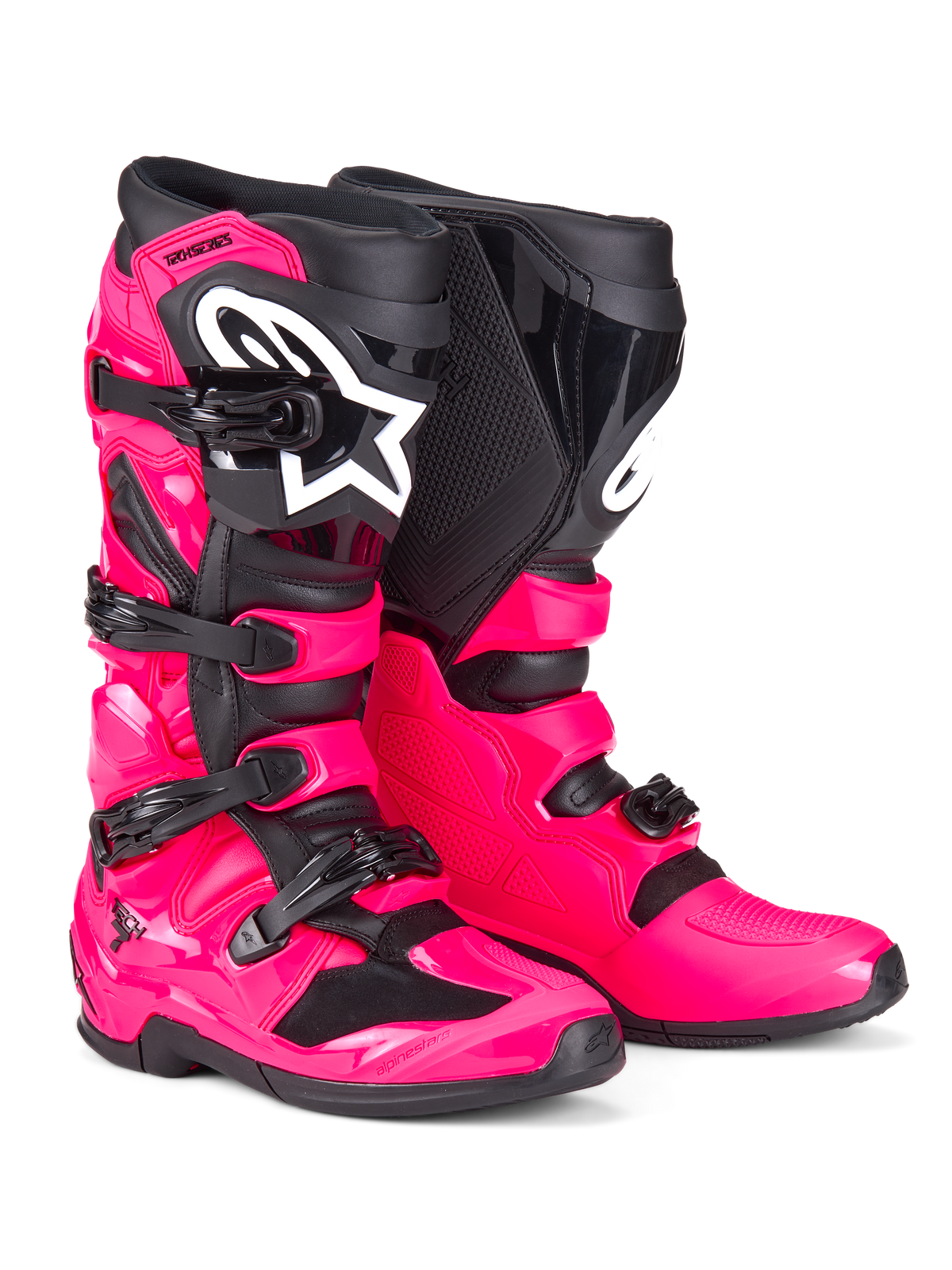
Tech 7 Boots -
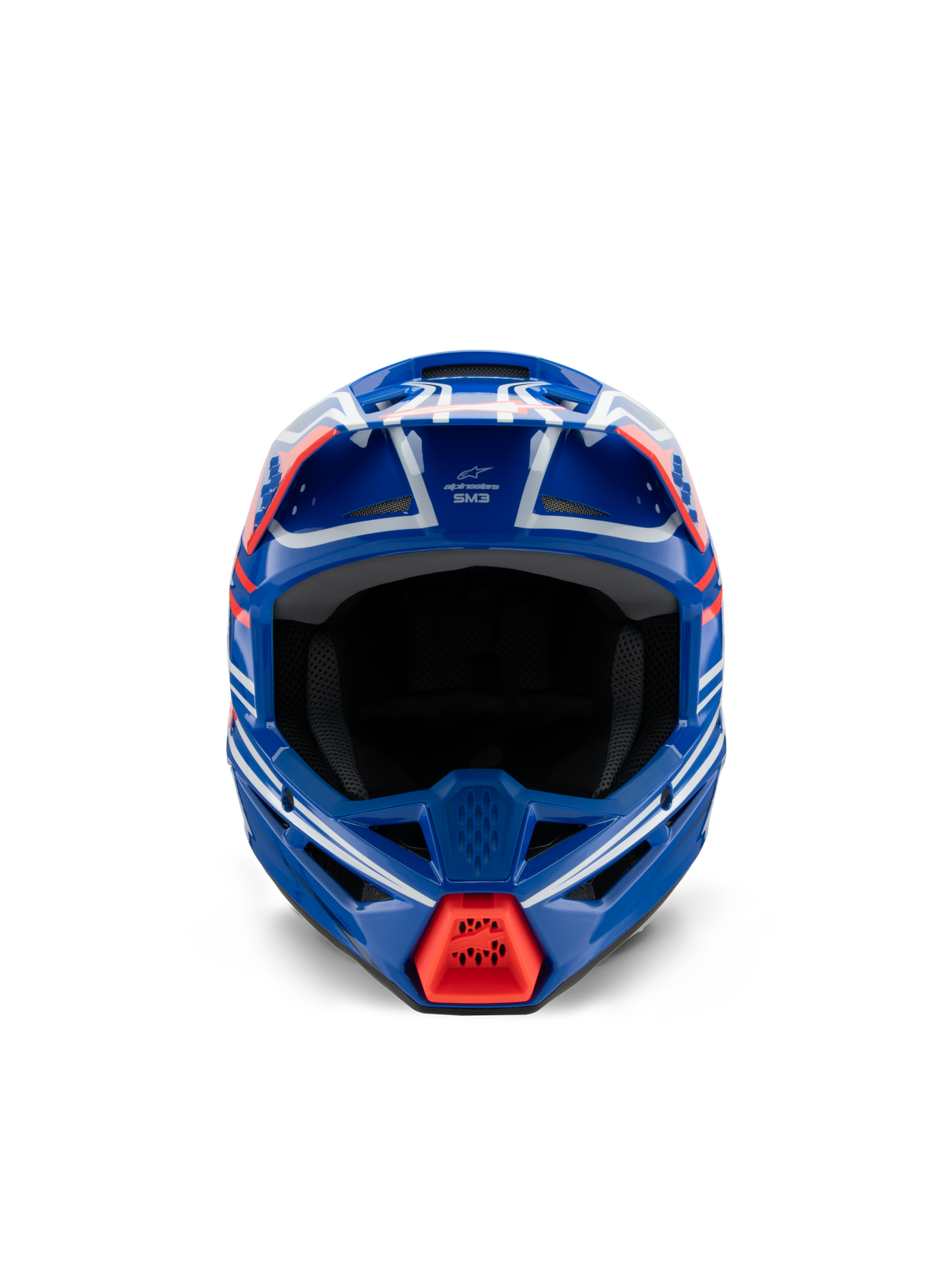
S-M3 Youth Wurx Helmet ECE 22.06 -
2025 Stella Techstar Melt Pants -
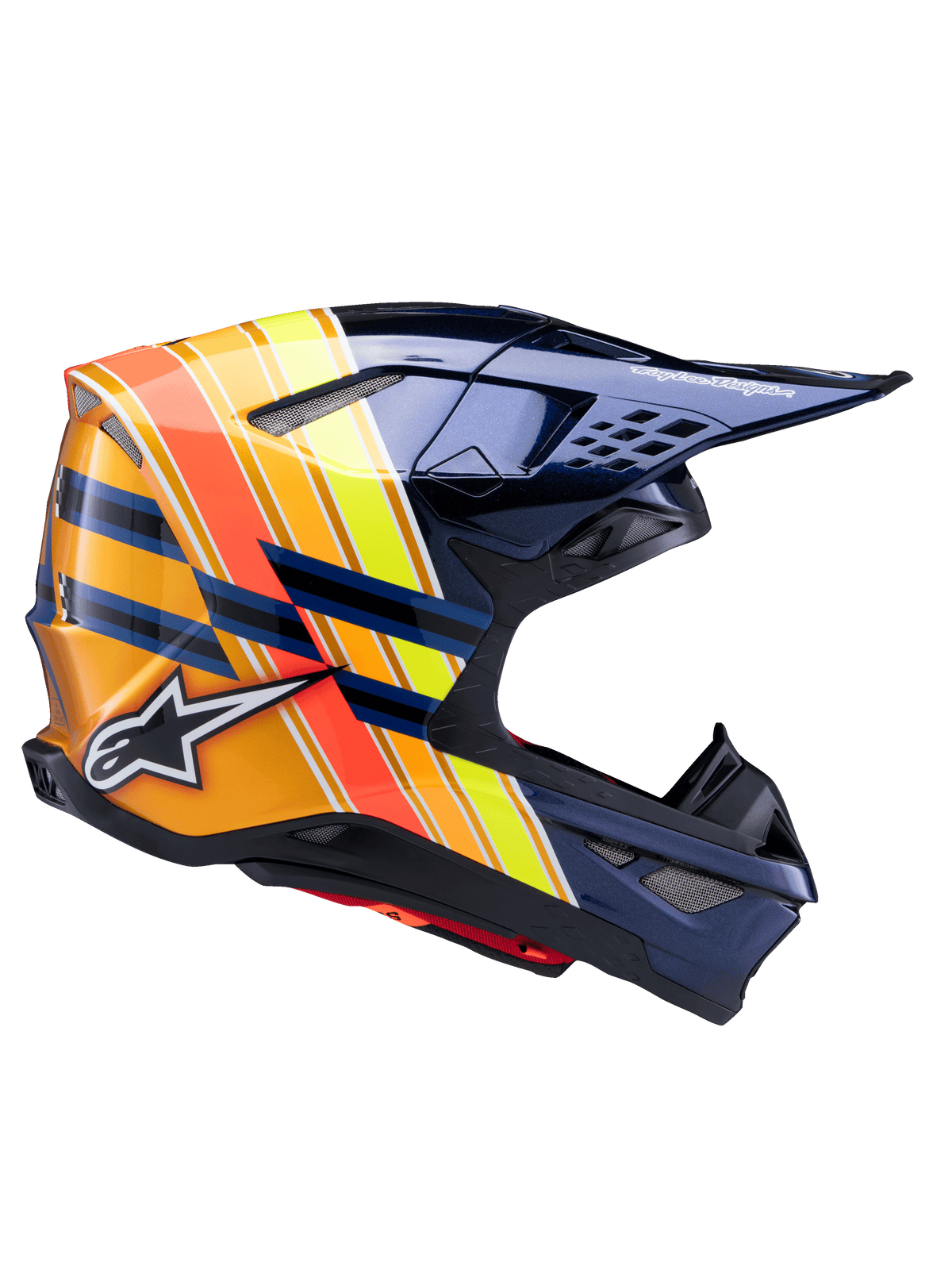
Supertech M10 TLD Edition 25 Helmet ECE 22.06 -
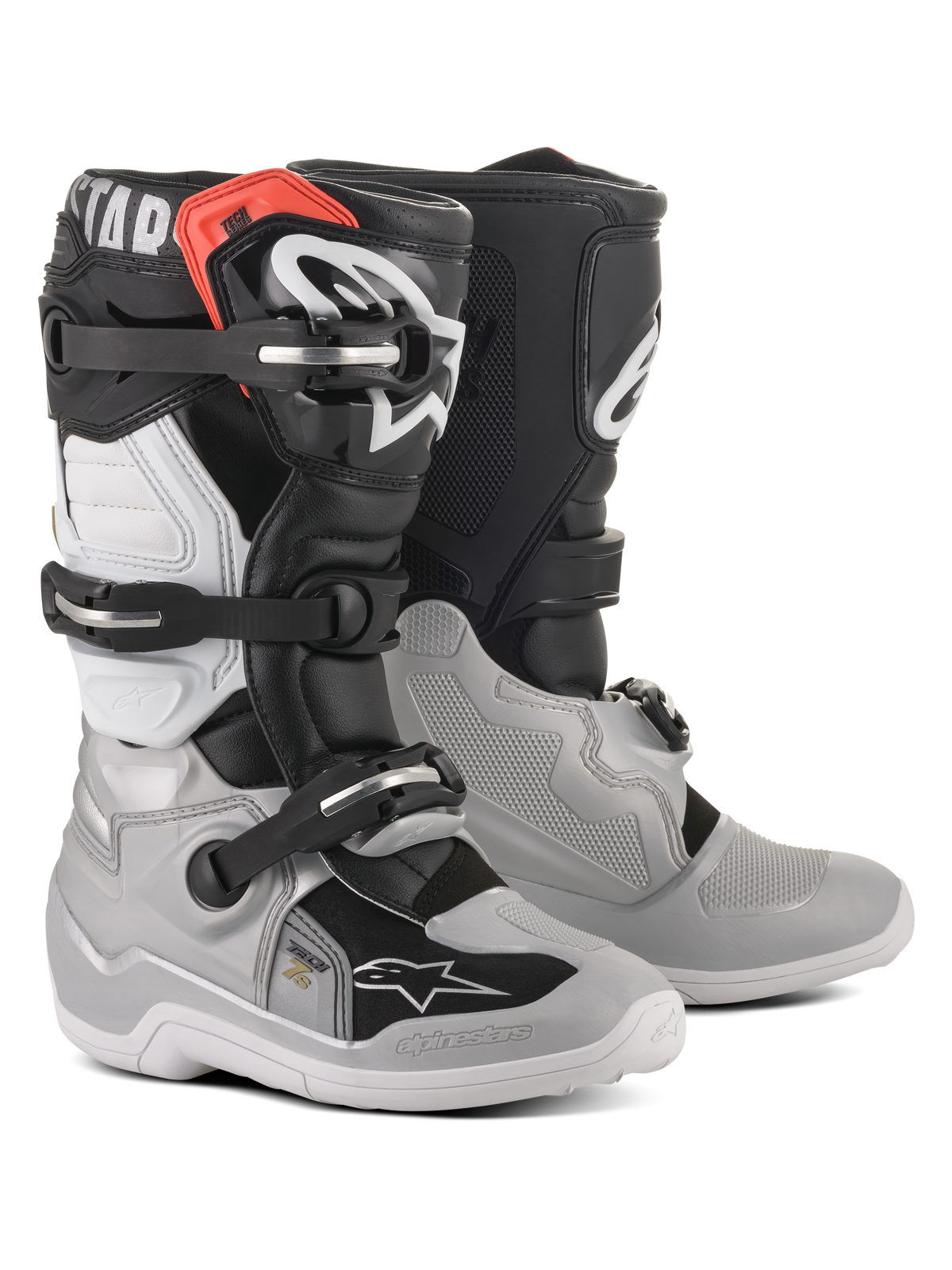
Youth Tech 7S Boots - Past Colors -
Youth MX Plus Socks -
Youth MX Plus Socks -
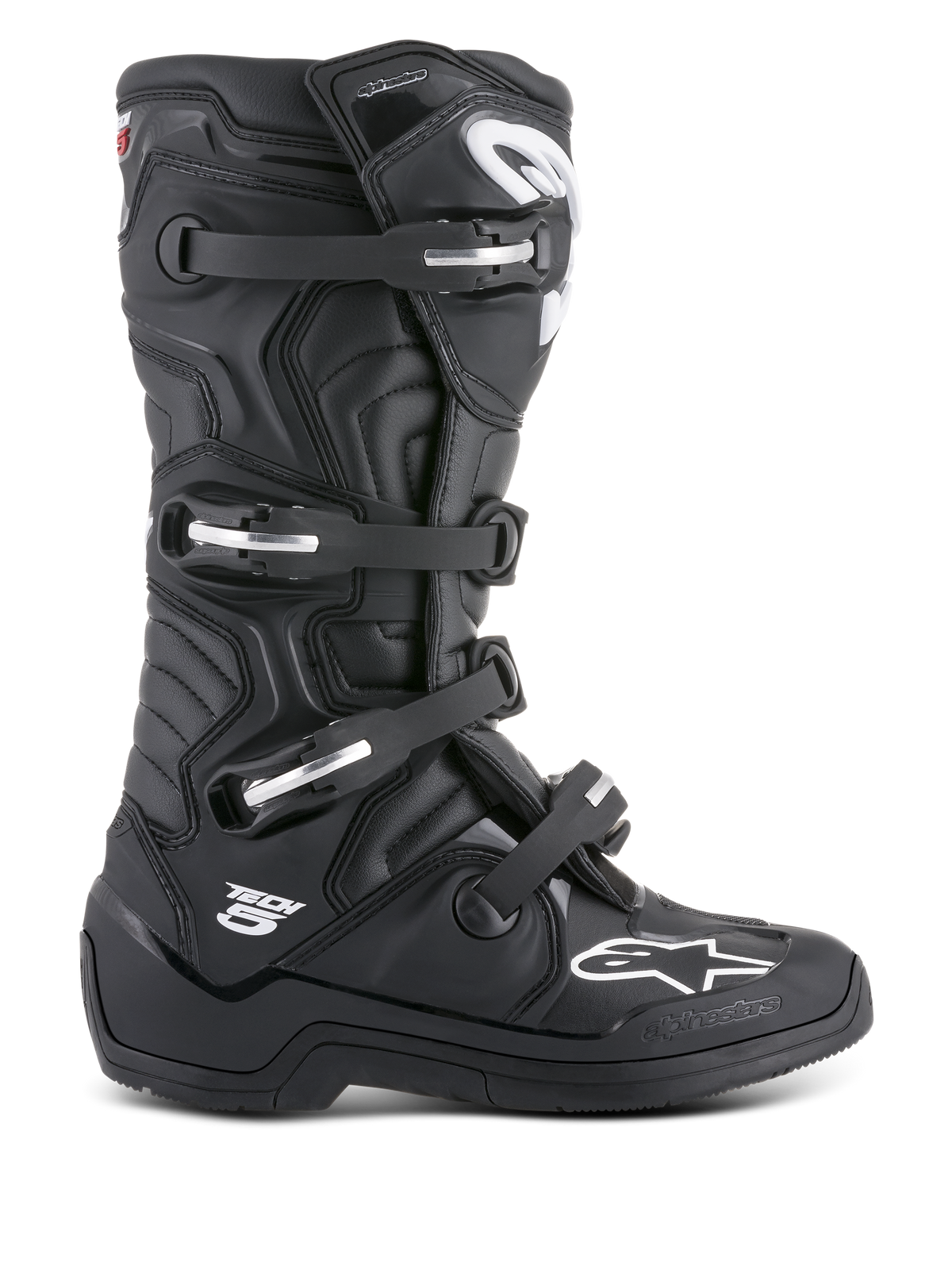
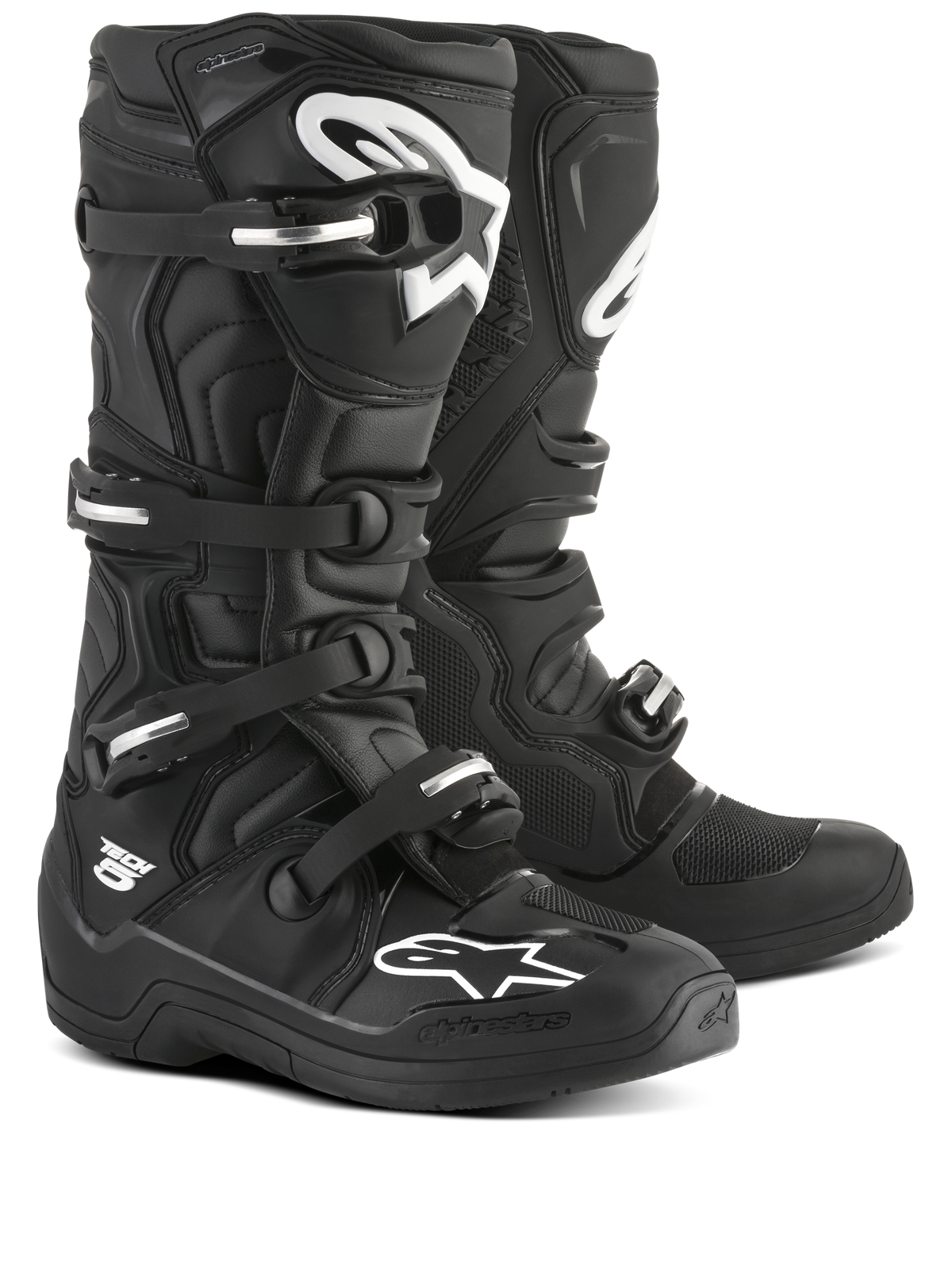
Tech 5 Boots -
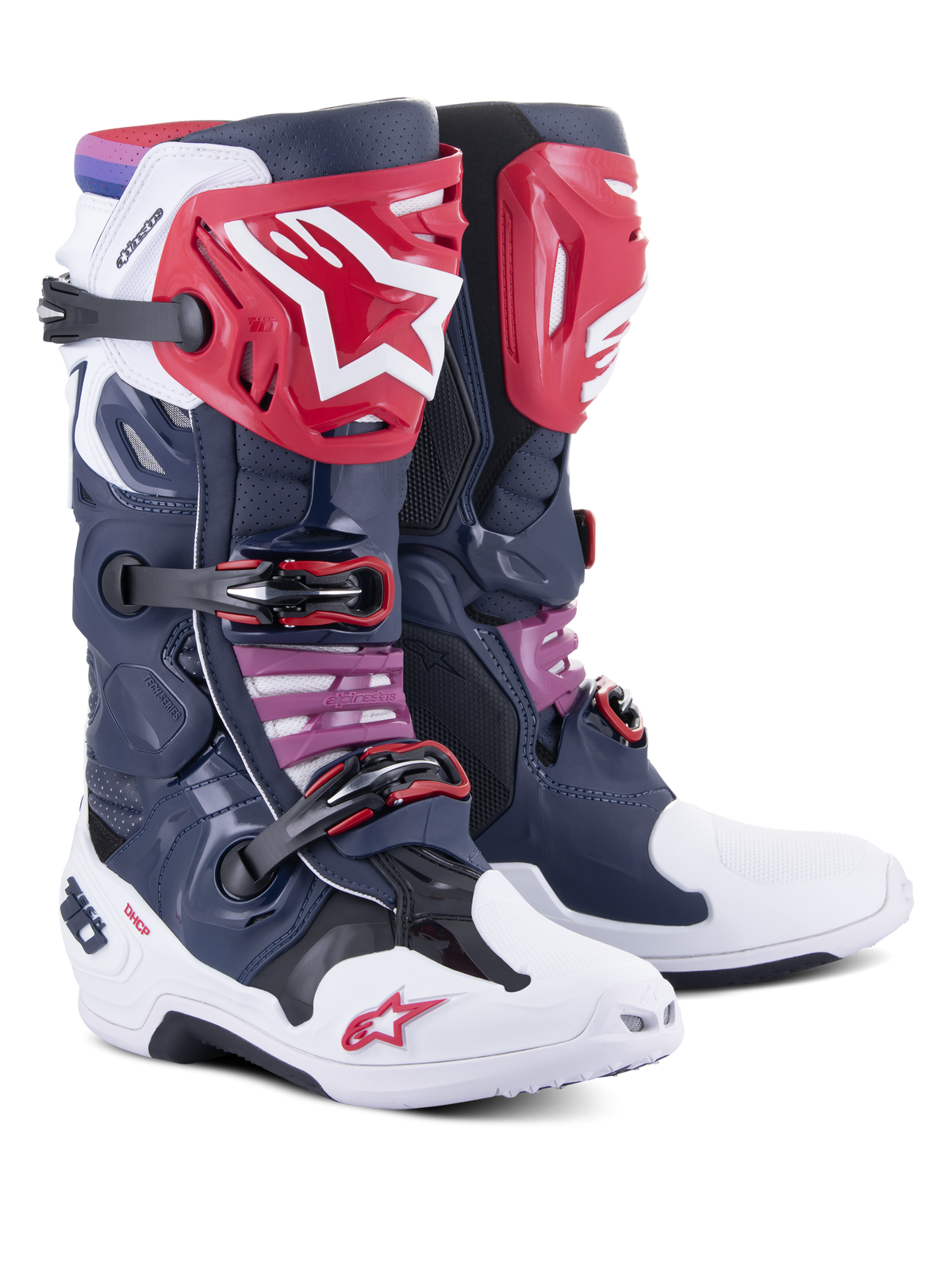
Tech 10 Supervented Boots -
S-M5 Rash Helmet ECE 22.06 -
2024 Techstar Ocuri Jersey -
Techdura Jersey -
2024 Racer Tactical Jersey -
Supertech M10 Aeon Helmet ECE 22.06 -
2026 Kids Racer Nomur Pants -
2026 Racer Riway Pants -
S-M3 Radium Helmet ECE 22.06 -
2026 Stella Techstar Nomur Pants -
2026 Techstar Knif Pants -
Stella ST-2 Air Jacket -
Supertech Mirror Lens -
Vision 5 Corp Goggles -
Vision Youth 8-5-3 Tear Off -
Vision Youth Lens -
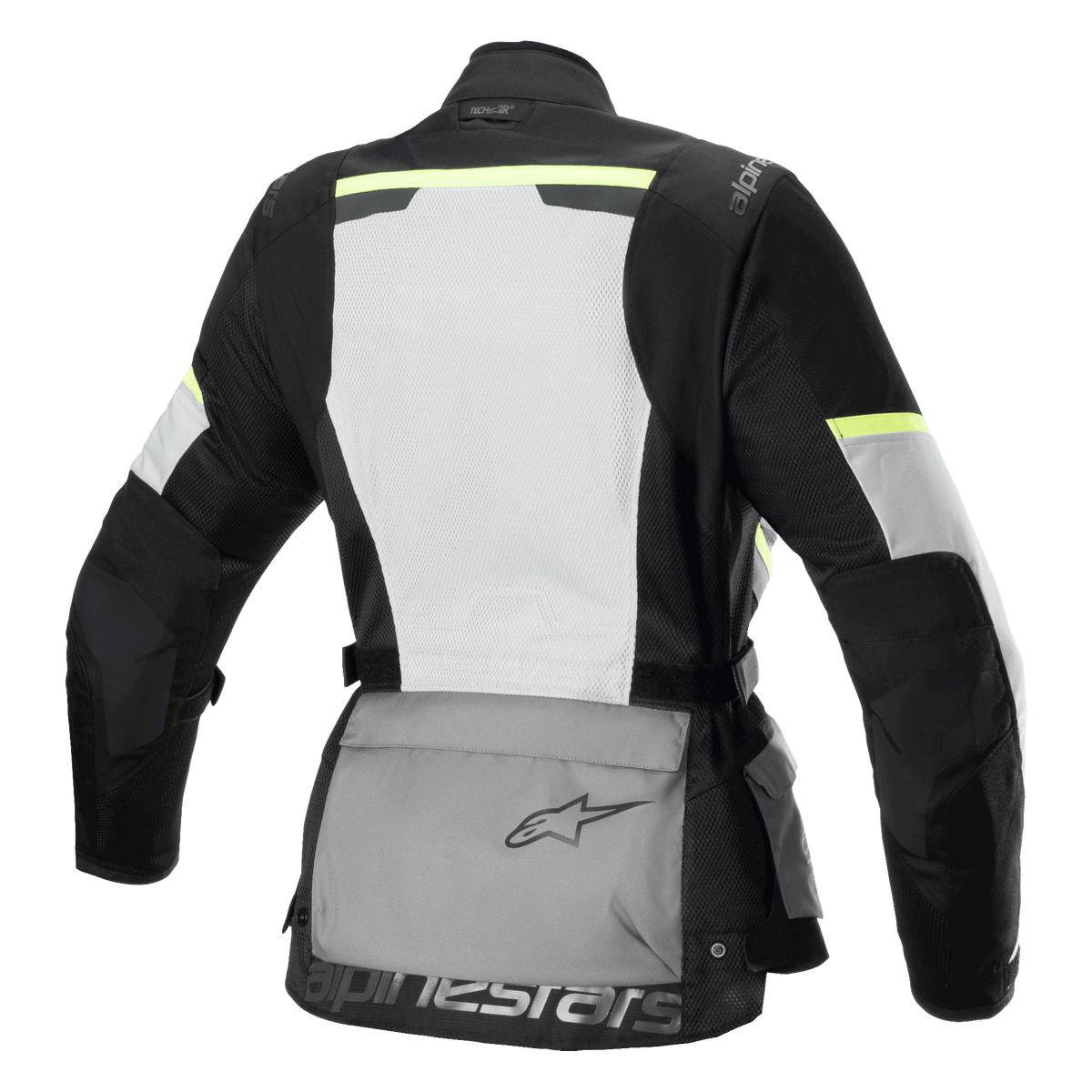
Stella Andes Air Drystar® Jacket -
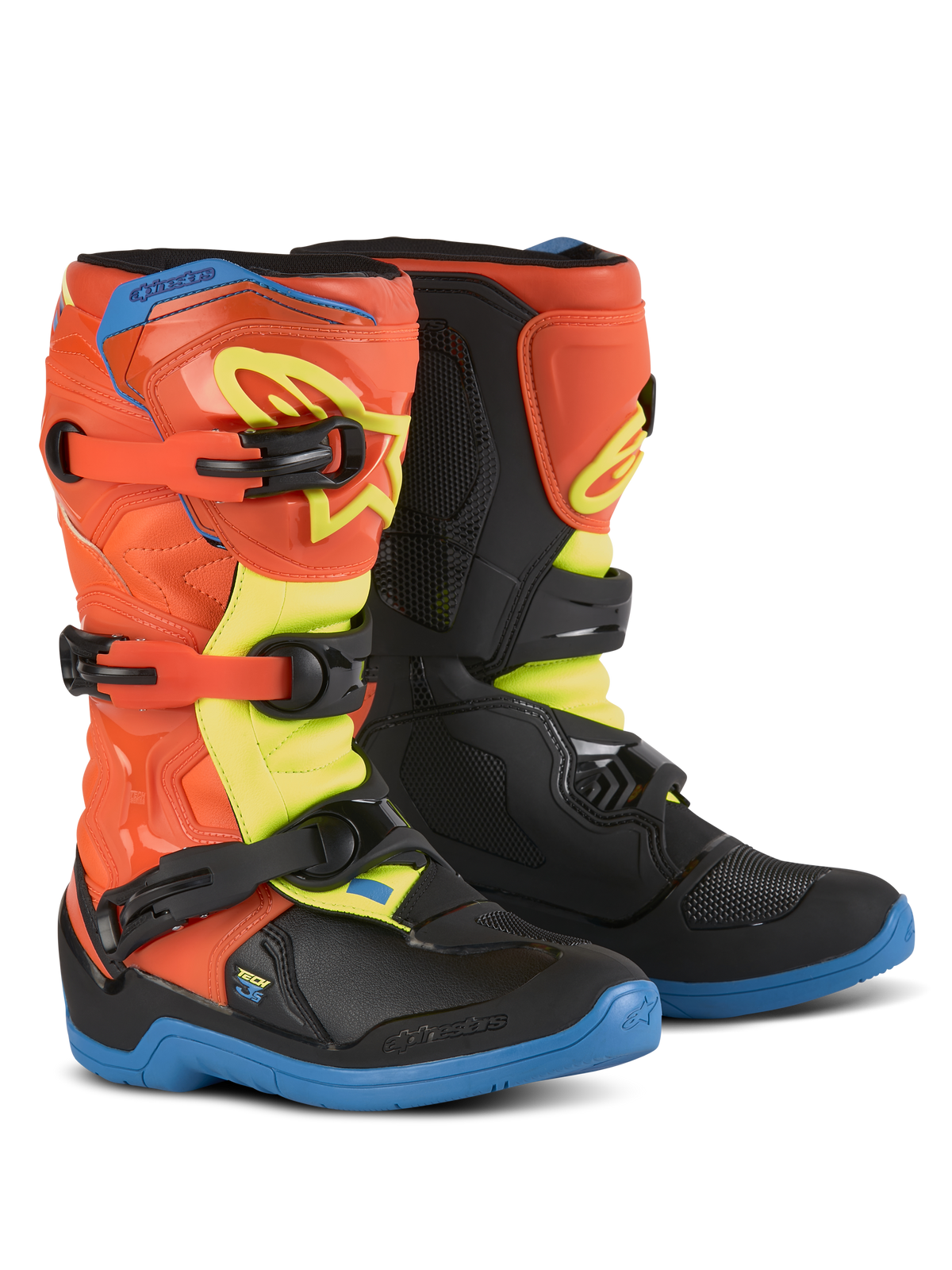
Youth Tech 3S Boots -
Youth Tech 3S Boots -
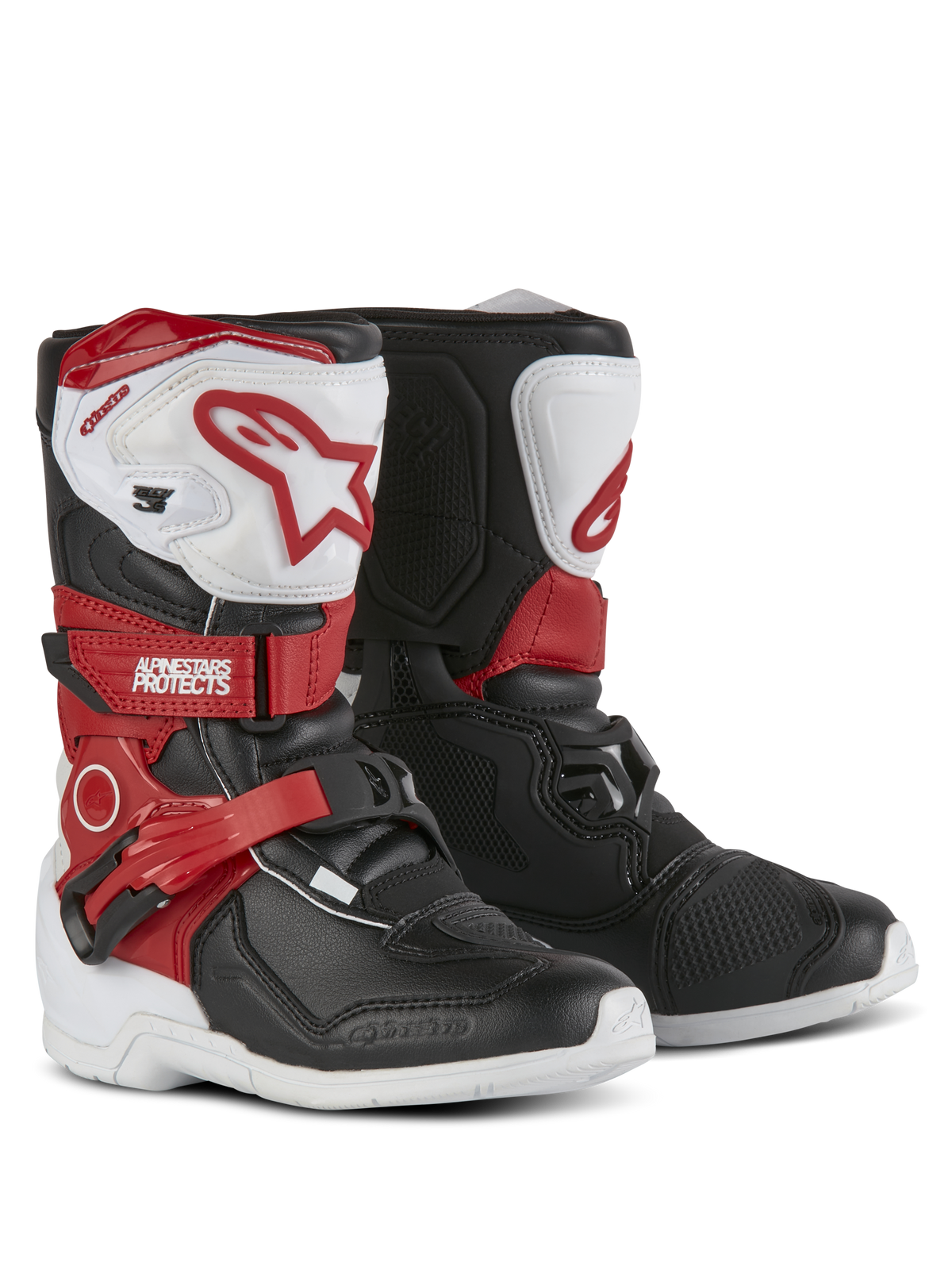
Kids Tech 3S Boots -
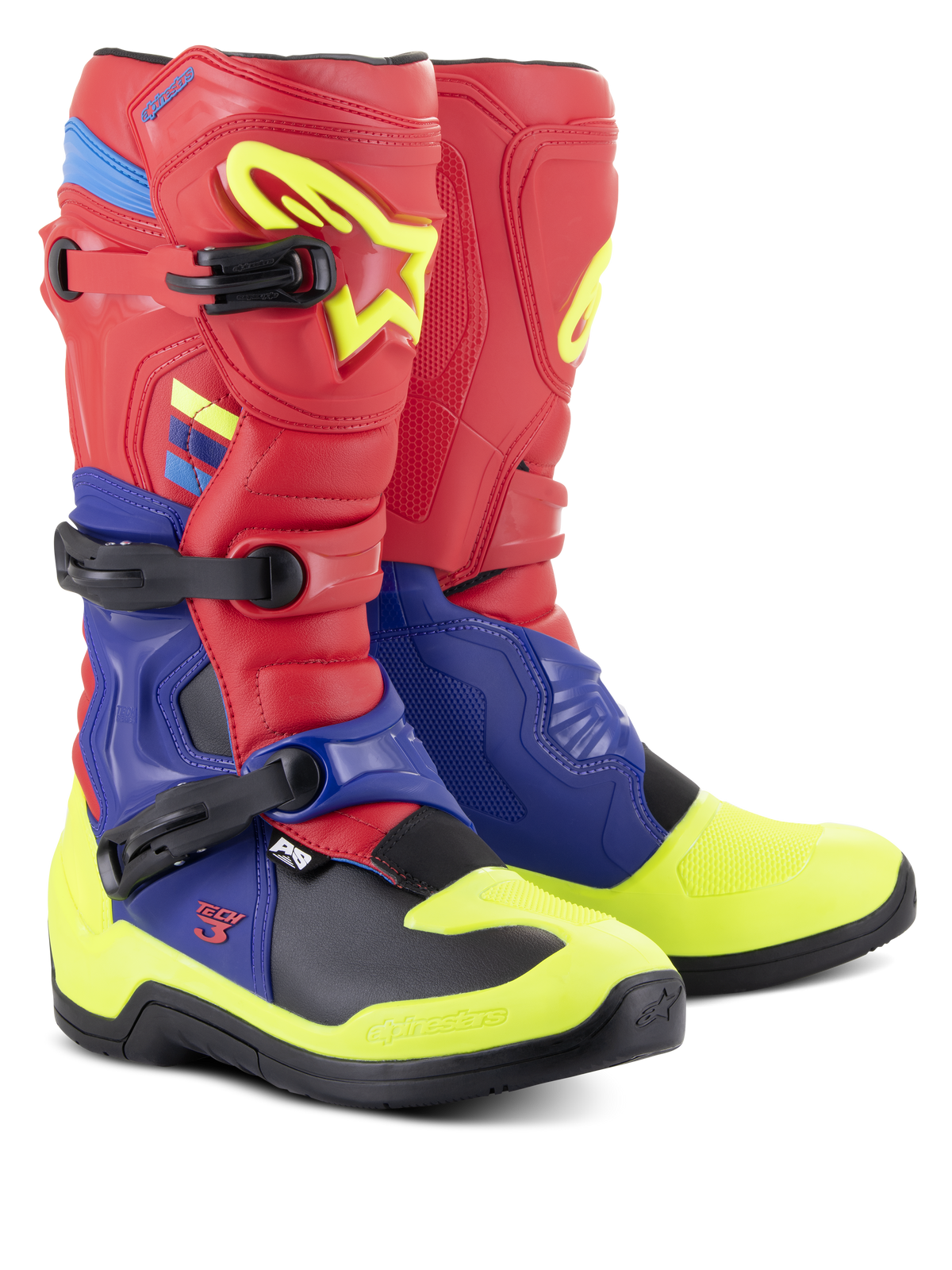
Tech 3 Boots -
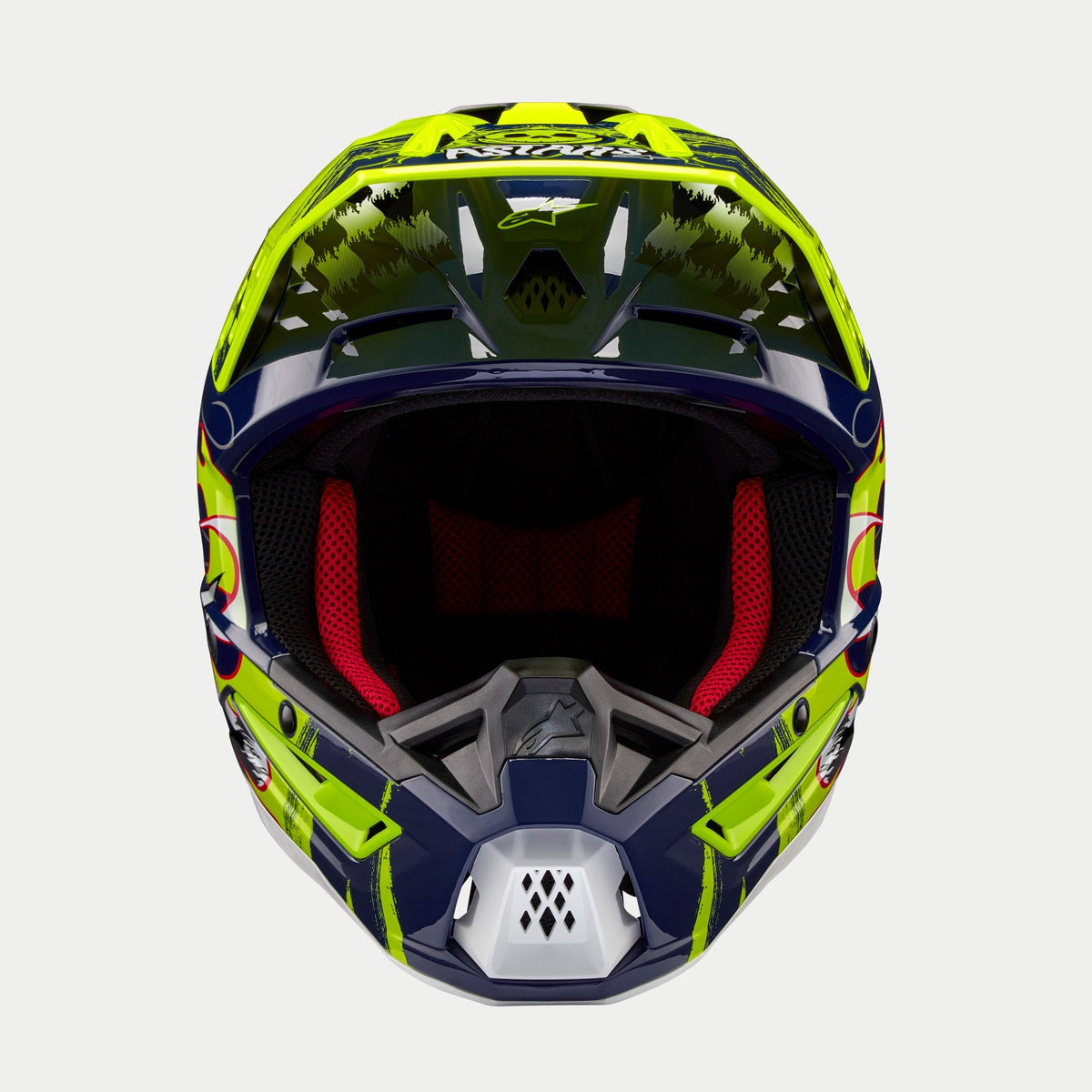
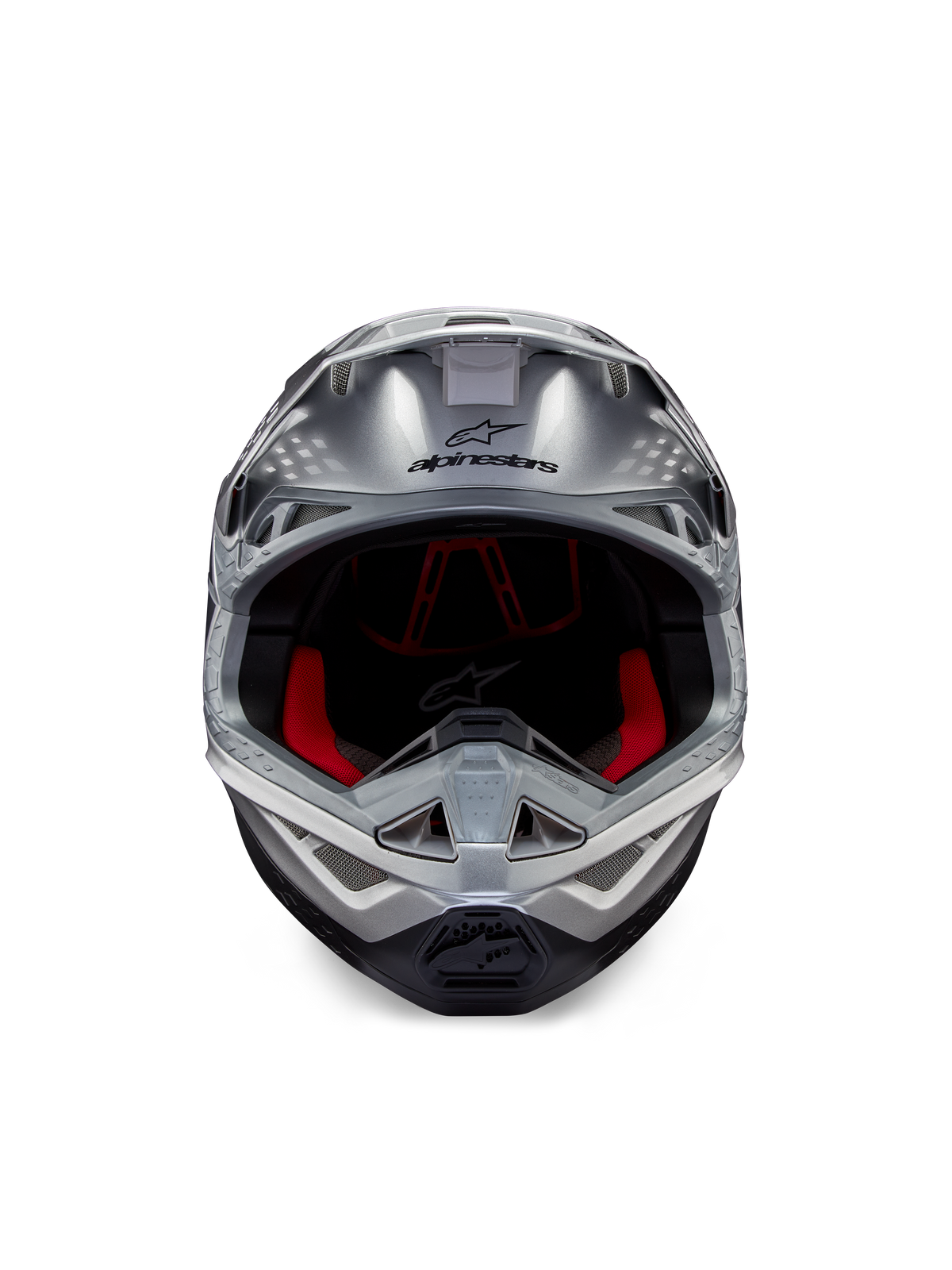
Supertech M10 Flood Helmet ECE 22.06



























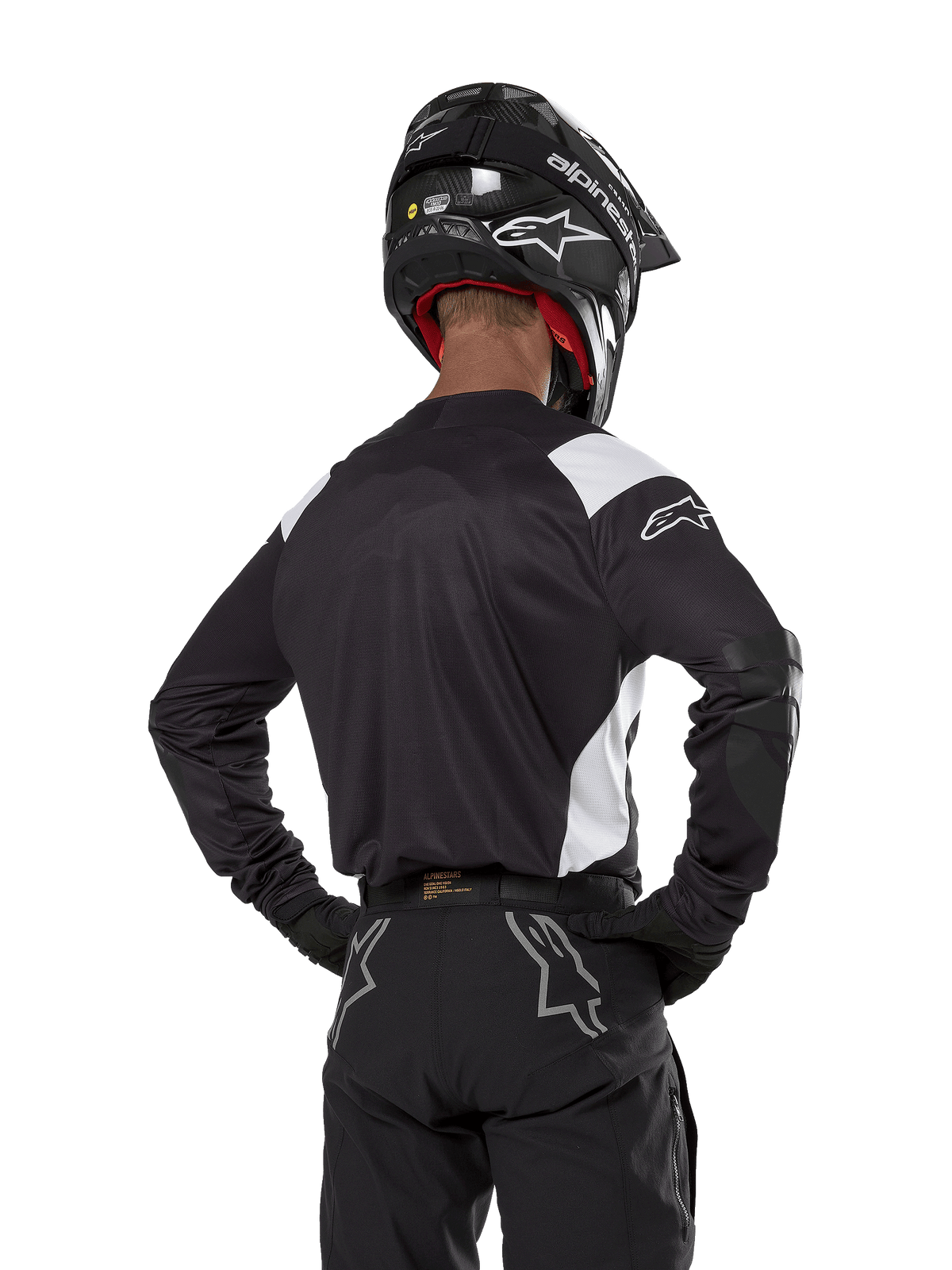


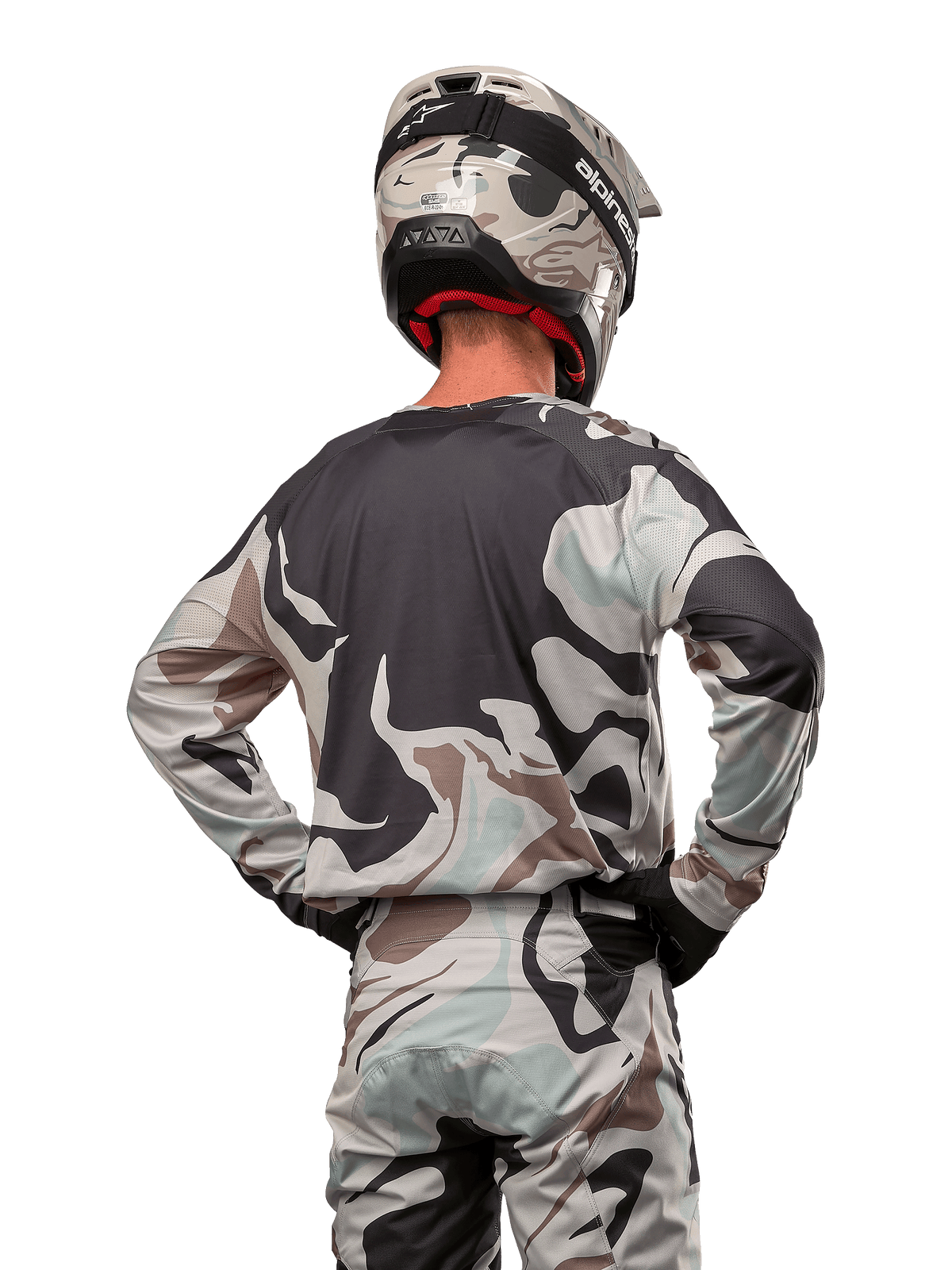


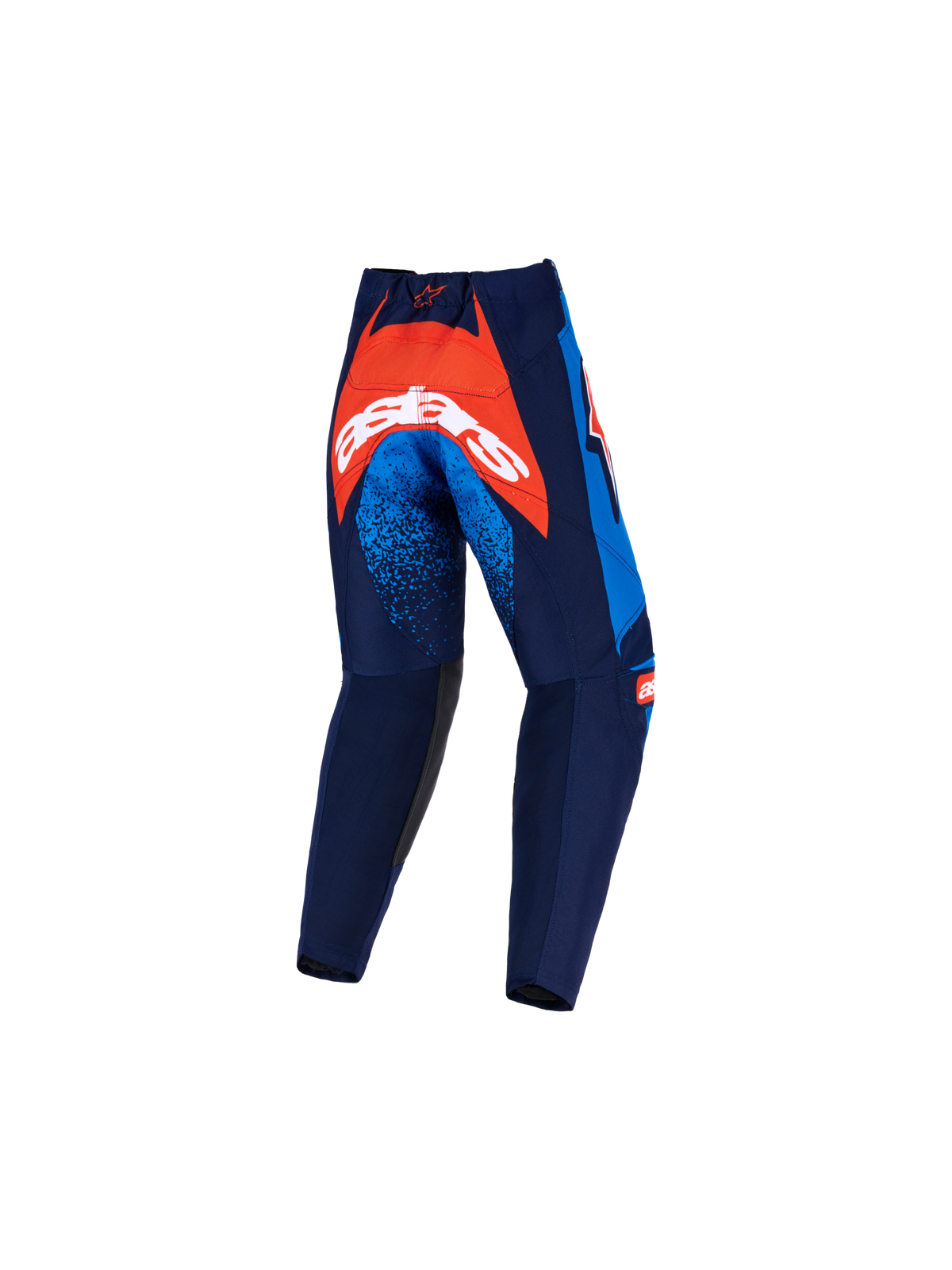


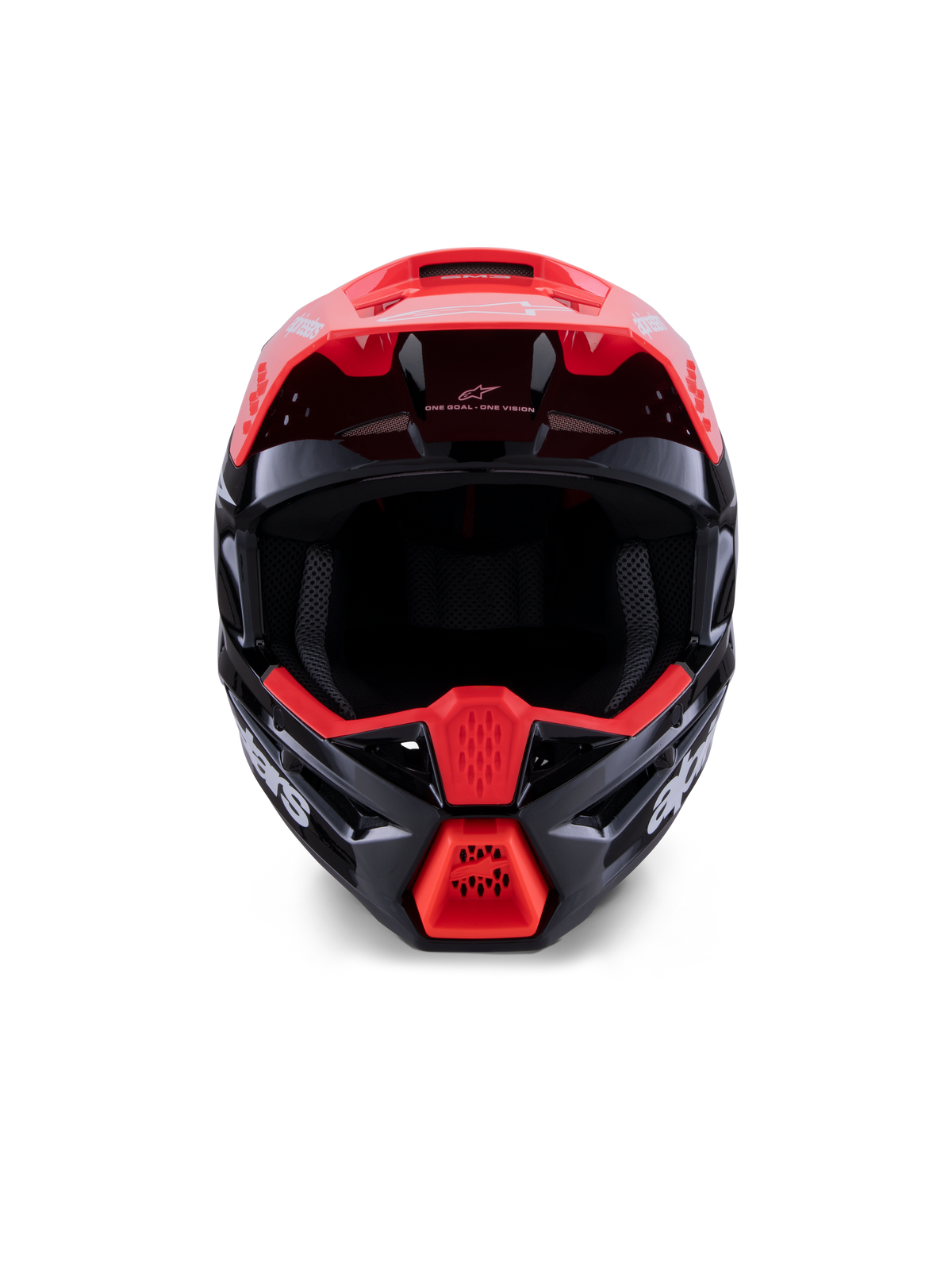



















Frequently asked questions Hide FAQs
What types of gear are included in the off-road collection?
The off-road collection encompasses comprehensive protection equipment designed for motocross, enduro, and adventure riding disciplines. This includes MX boots engineered for impact resistance and ankle support, chest protectors and body armor systems, off-road helmets with advanced ventilation, gloves with knuckle protection, jerseys and pants constructed from abrasion-resistant materials, knee and elbow guards, neck braces, and goggles with tear-off systems. The collection also features Tech-Air® off-road airbag systems and technical base layers designed to work together as complete protection ecosystems for dirt riding environments.
How does off-road gear differ from street motorcycle gear?
Off-road gear is specifically engineered for the unique demands of dirt riding, which differs significantly from street applications. Off-road equipment prioritizes ventilation and flexibility over abrasion resistance, as dirt riders face different crash dynamics and environmental conditions. MX boots feature reinforced ankle protection and motocross-specific sole designs rather than street-oriented shift pads. Off-road helmets include extended chin bars, superior ventilation systems, and goggle integration instead of face shields. Body armor is designed to be worn over jerseys rather than integrated into jackets, allowing maximum airflow and range of motion needed for standing riding positions and aggressive body movements on varied terrain.
What safety certifications should I look for in off-road protection gear?
Off-road protection gear should meet specific CE certification standards appropriate to each product category. Look for CE Level 1 or Level 2 certification on back protectors, chest protectors, and body armor, with Level 2 offering higher impact absorption. Knee and elbow guards should carry CE certification for limb protectors. Off-road helmets must meet DOT, ECE 22.06, or FIM homologation standards depending on your riding discipline and competition requirements. Tech-Air® off-road airbag systems feature advanced AI-powered crash detection and meet the highest protection standards for professional and recreational riders. Alpinestars off-road gear is developed through championship-level racing validation across MotoGP, Motocross, and Enduro disciplines.
Can off-road gear be used for adventure touring and dual-sport riding?
Yes, off-road gear is well-suited for adventure touring and dual-sport riding, particularly when off-pavement riding dominates your route. Many adventure riders choose MX boots for superior ankle protection on technical terrain, off-road helmets for better ventilation in remote areas, and modular protection systems that adapt to changing conditions. However, consider your riding balance—if you spend significant time on pavement, hybrid adventure-specific gear from our adventure motorcycle collection may offer better versatility. Off-road gear excels in standing riding positions, extreme weather ventilation, and impact protection for varied terrain, making it ideal for riders prioritizing dirt performance over street-oriented features.
How do I care for and maintain off-road riding gear?
Off-road gear requires regular maintenance due to exposure to dirt, mud, and harsh conditions. Remove excess dirt and mud immediately after riding using a soft brush or compressed air before it dries. Most jerseys, pants, and base layers can be machine washed in cold water on gentle cycles—avoid hot water and harsh detergents that degrade technical fabrics. Boots should be cleaned with mild soap and water, then air-dried away from direct heat sources; treat leather components with appropriate conditioners. Body armor and protection should be wiped clean with damp cloths and allowed to air dry completely. Store gear in cool, dry locations away from direct sunlight. Regularly inspect boots for sole separation, check armor for cracks or degradation, and examine helmet shells and liners for impact damage. Replace any compromised protection components immediately to maintain safety standards.