52 results
-
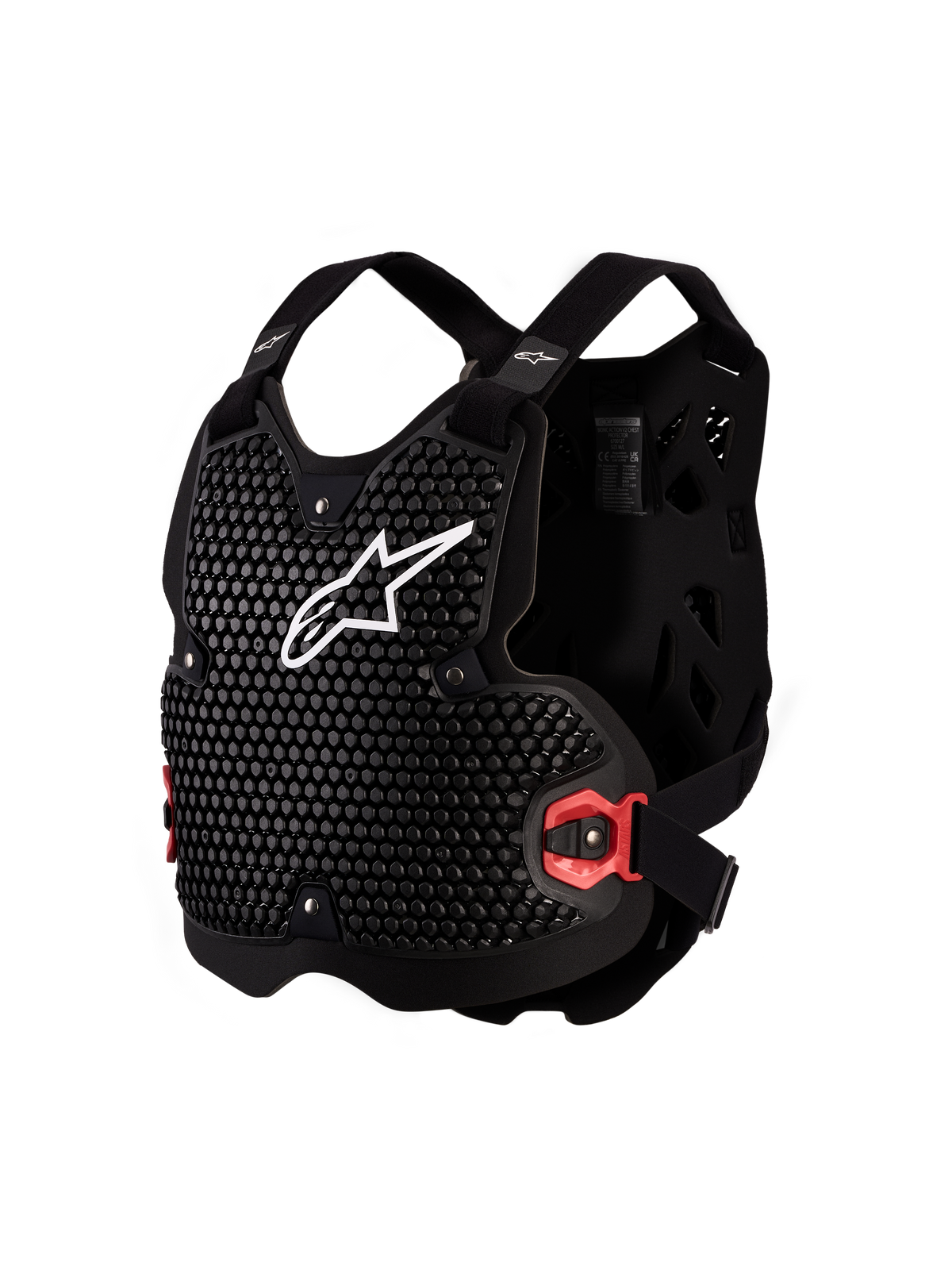
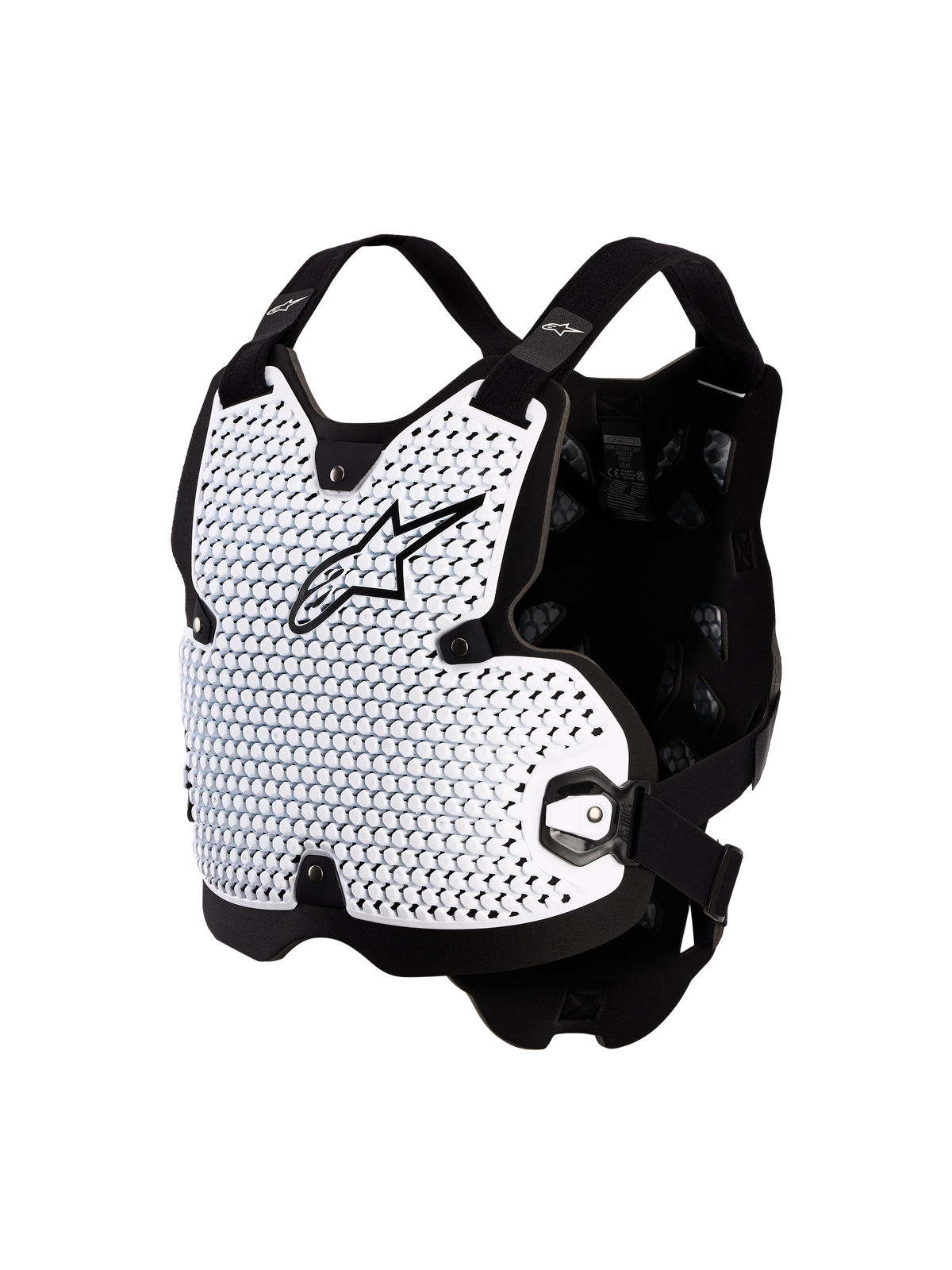
Bionic Action V2 Chest Protector -
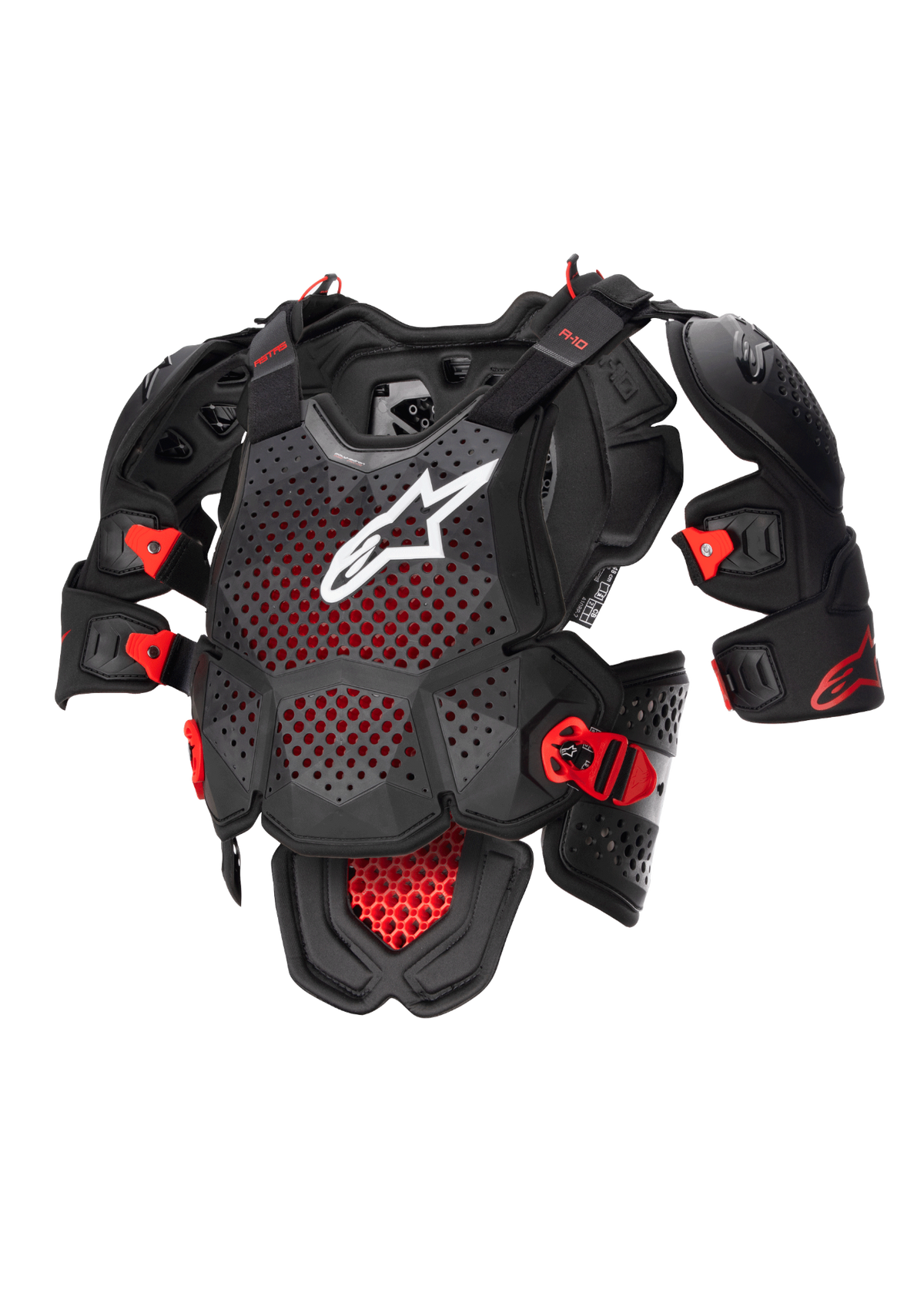
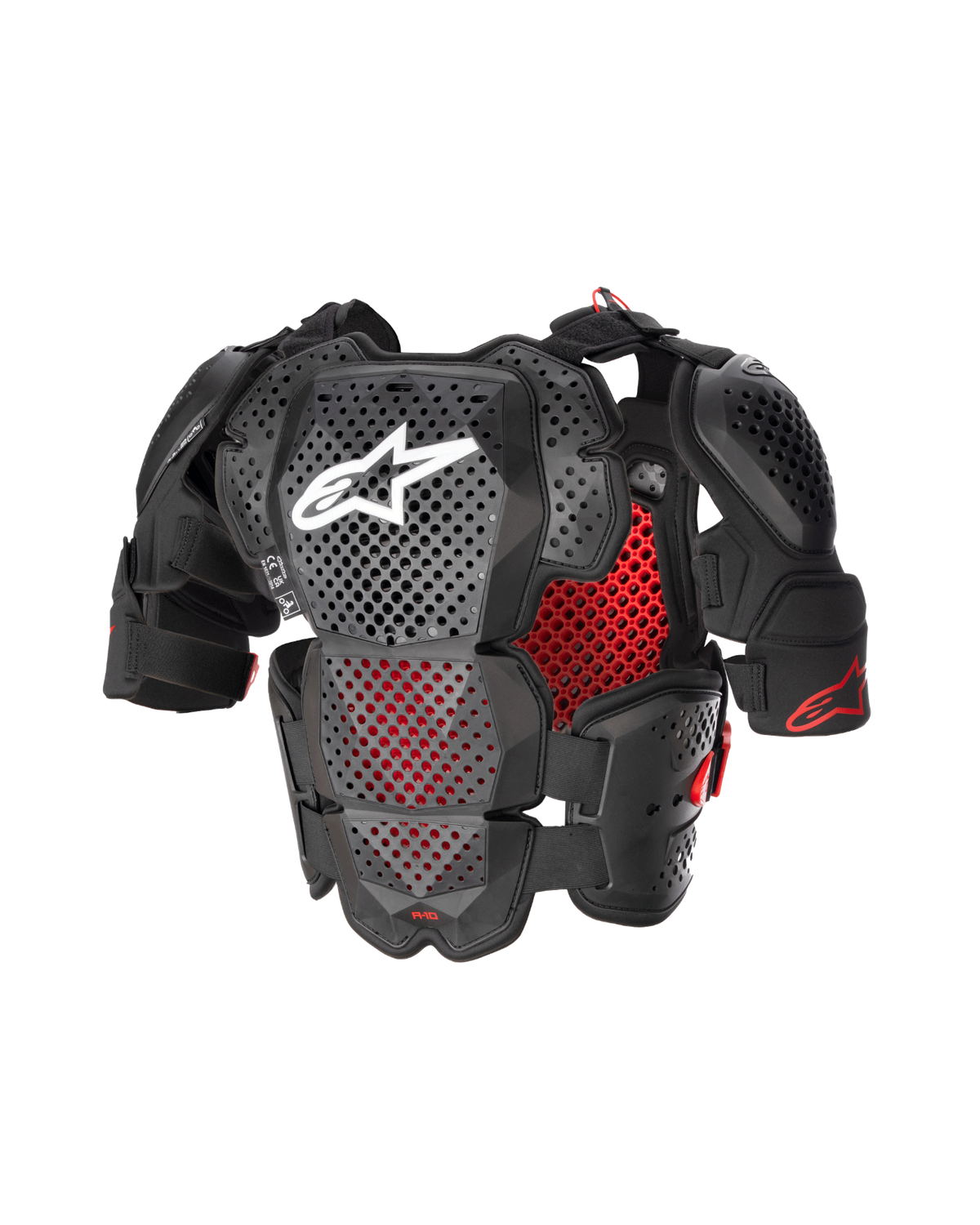
A-10 V2 Full Chest Protector -
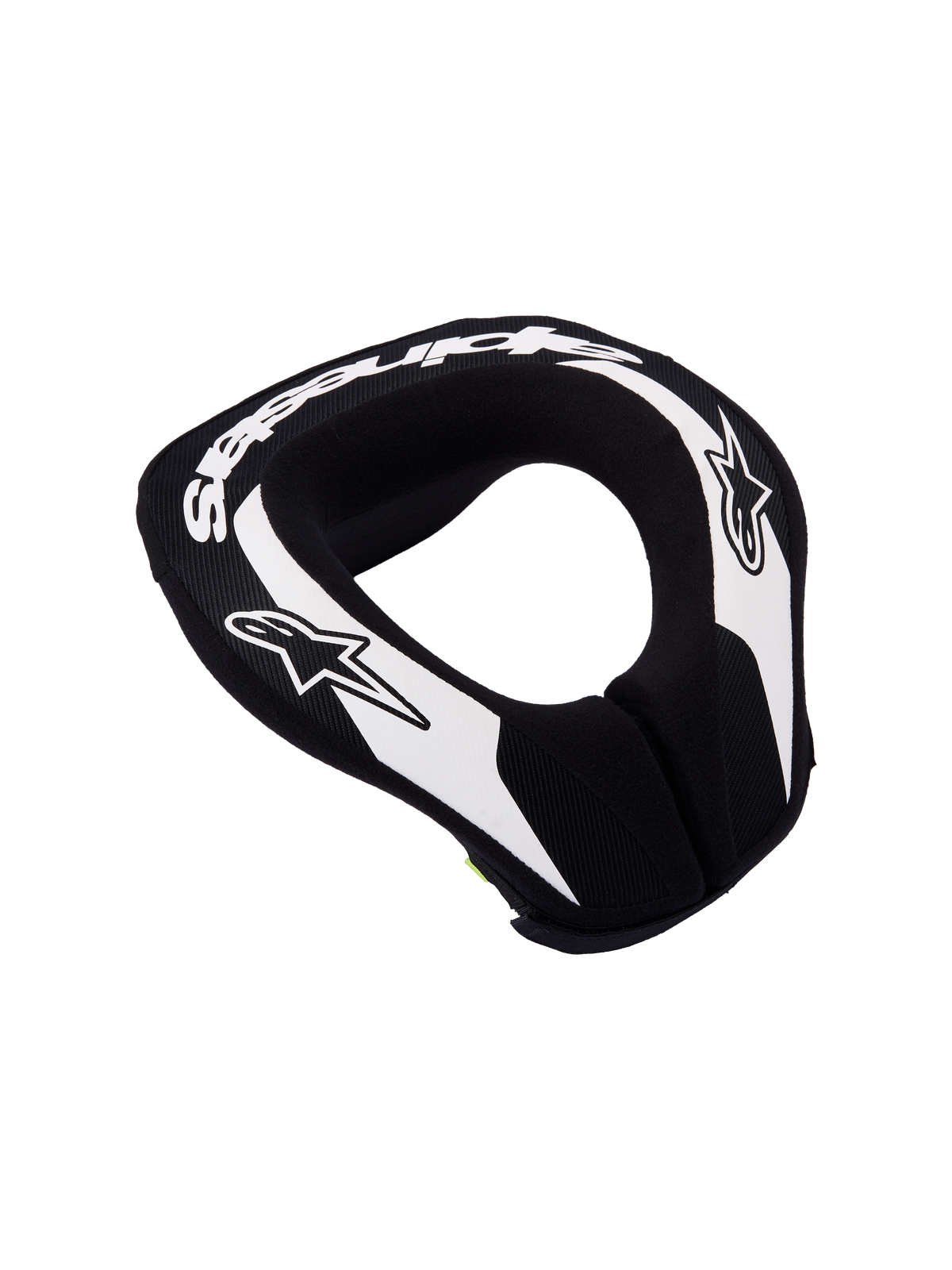
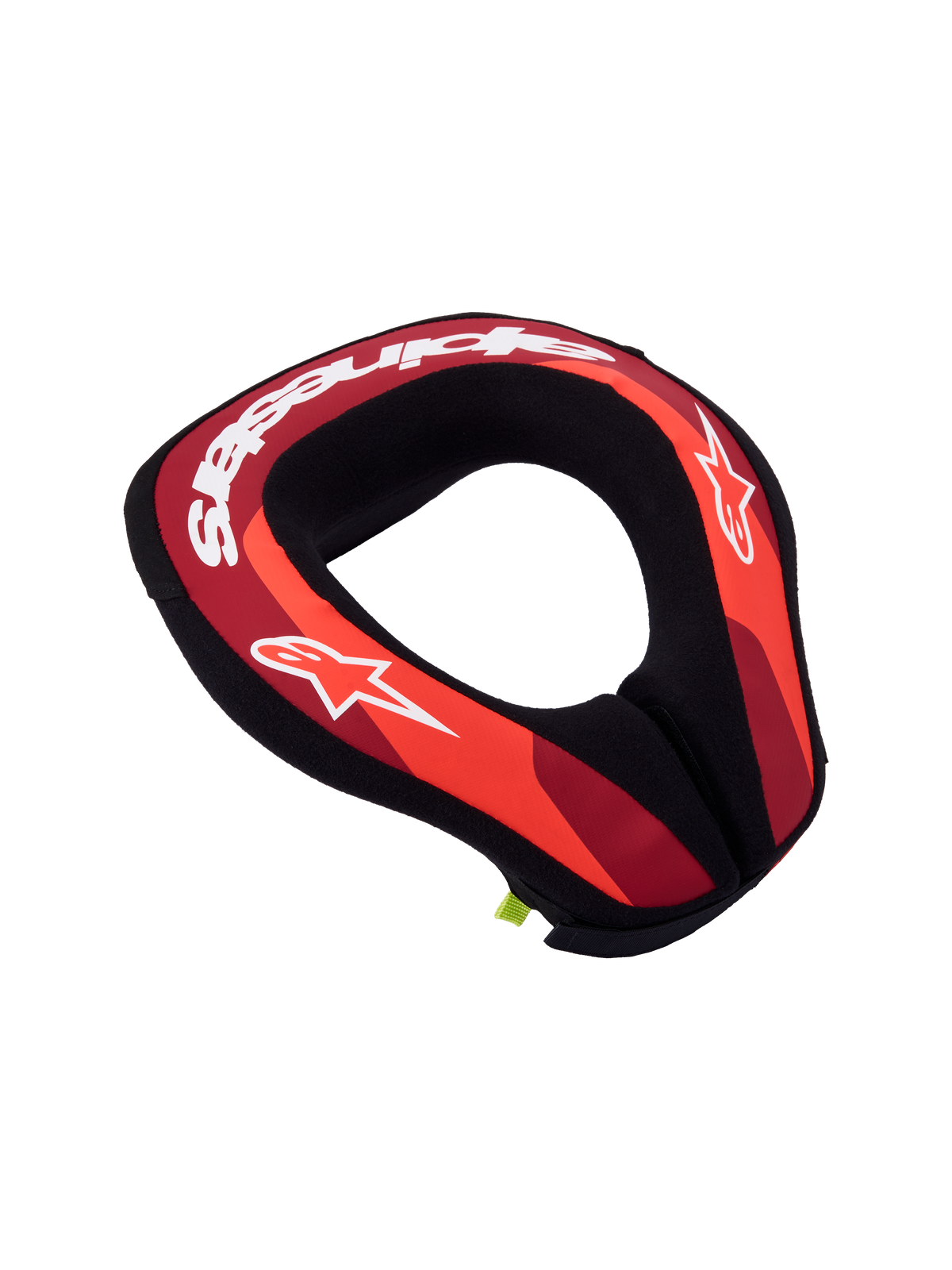
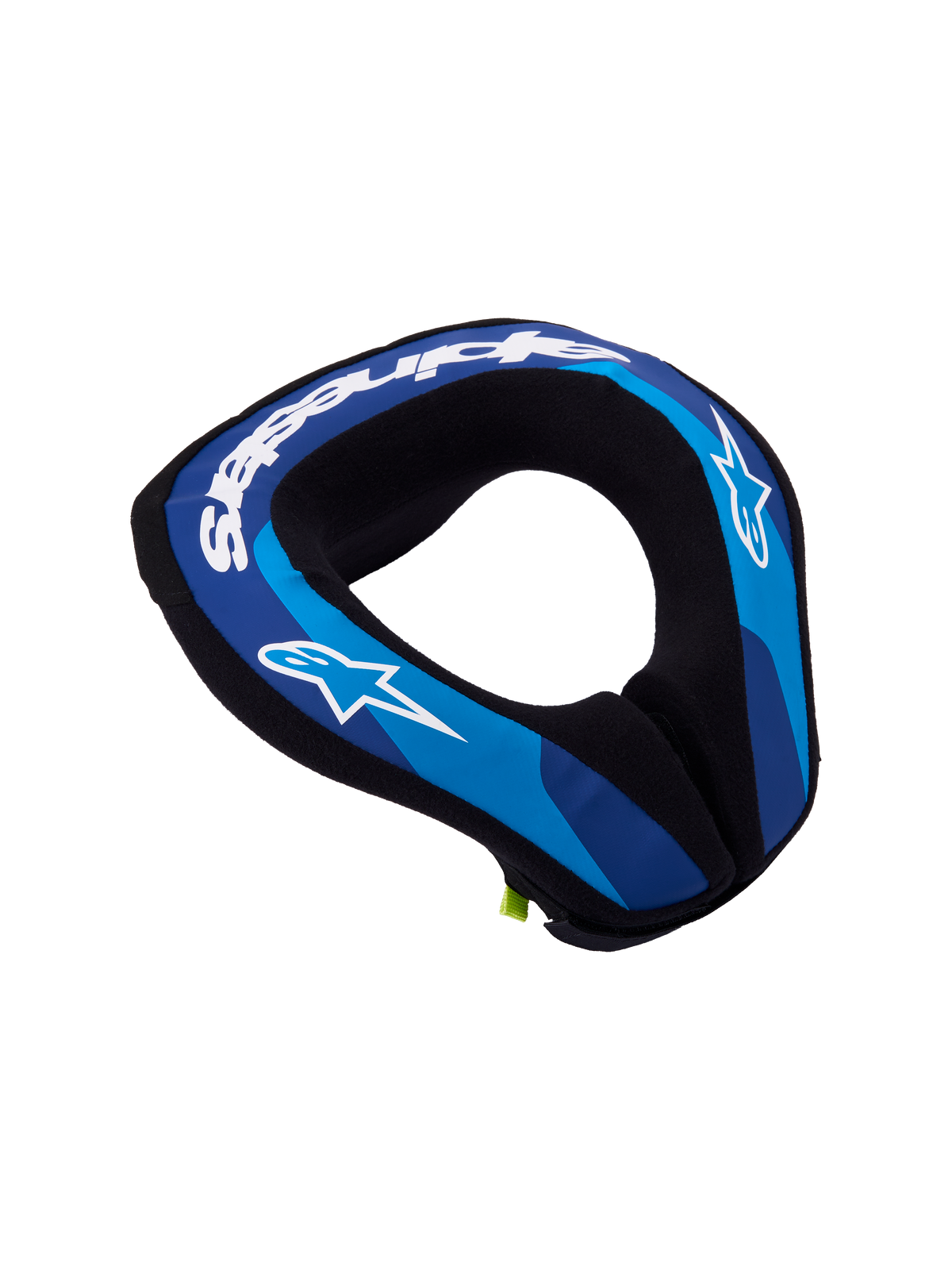
Youth Sequence Neck Roll -
Bionic Action V2 Chest Protector -
Youth Sequence Neck Roll -
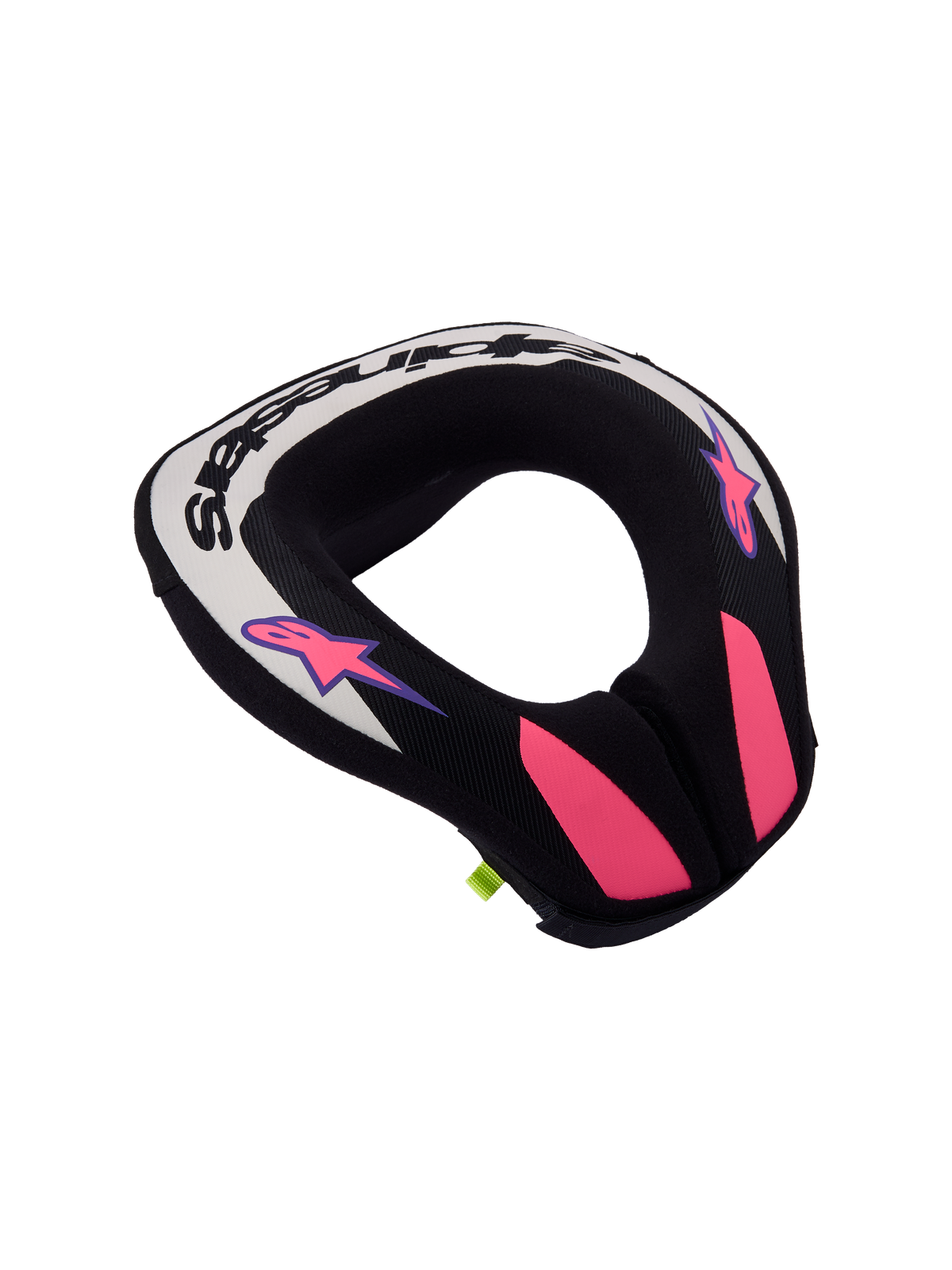
Youth Sequence Neck Roll -
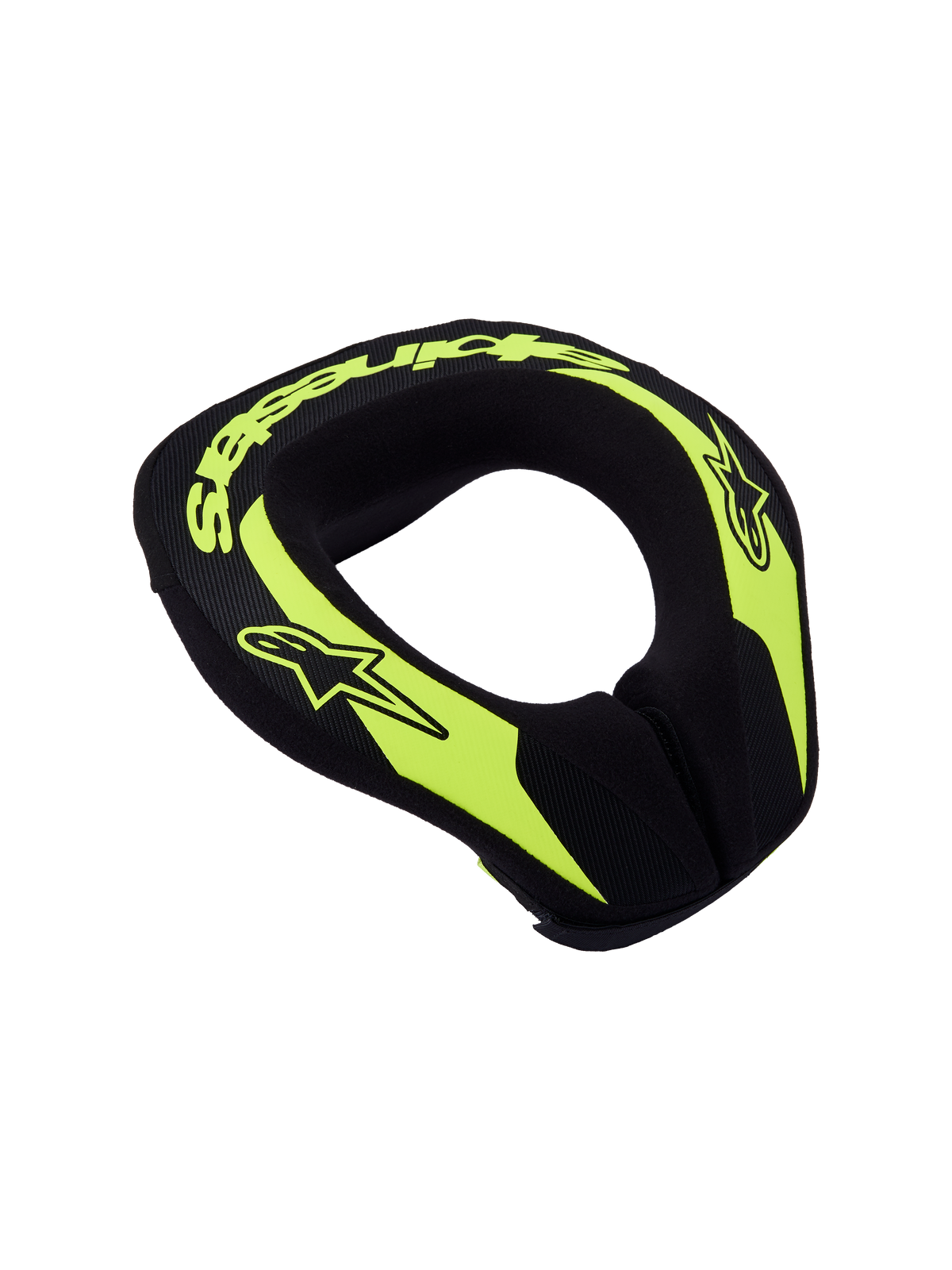
Youth Sequence Neck Roll -
Youth Sequence Neck Roll -
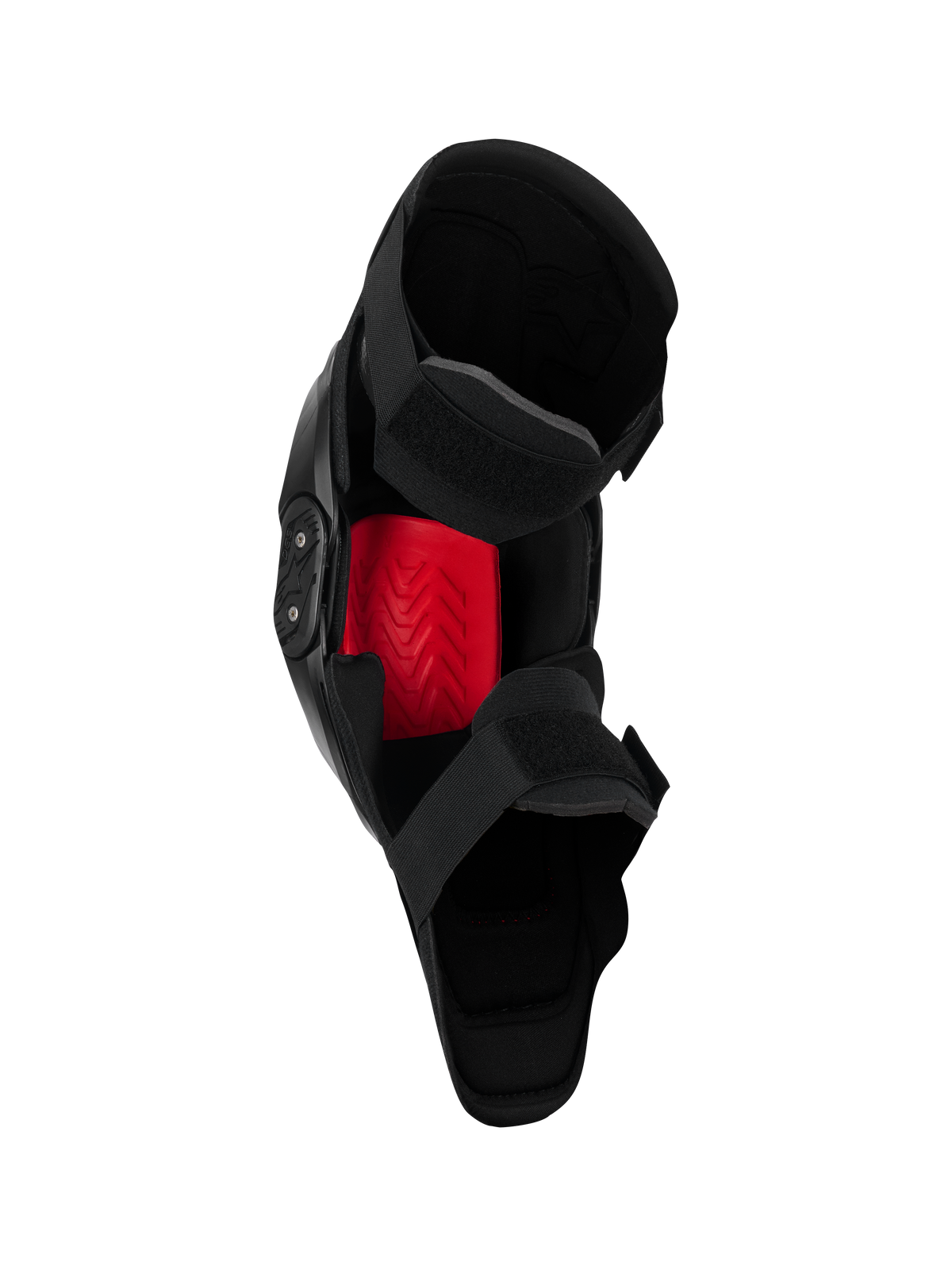
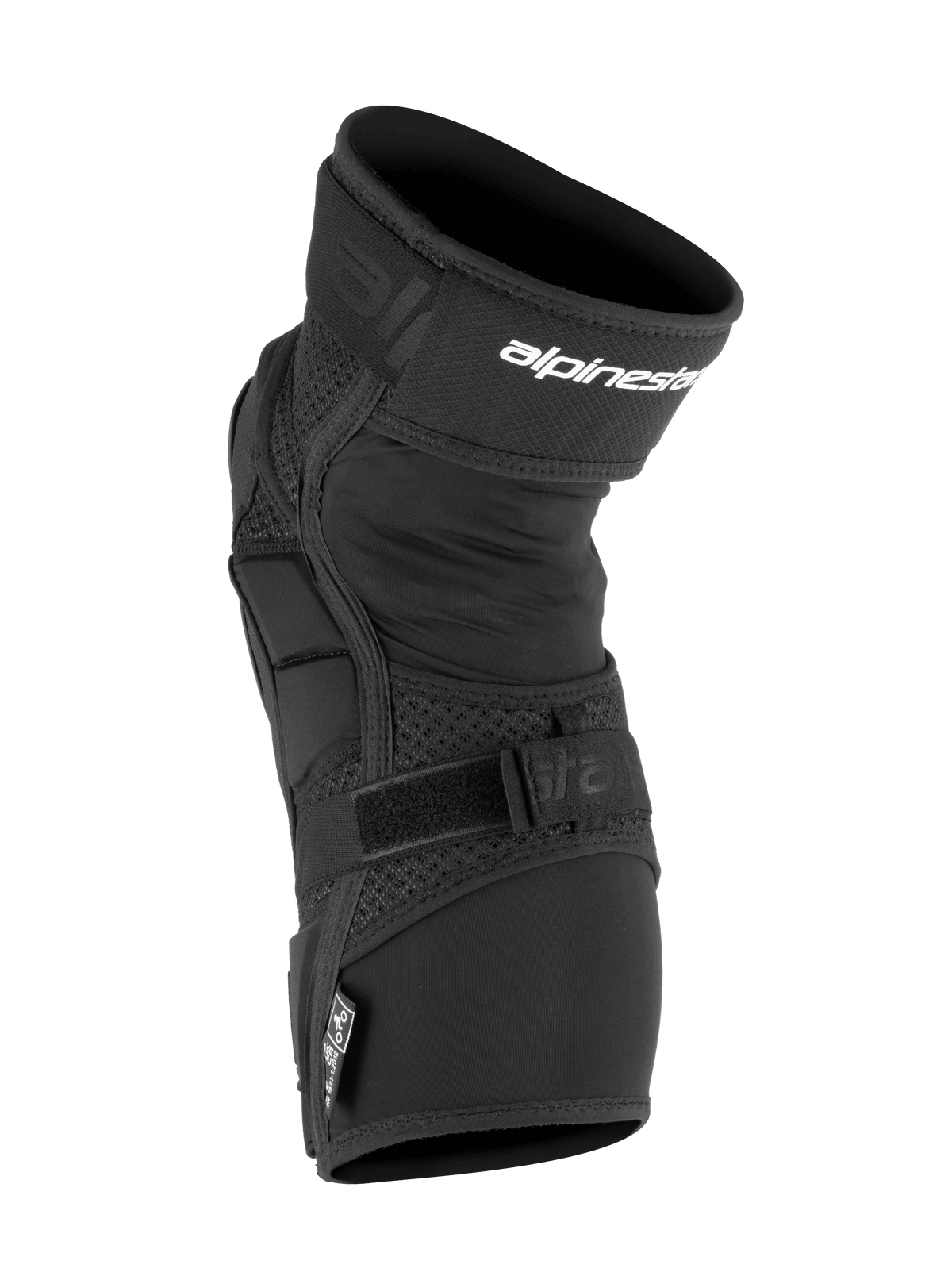
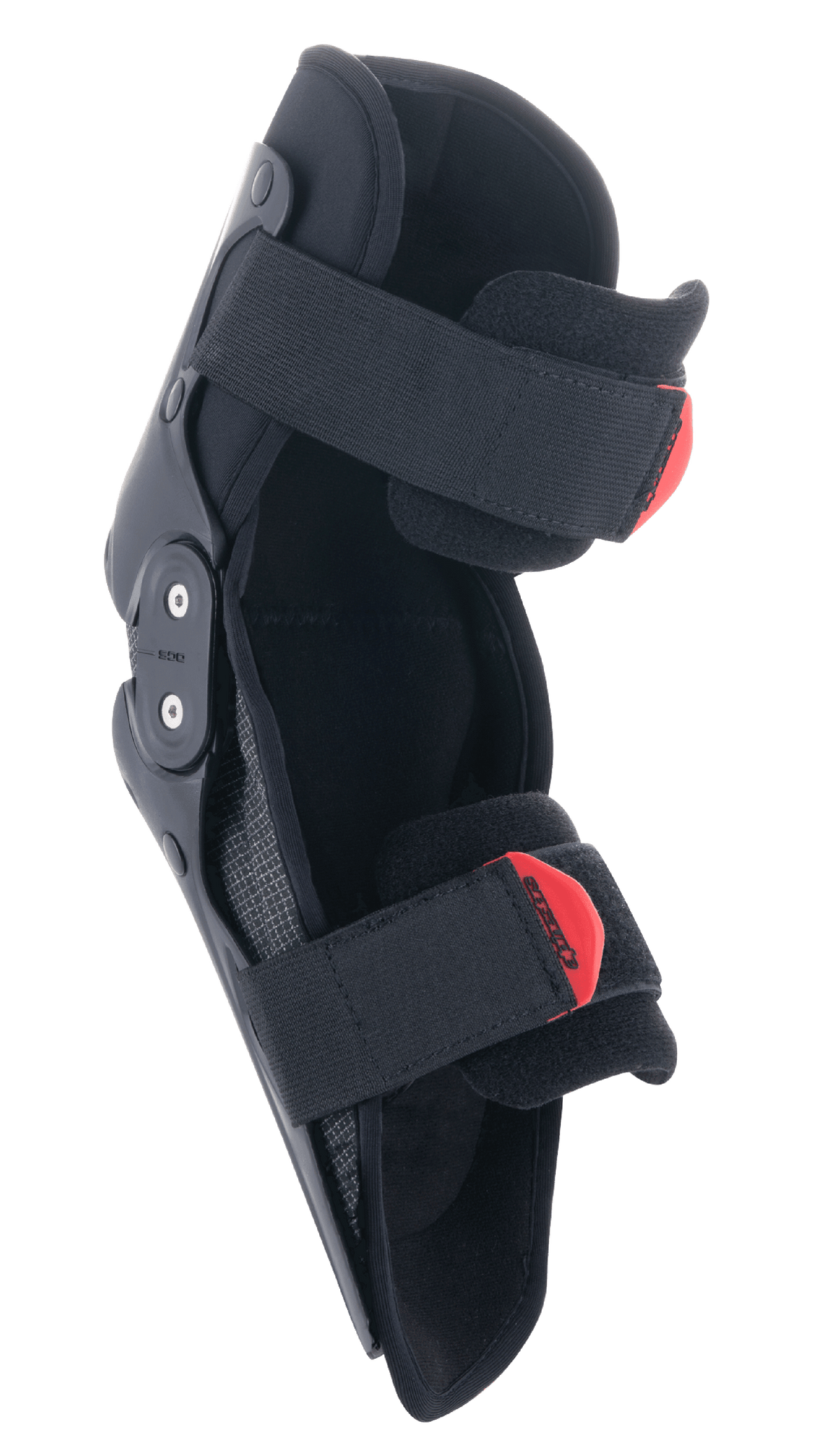
SX-1 Plasma Knee Protector -
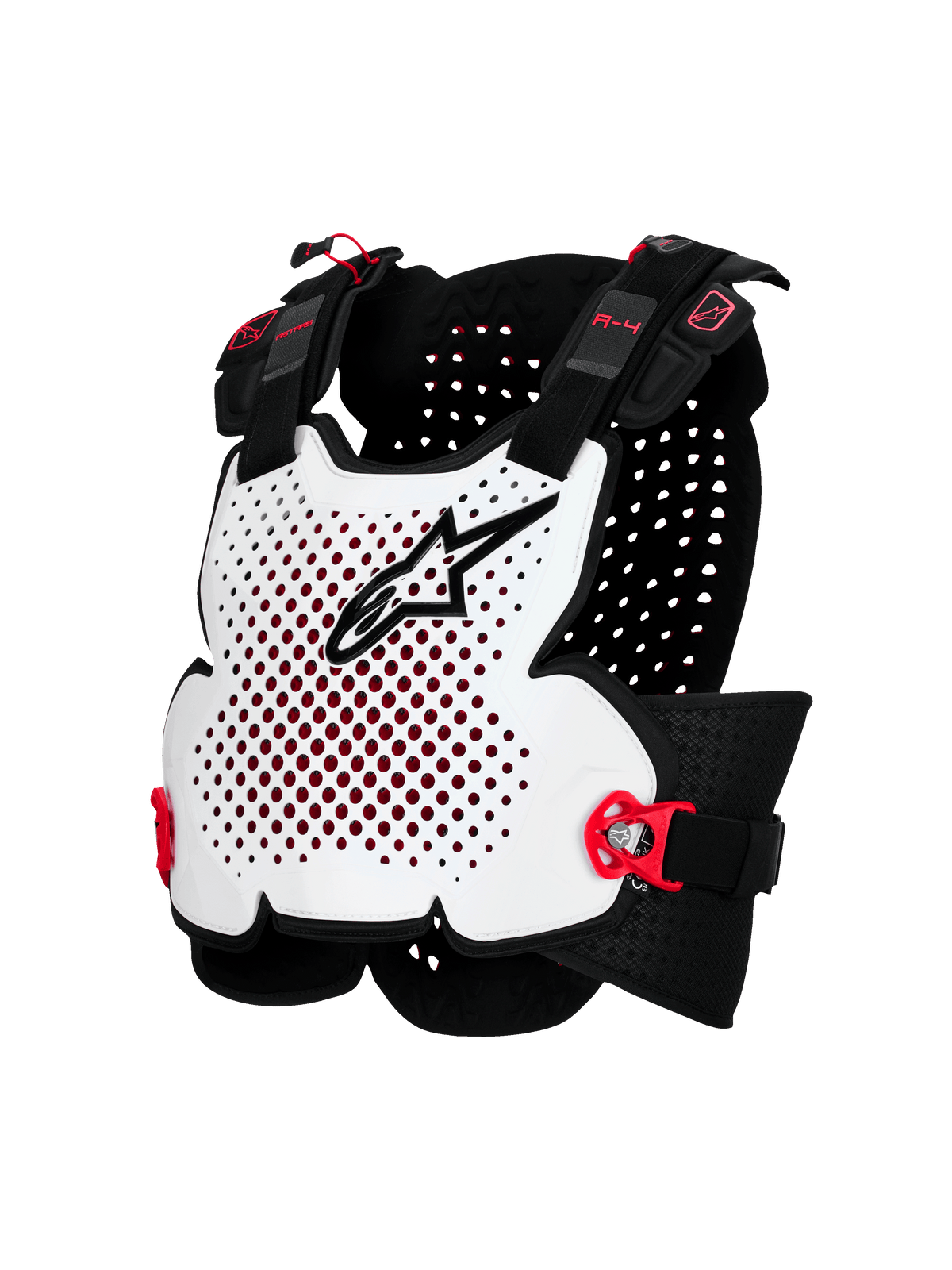
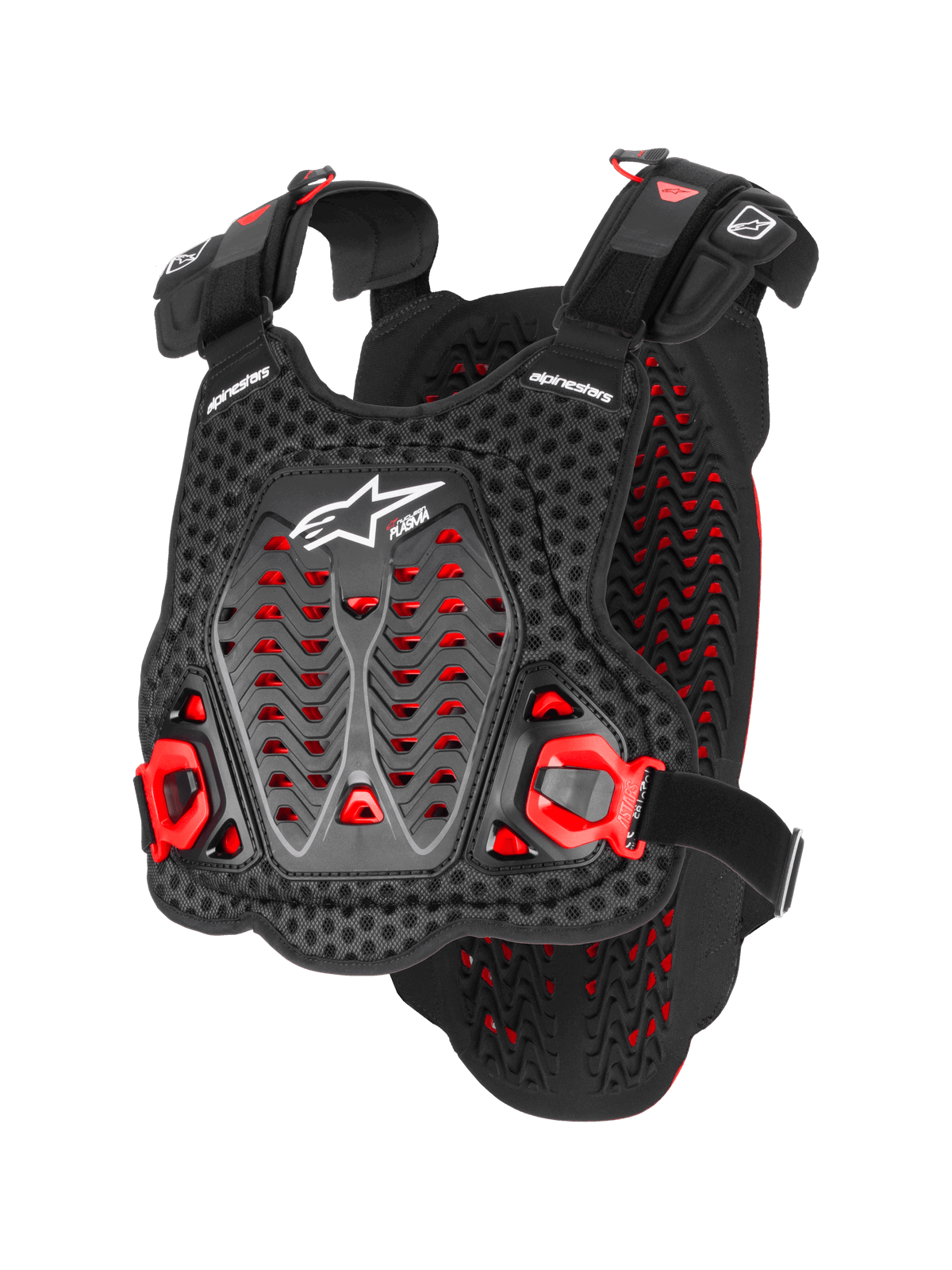
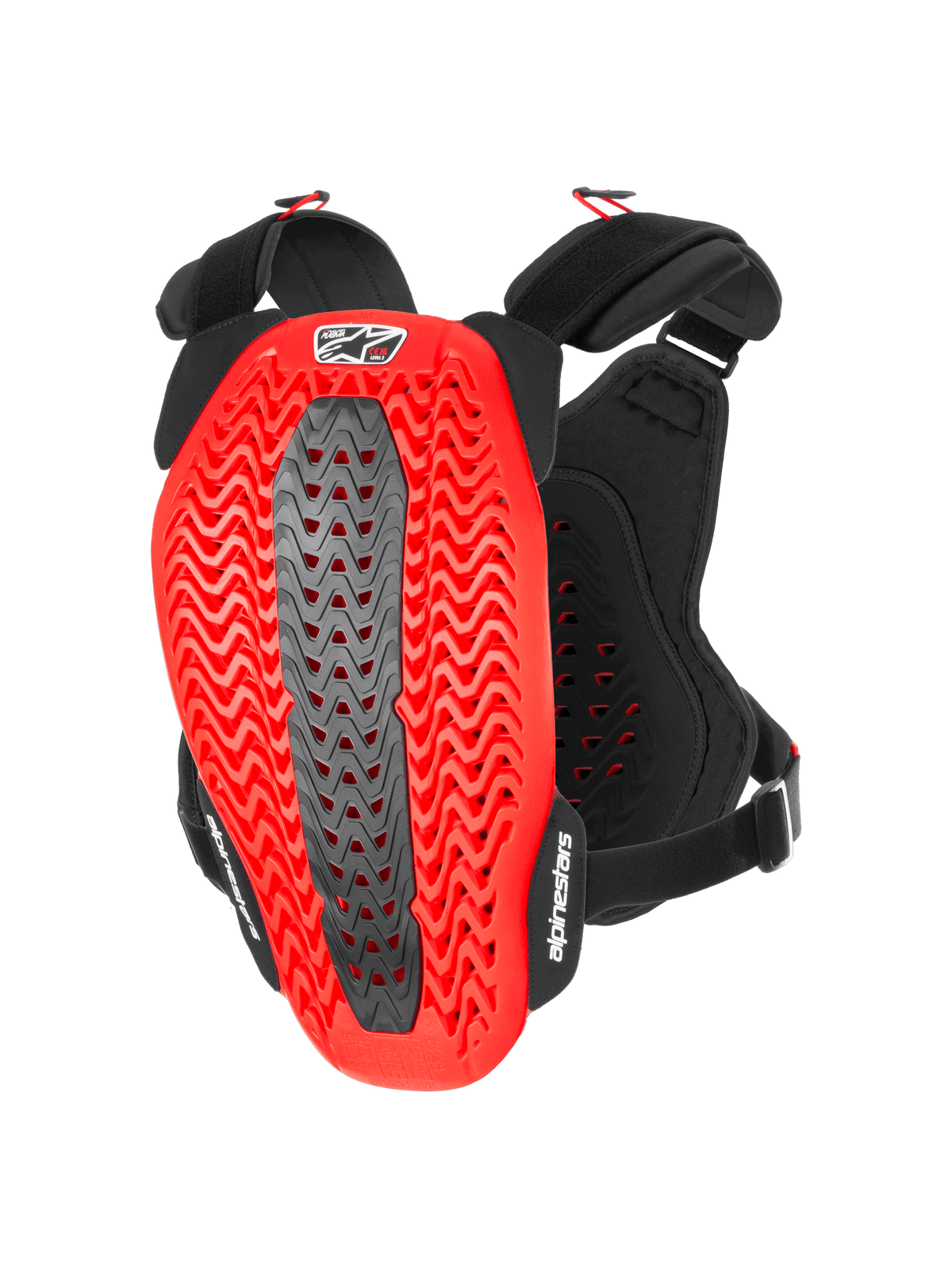
A-4 Plasma Chest Protector -
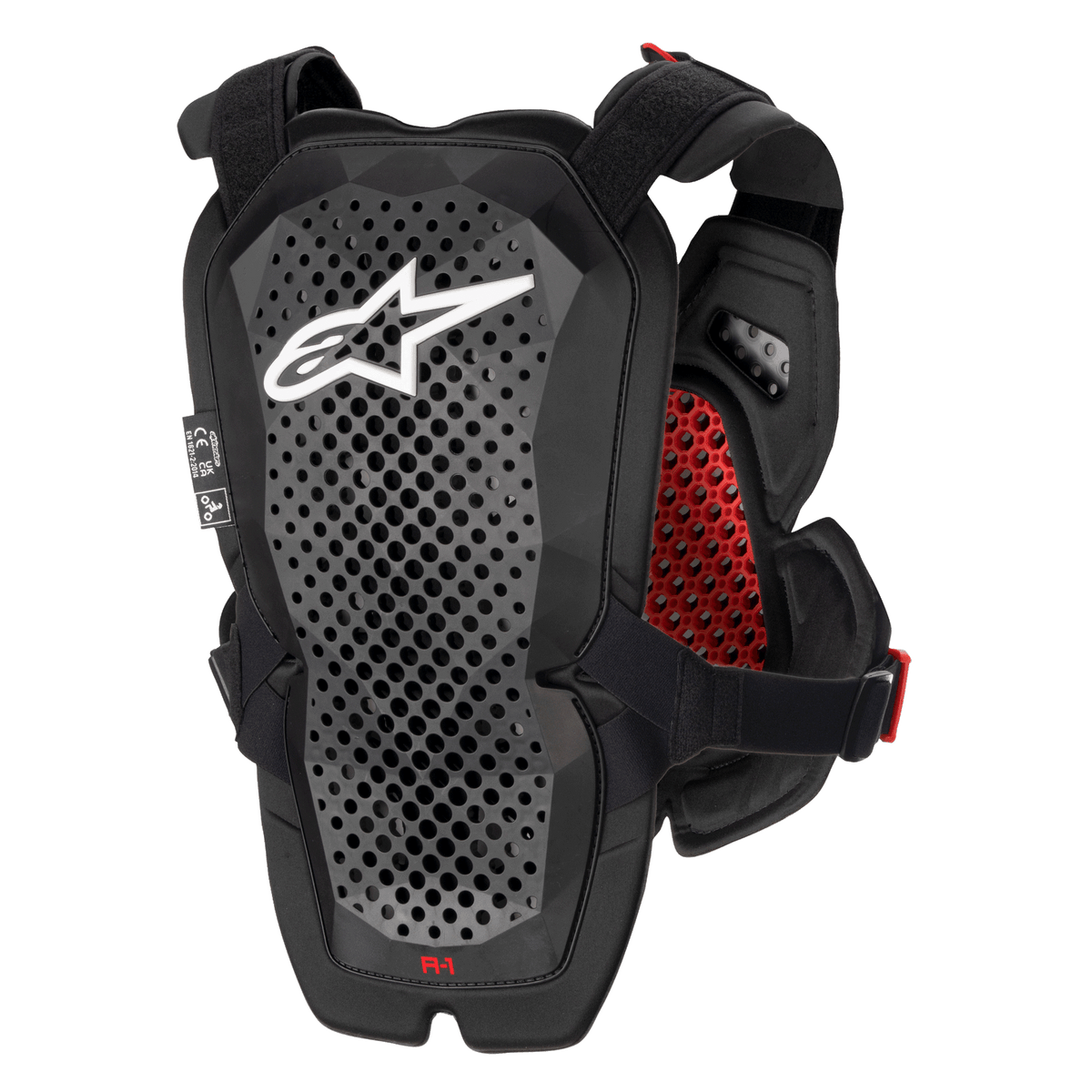
A-1 Pro Chest Protector -
Bionic Pro Plasma Knee Protectors -
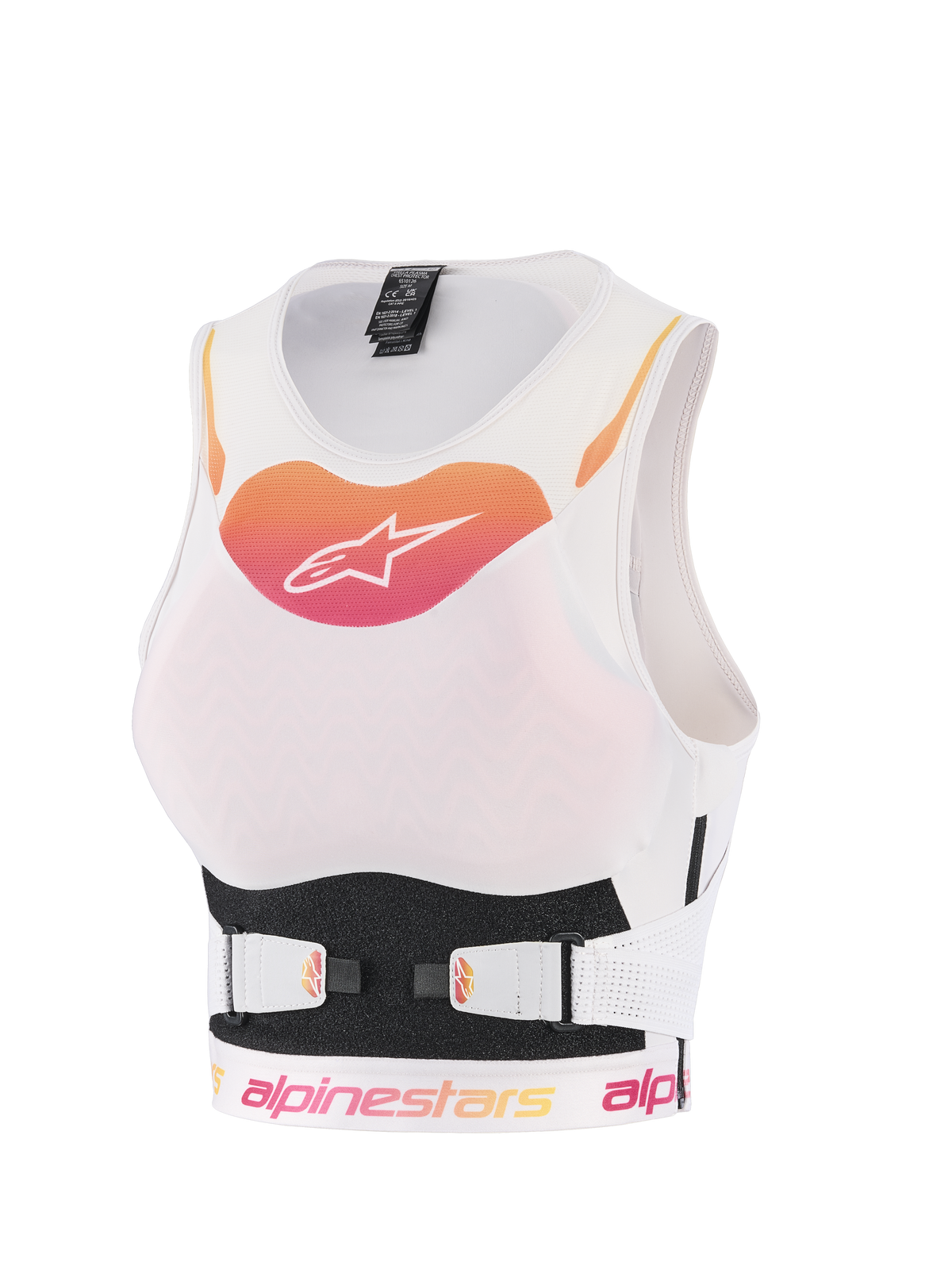
Stella Plasma Chest Protector -
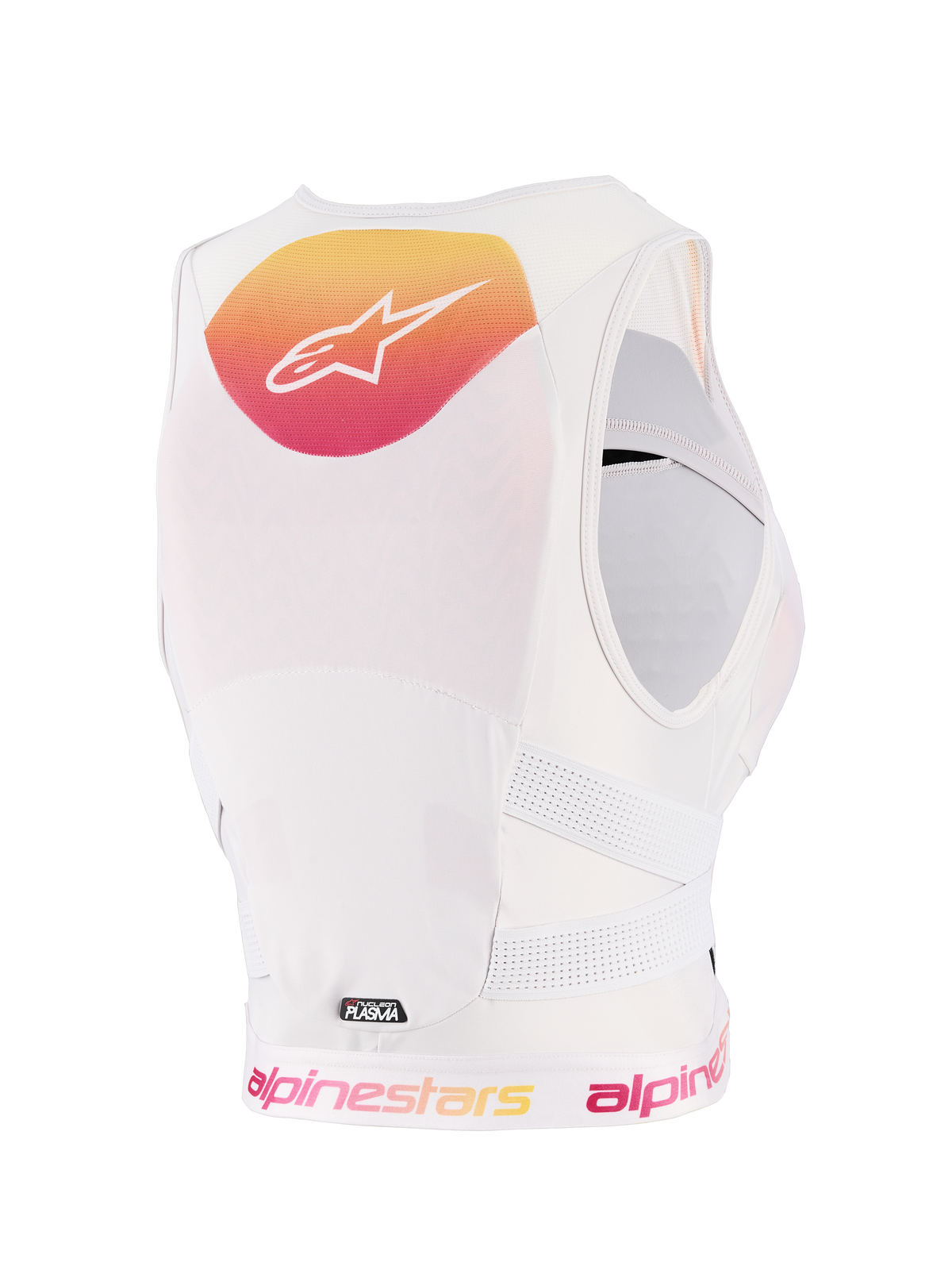
Stella Plasma Chest Protector -
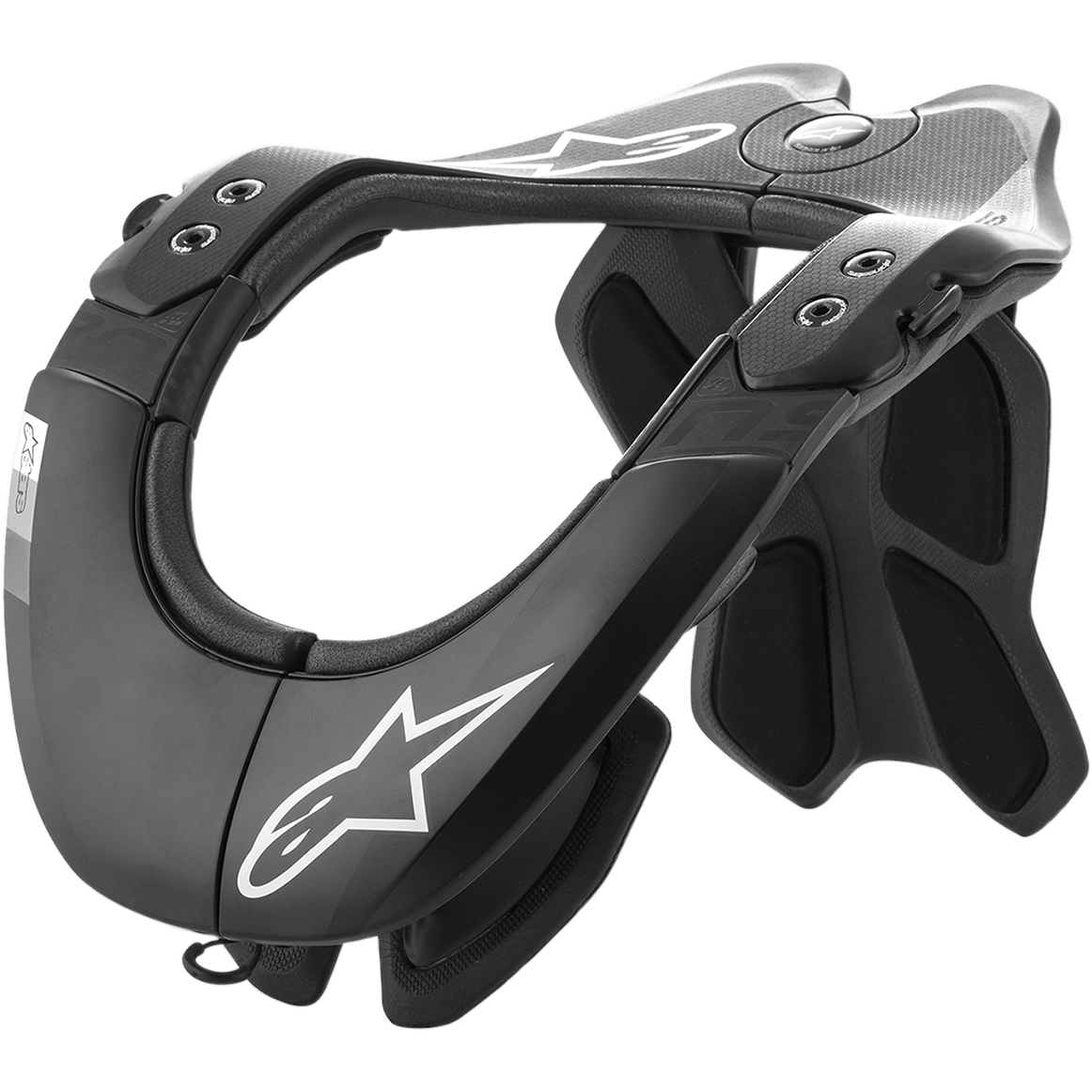
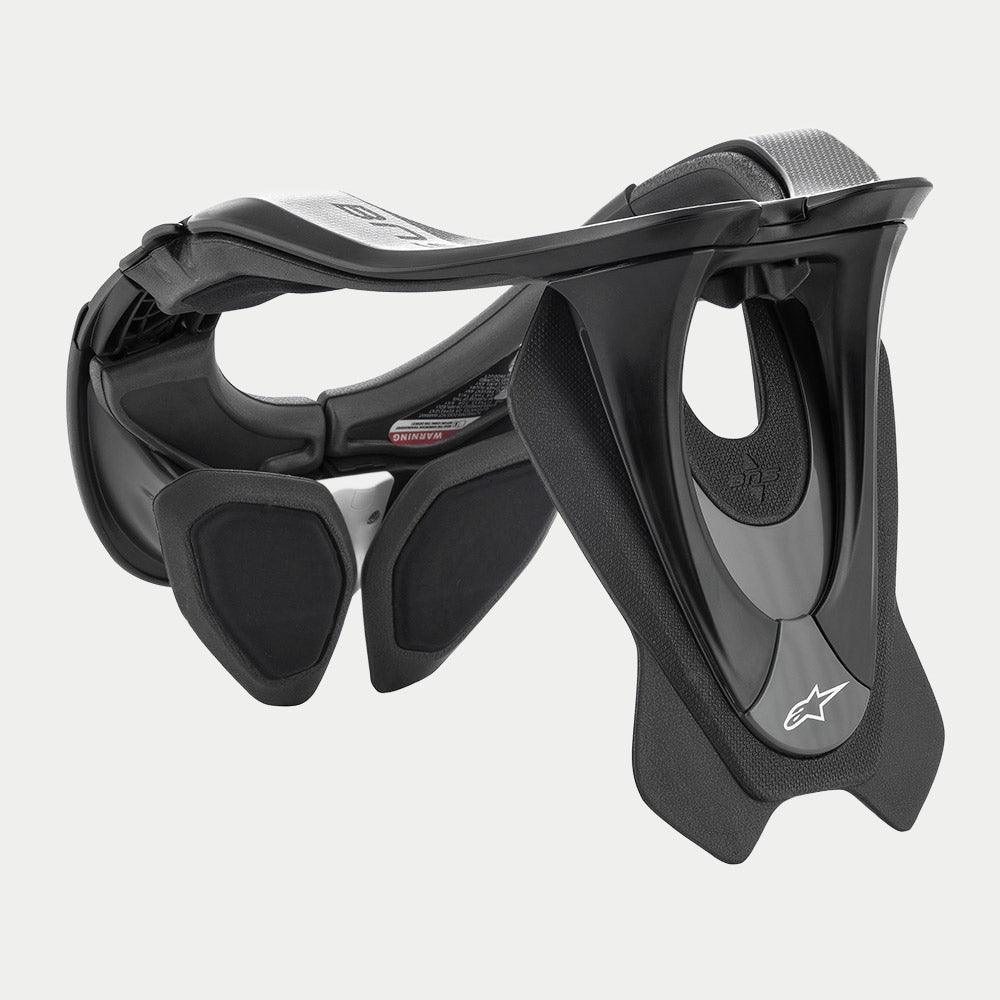
Bns Tech 2 Neck Support -
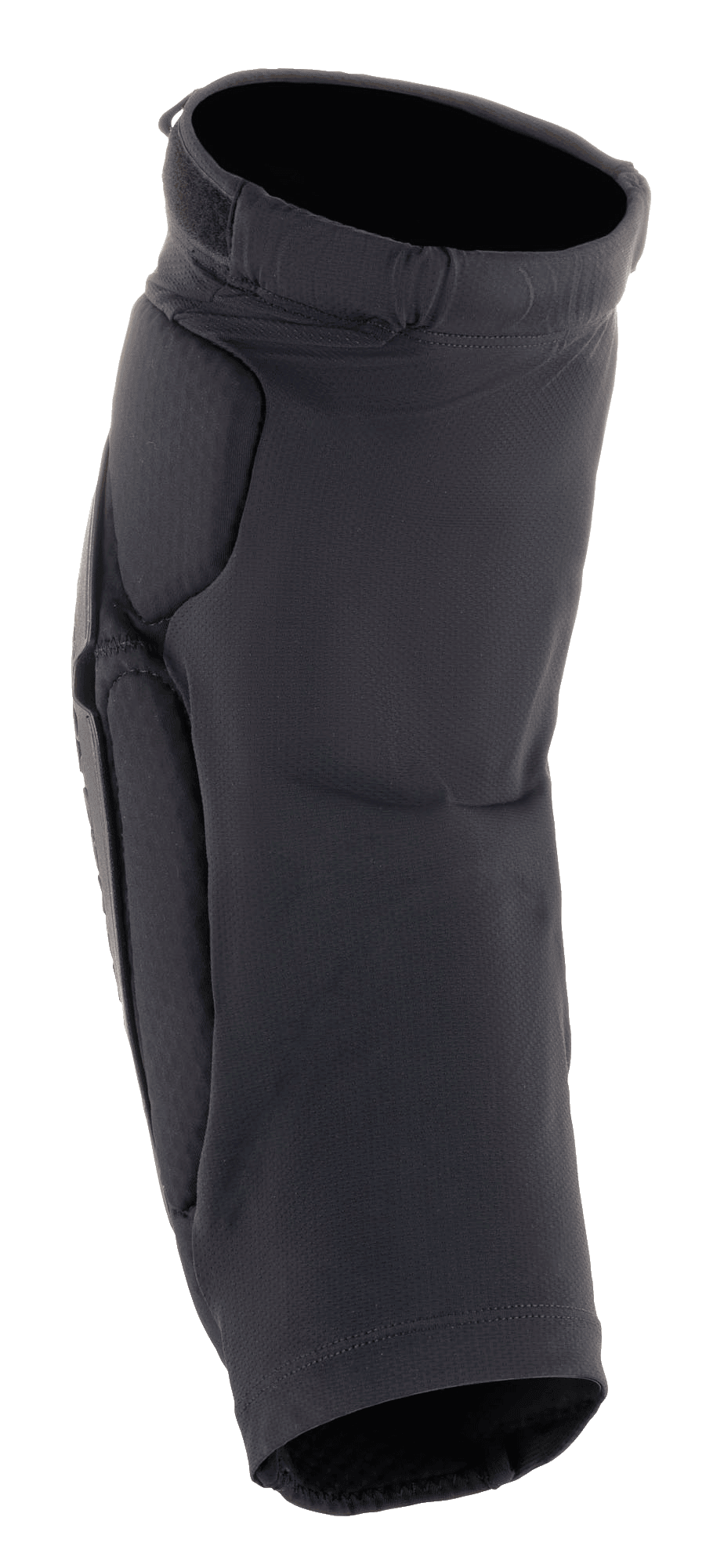
Bionic Flex Knee Protectors -
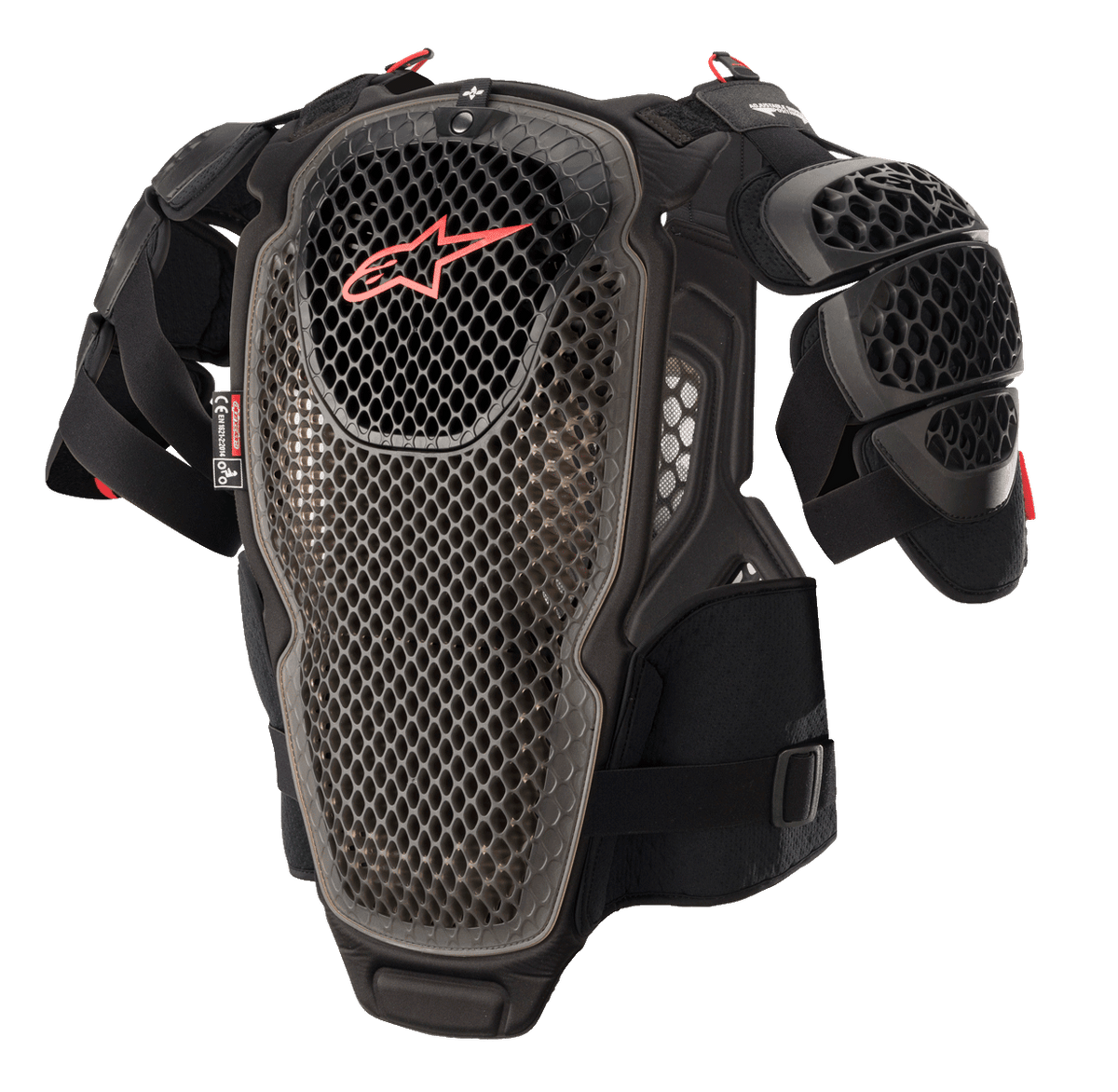
A-6 Chest Protector -
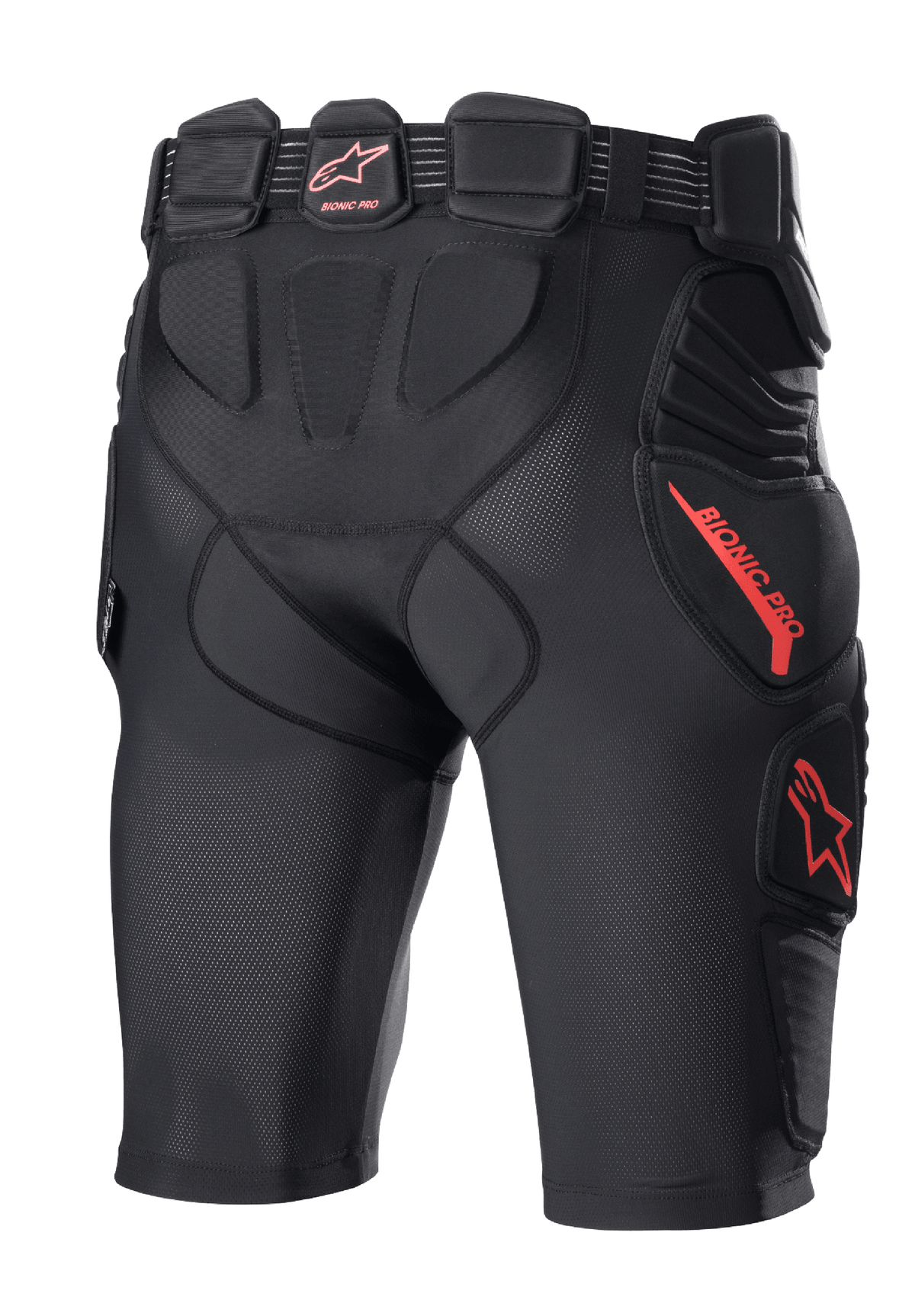
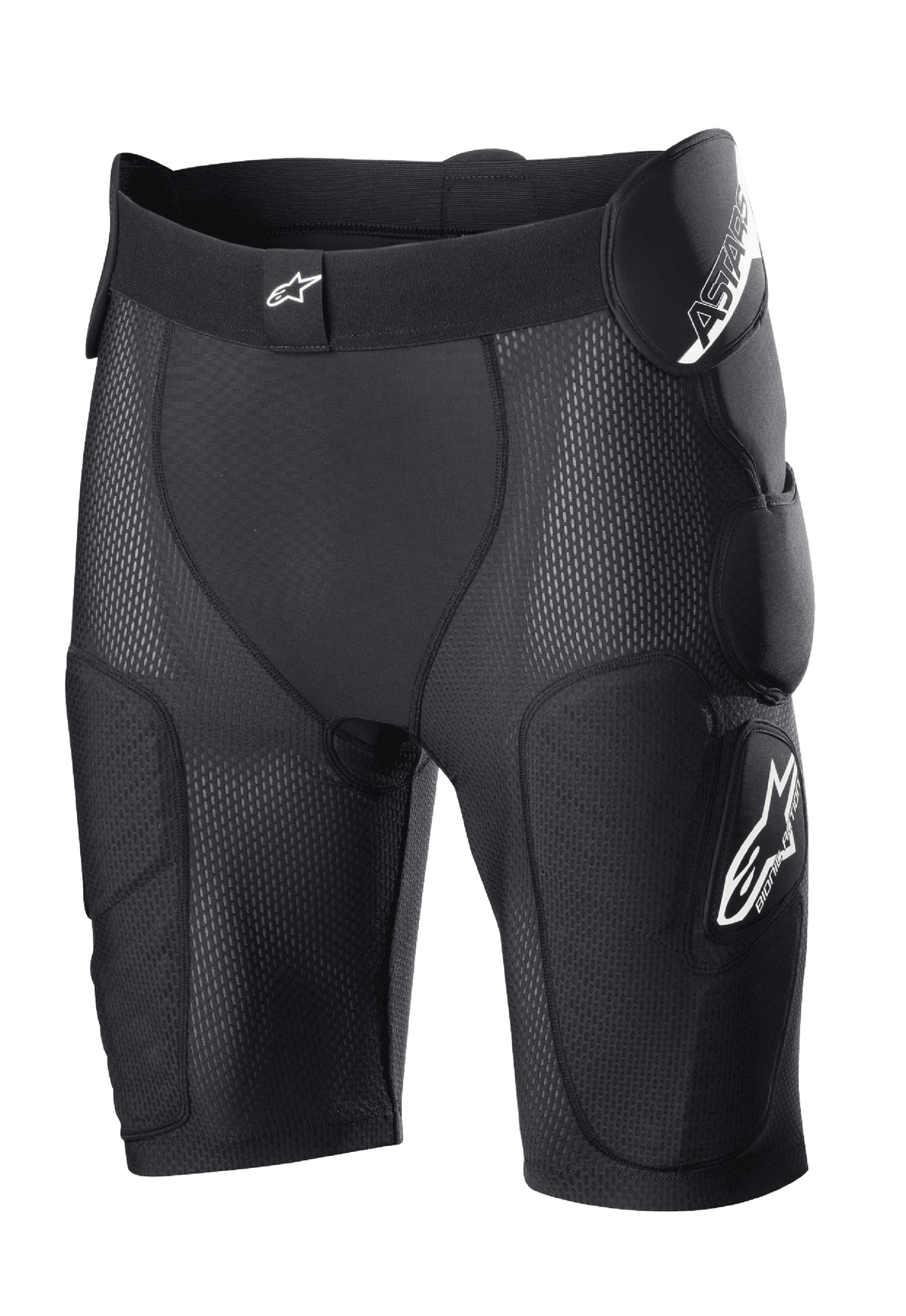
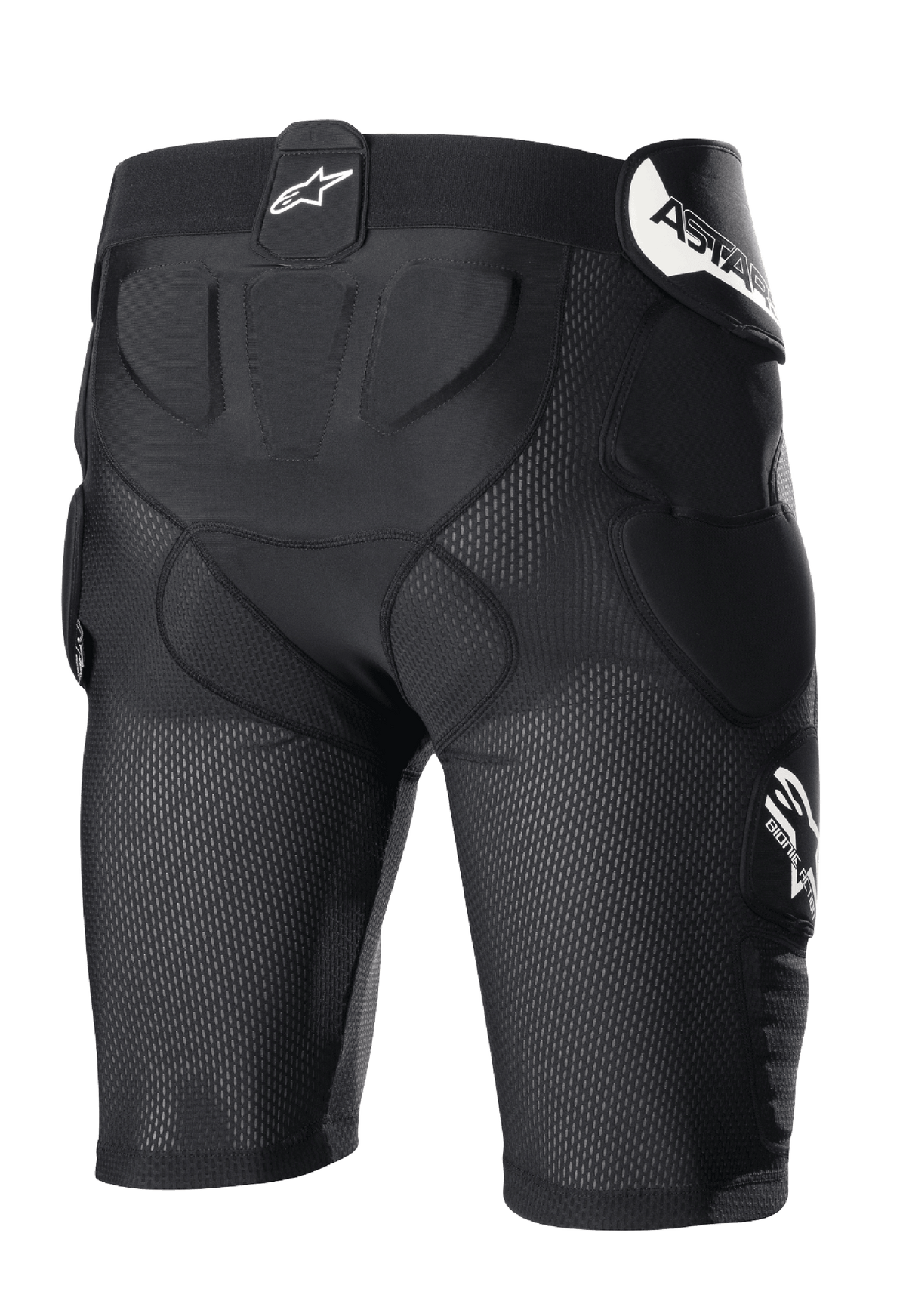
Bionic Pro Protection Shorts -
A-5 Plasma Chest Protector -
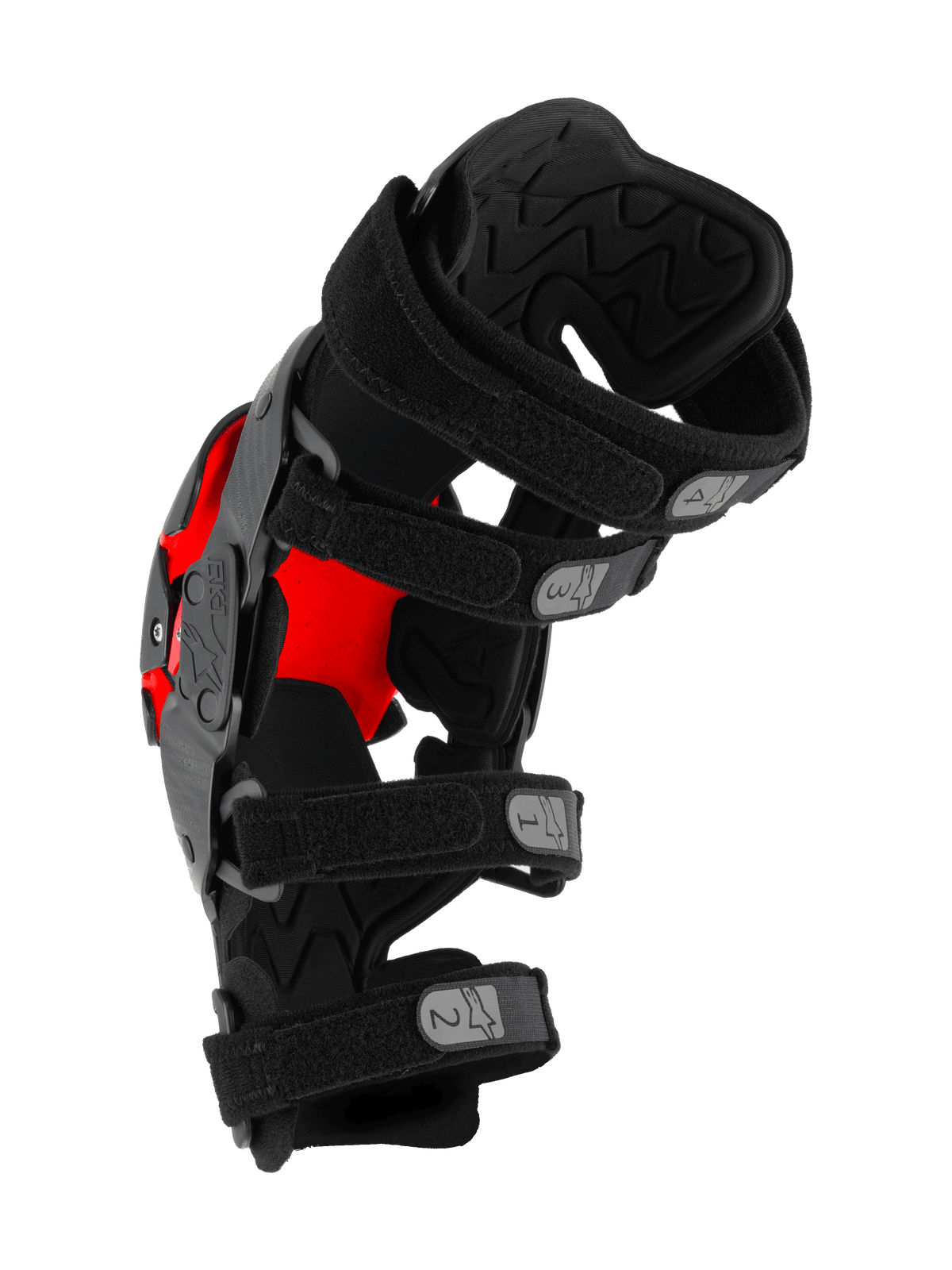
Rk-1 Plasma Knee Braces -
Bionic Plus Knee Protectors -
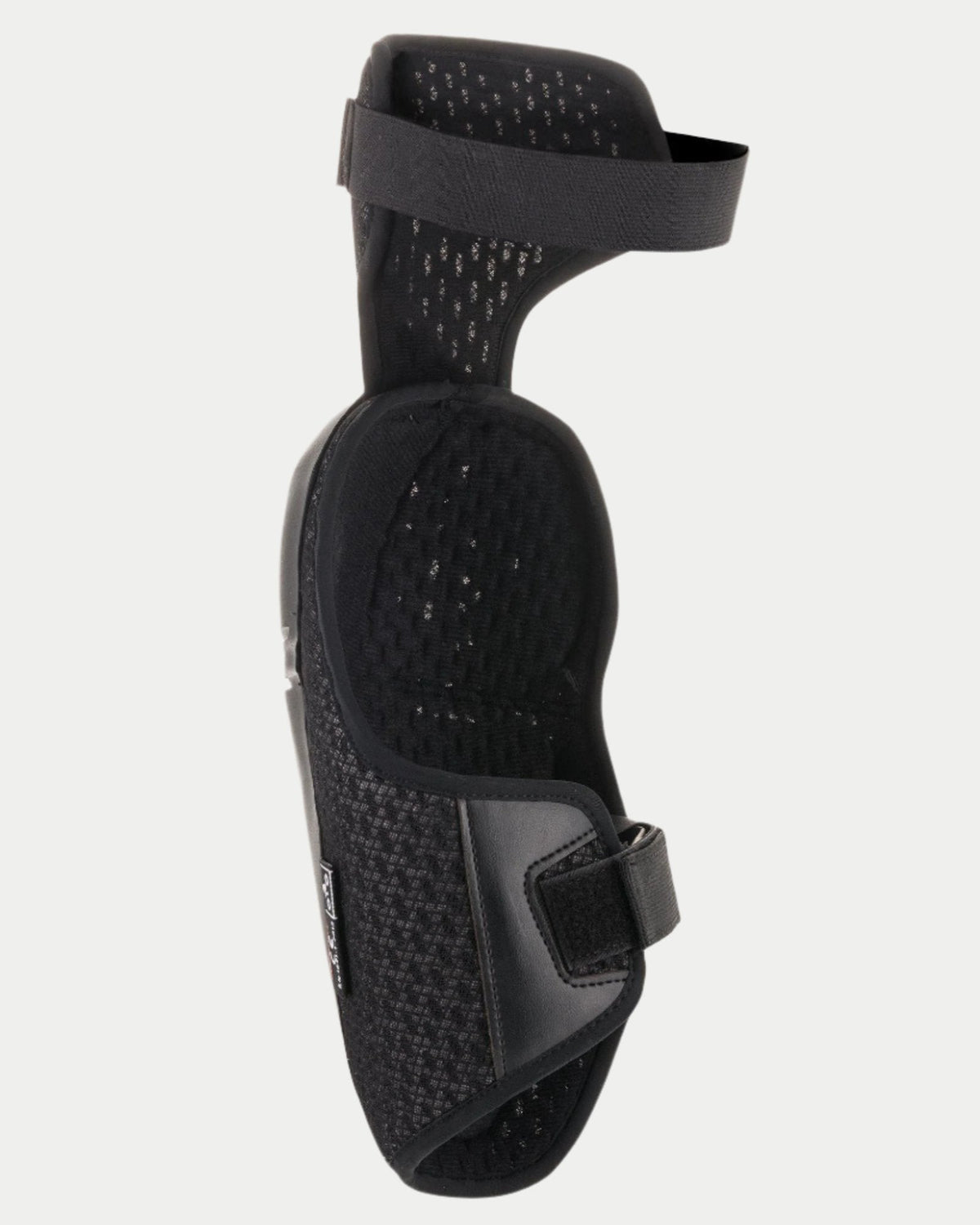
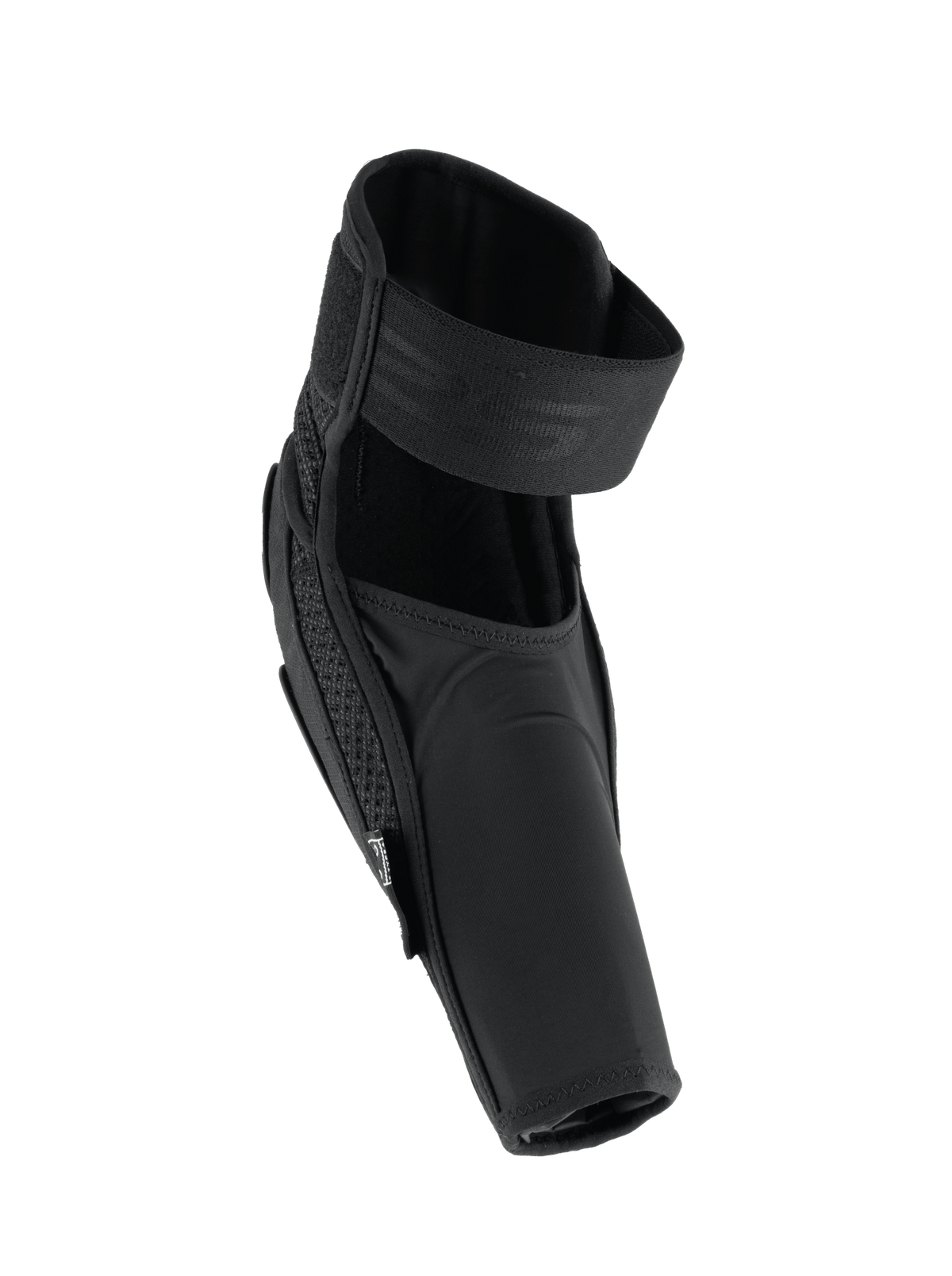
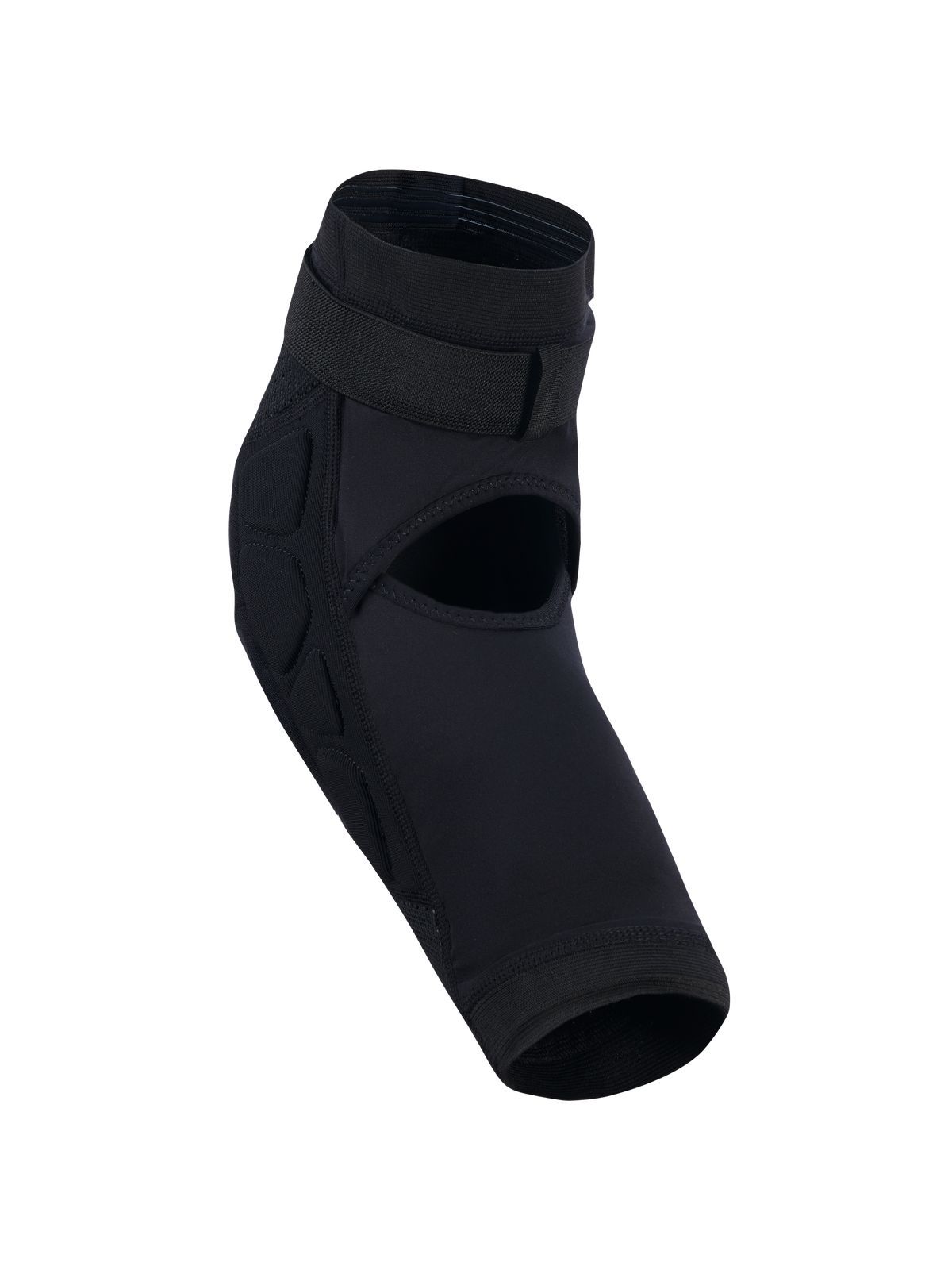
Bionic Pro Plasma Elbow Protectors -
Bionic Action Protection Shorts -
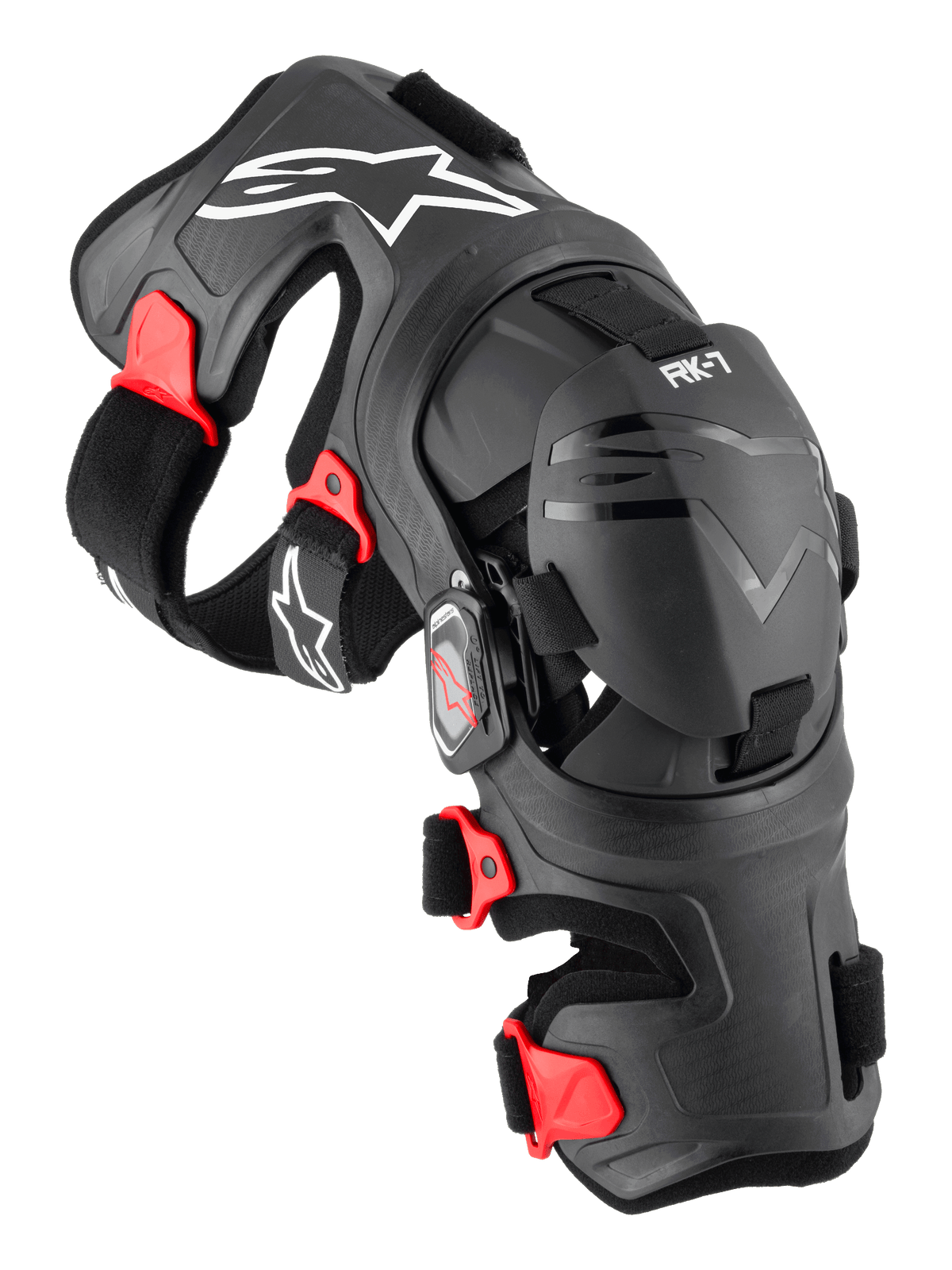
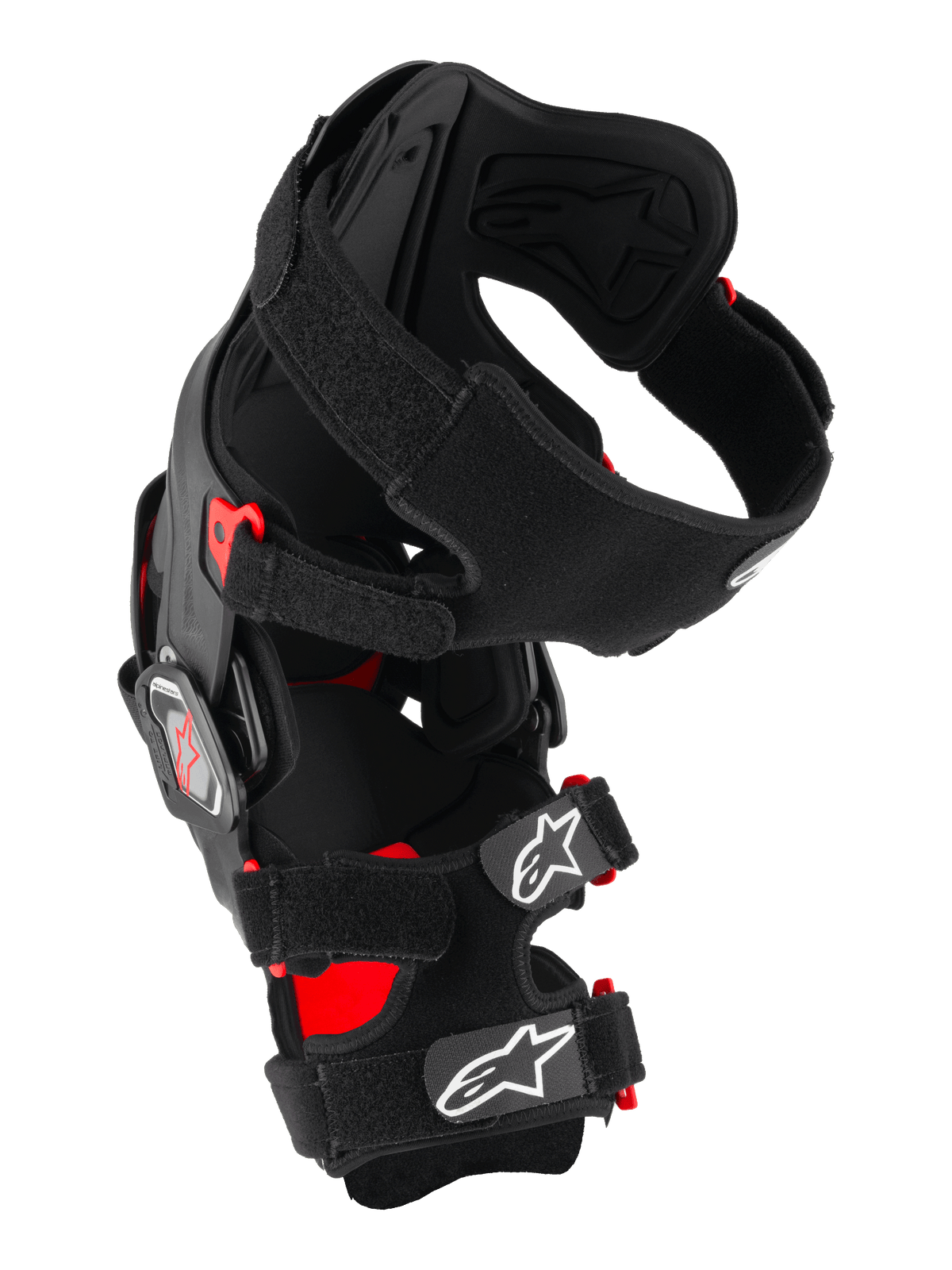
Rk-7 Plasma Knee Braces -
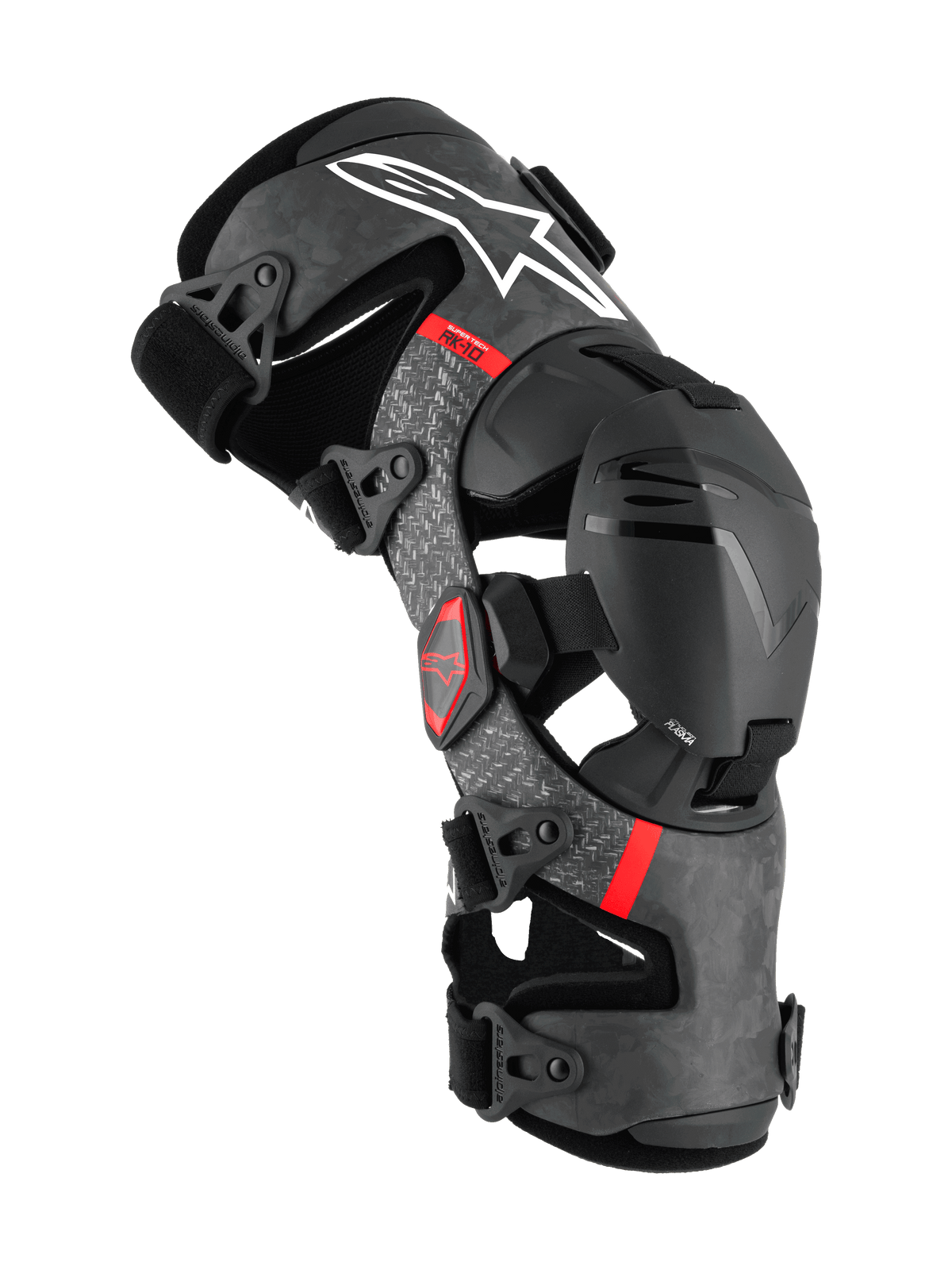
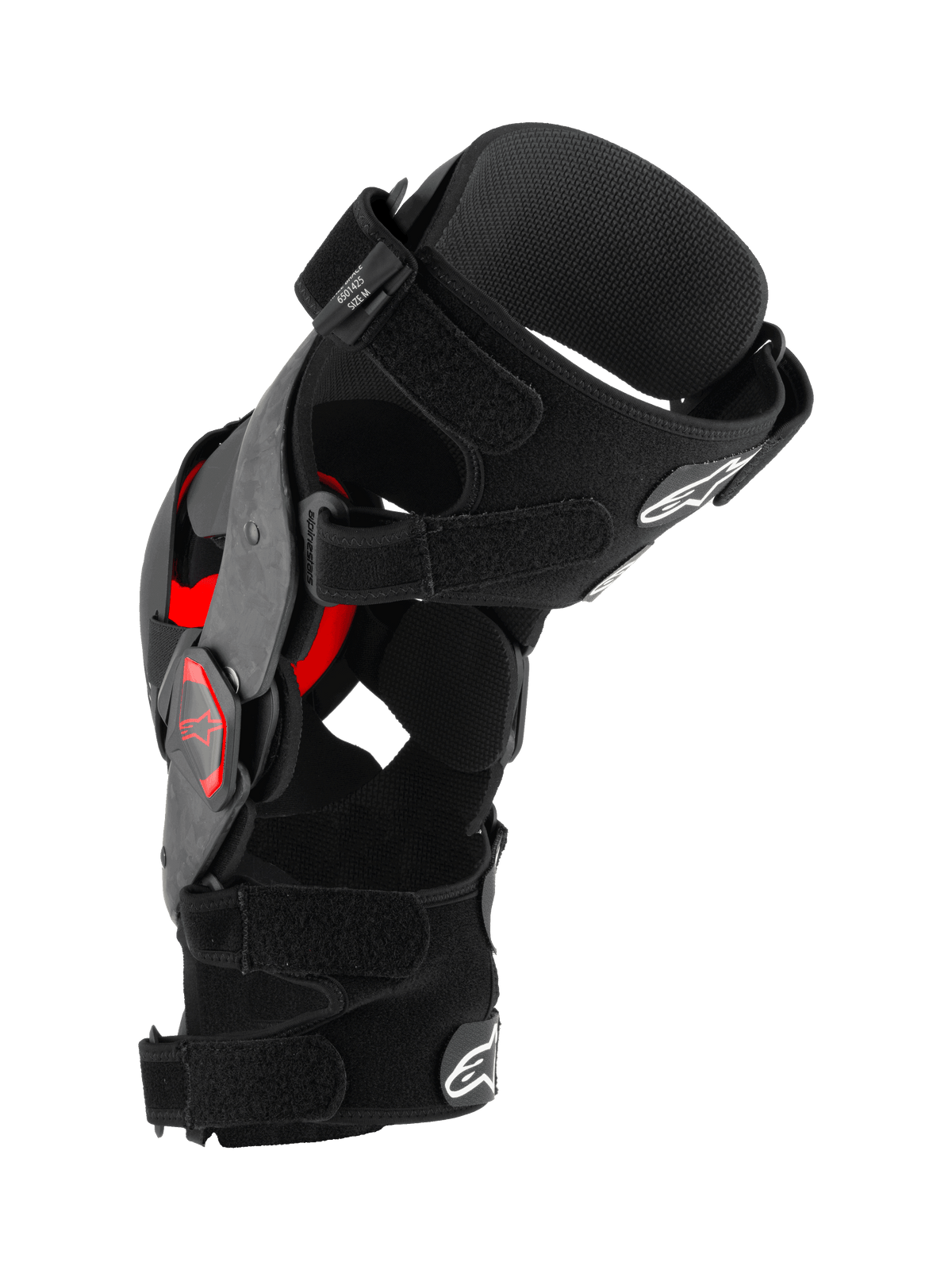
Supertech Rk-10 Plasma Knee Braces -
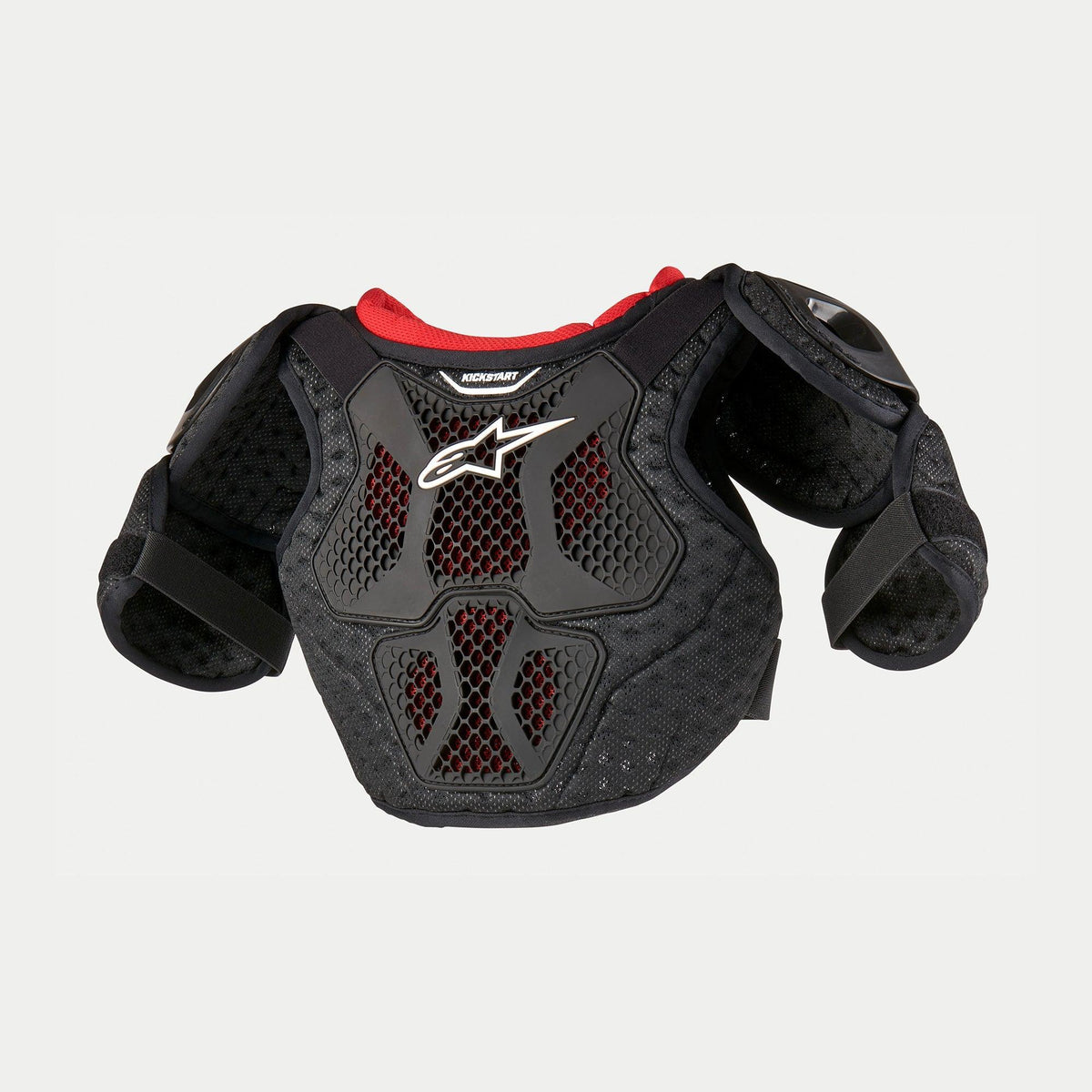
Youth Bionic Action Kickstart Chest Guard -
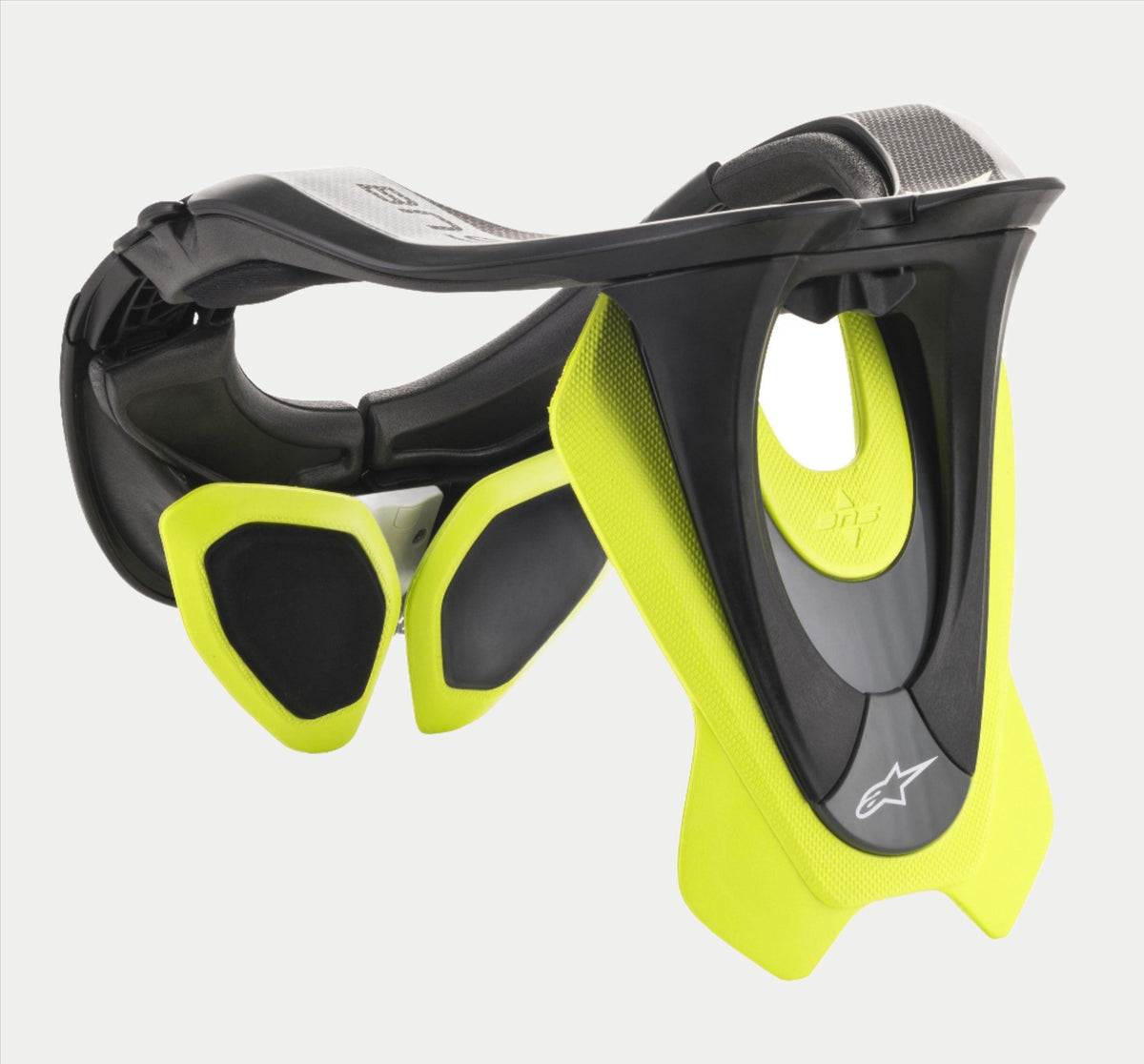
Youth Neck Support -
Bns Tech 2 Neck Support -
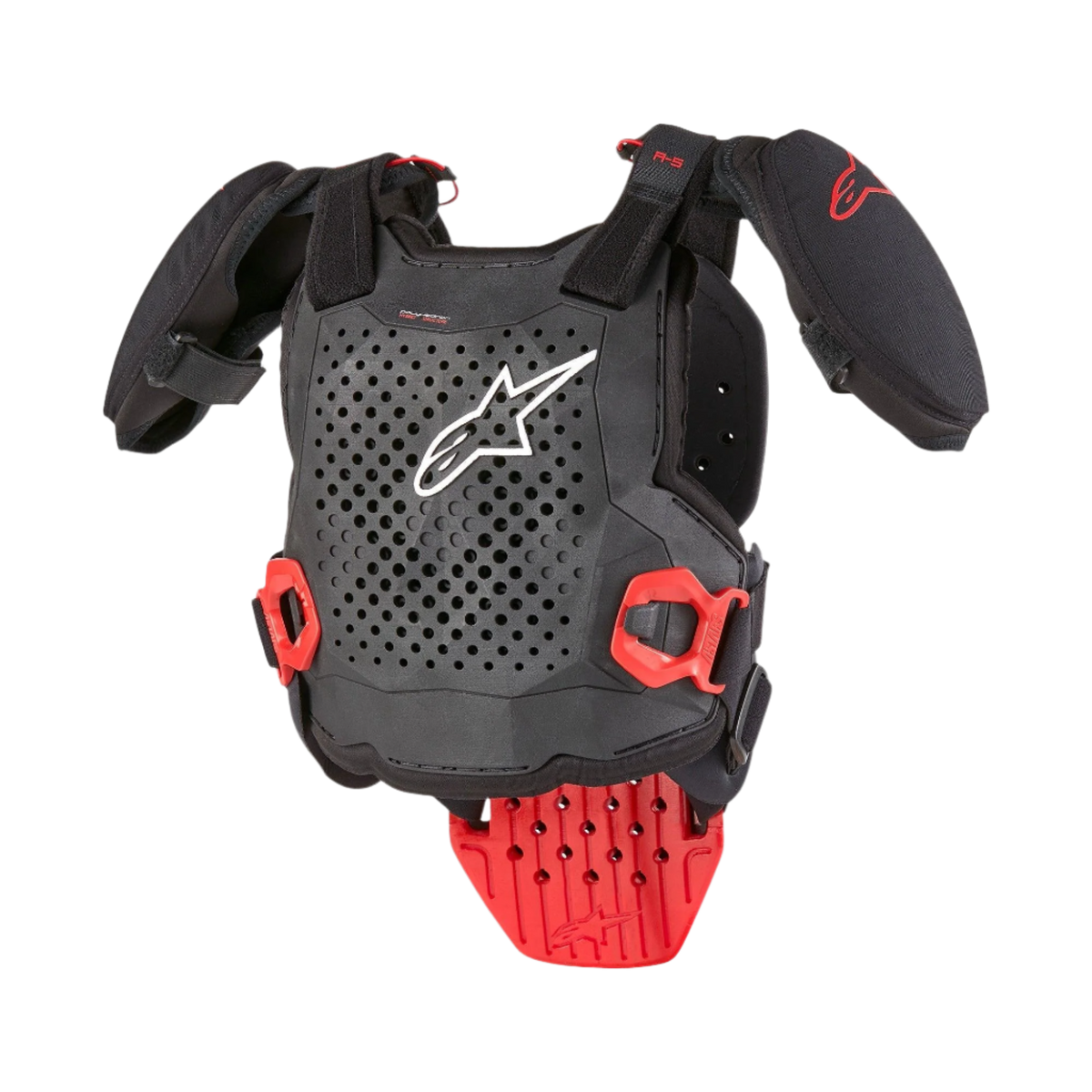
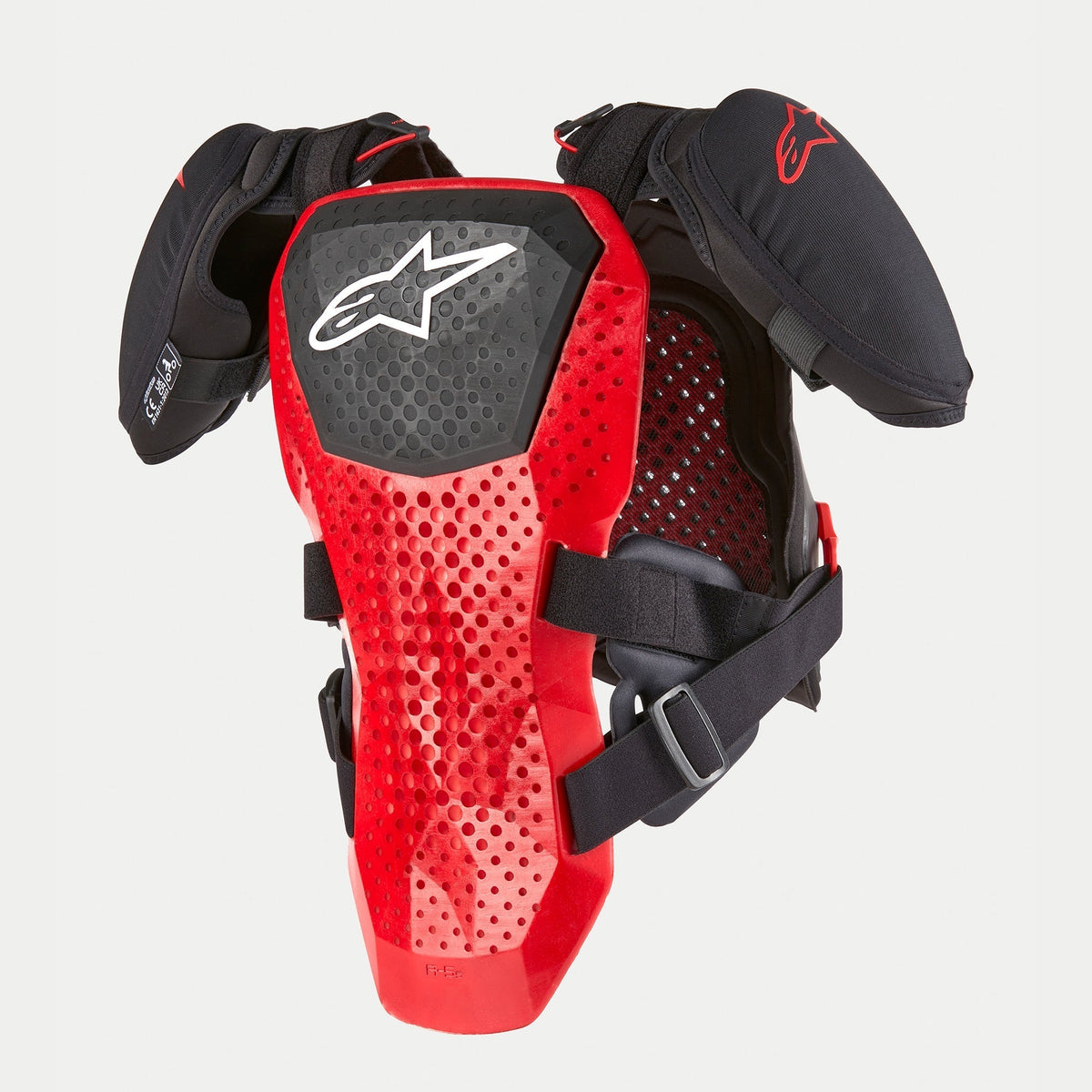
Youth A-5 S Chest Protector -
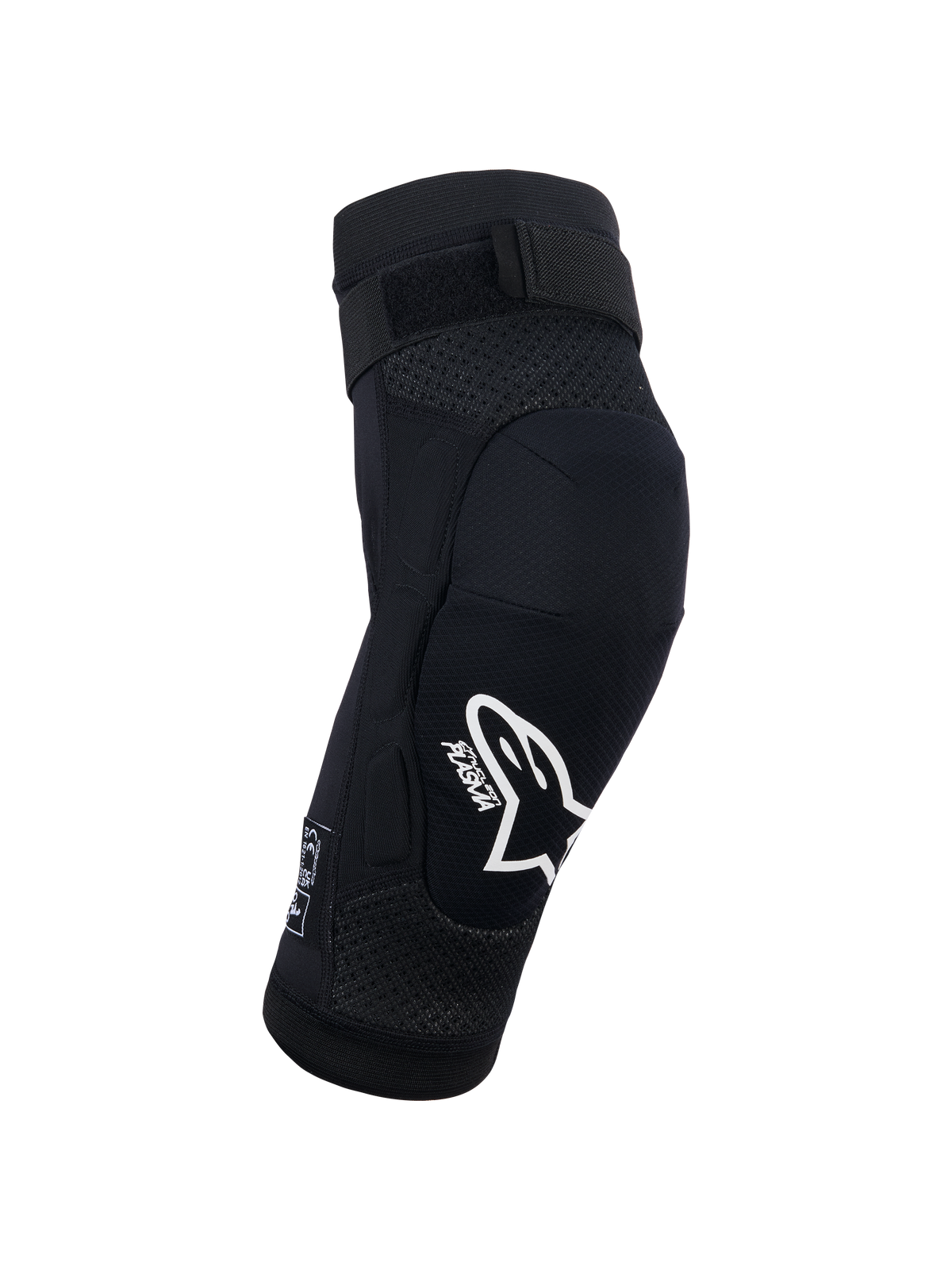
Bionic Flex Elbow Protectors -
Youth Sequence Neck Roll -
Youth Neck Support -
Sequence Kidney Belt -
Bionic Plasma Youth Knee Protector -
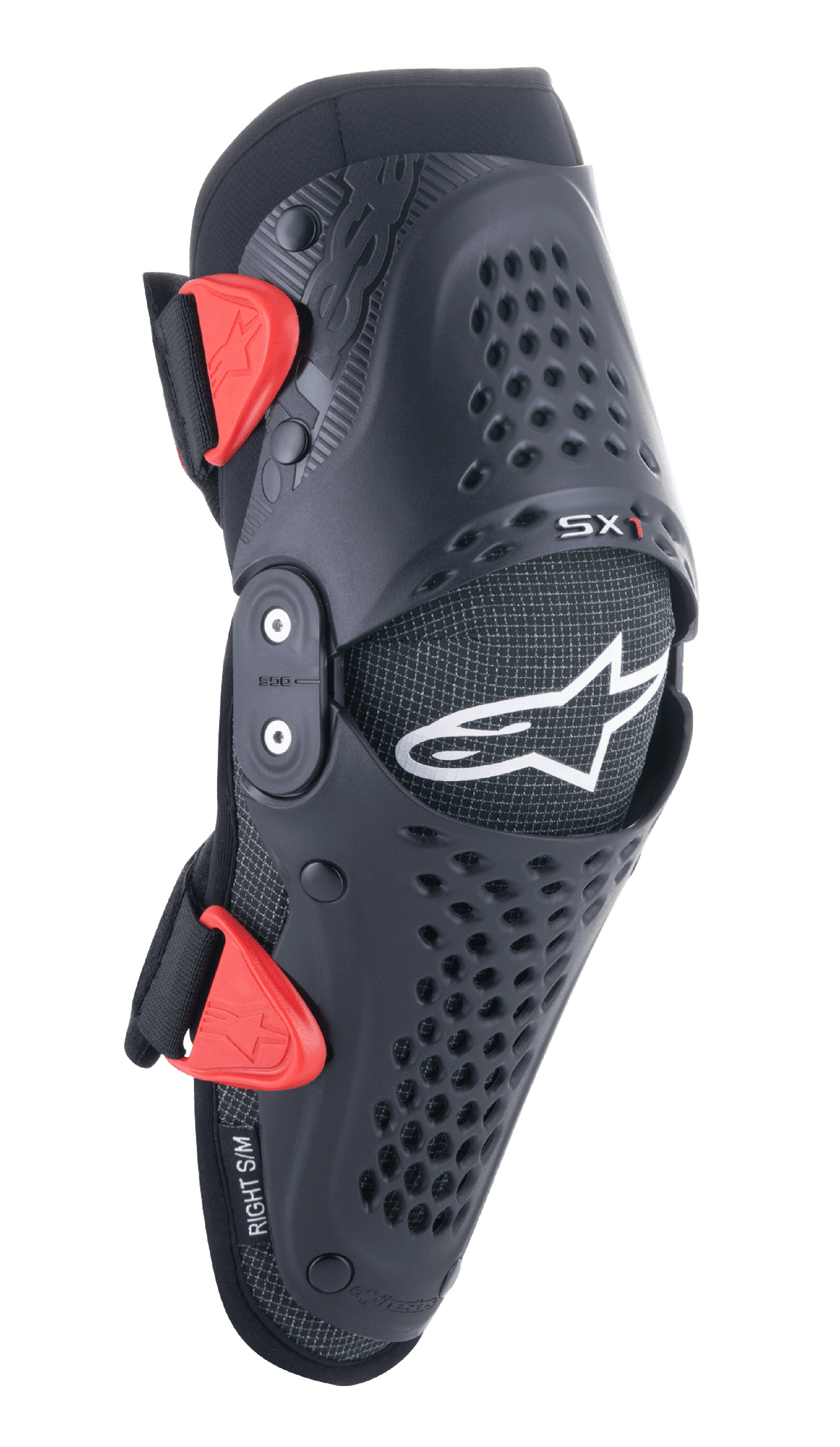
Youth SX-1 Knee Protectors -
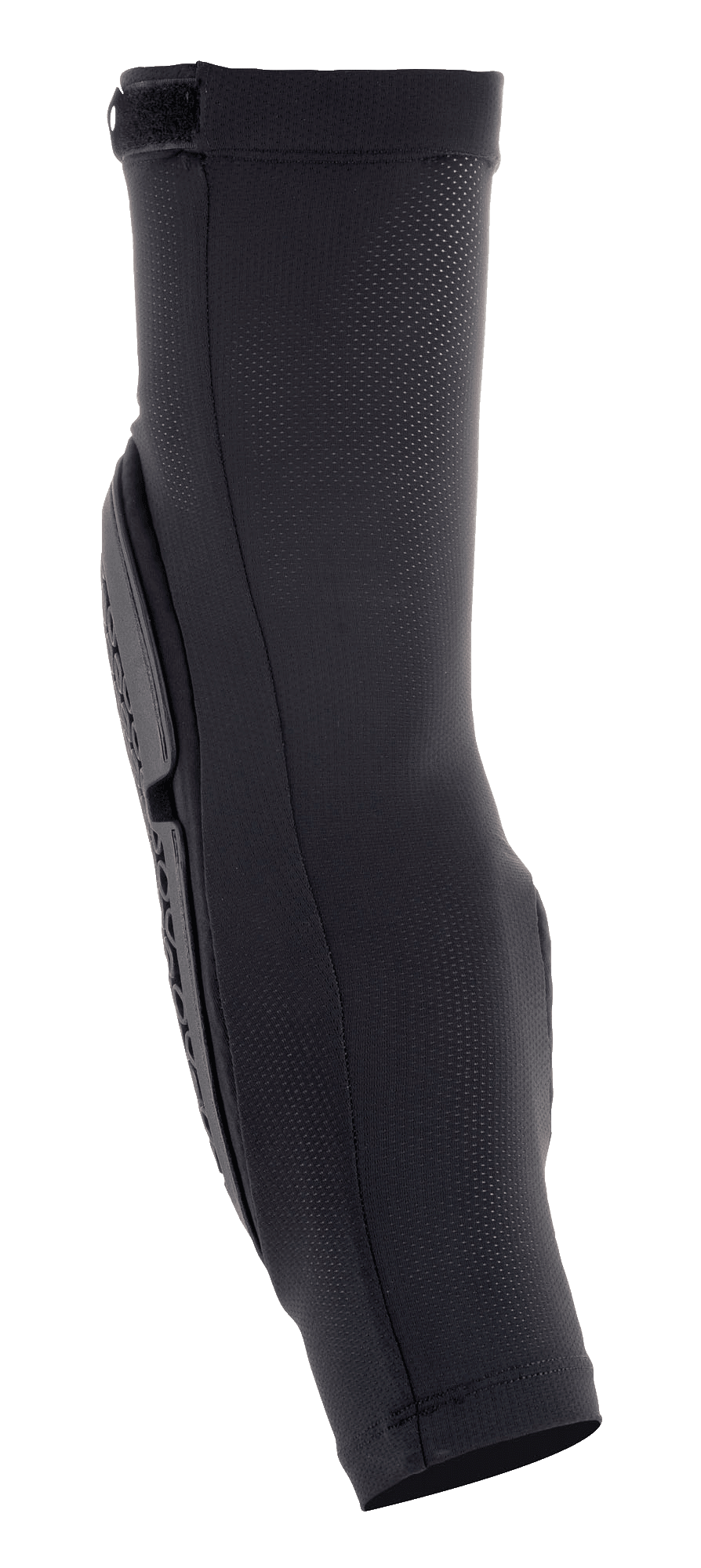
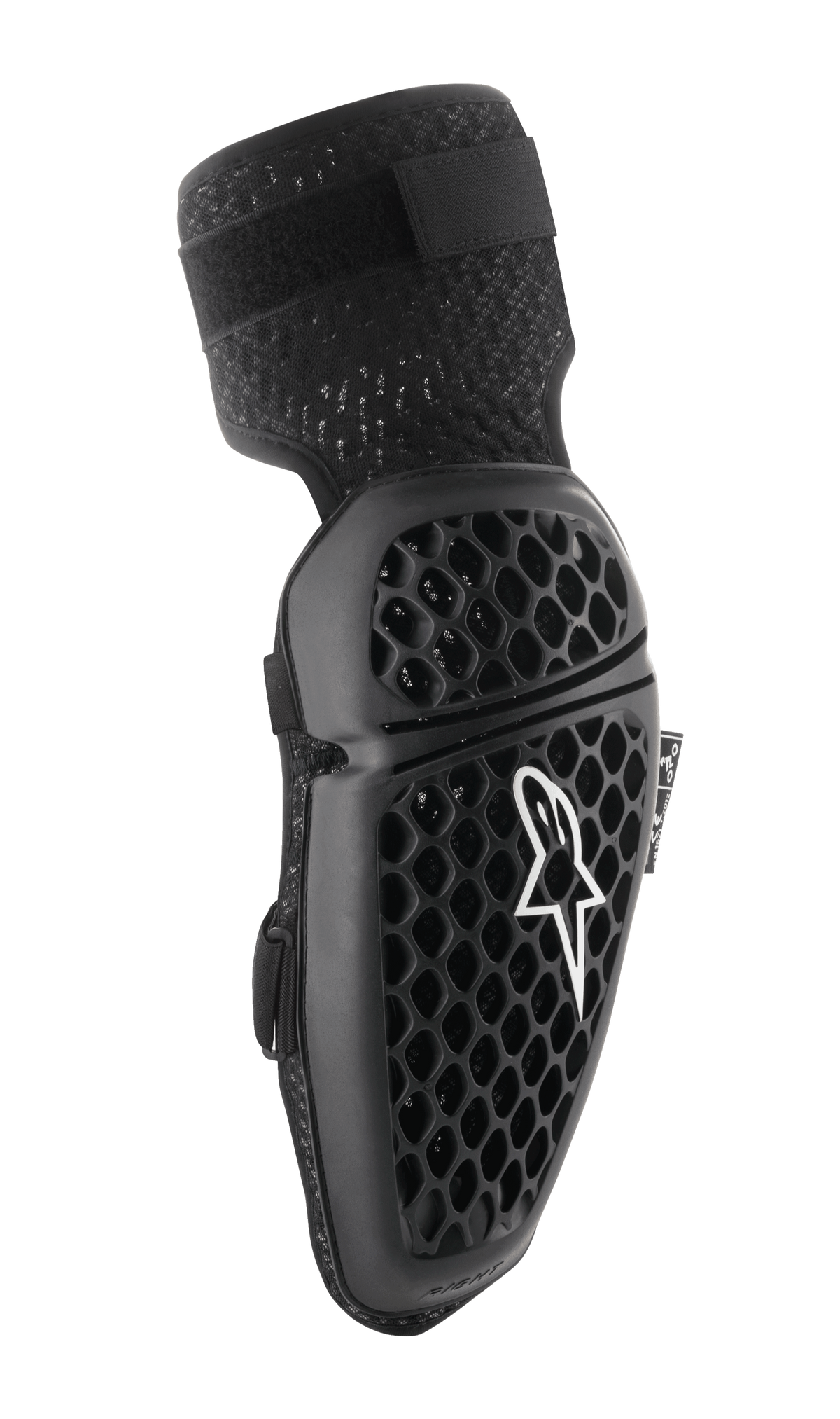
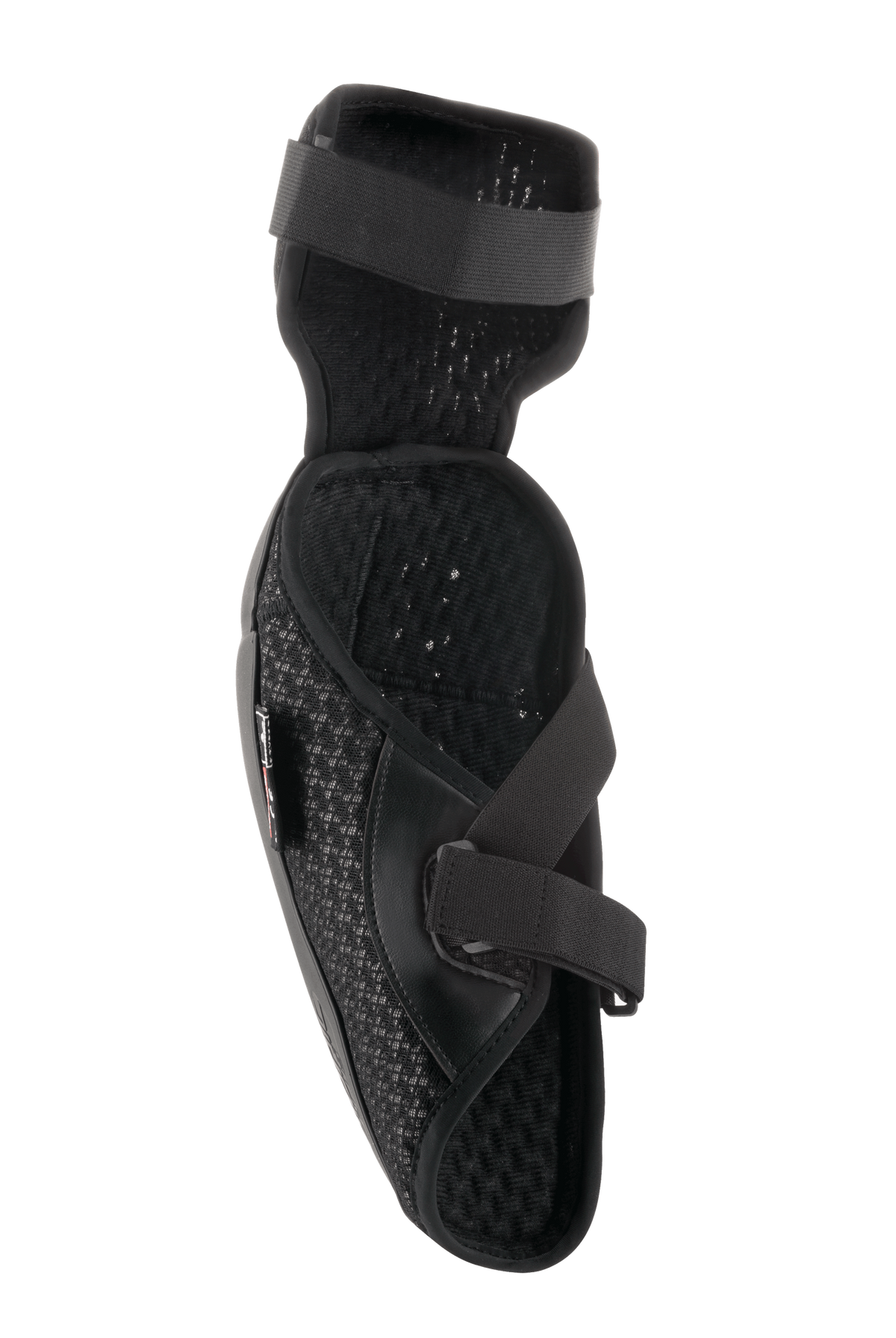
Bionic Plus Elbow Protectors















































Frequently asked questions Hide FAQs
What’s the difference between a roost deflector and a CE-certified MX body protector?
Roost deflectors are primarily designed to shield against roost (stones and debris) and light impacts, while CE-certified chest/back protectors are engineered to attenuate crash energy to defined standards for impact protection.
| Protection Type | Primary Purpose | Certification | Typical Wear |
|---|---|---|---|
| Roost Deflector | Deflects debris and minor contacts | Often EN 14021 (stone shield) or un-certified | Commonly worn over a jersey; very ventilated |
| Chest/Back Protector | Impact energy absorption in a crash | EN 1621-3 (chest) / EN 1621-2 (back), Level 1 or 2 | Frequently worn under a jersey for close-to-body fit |
If you ride tracks or more technical terrain, many riders choose CE-certified chest and back protection for higher impact attenuation, sometimes paired with a lightweight roost shell depending on conditions.
Should I wear my MX body protector under or over my jersey, and how should it fit?
Slim, CE-certified chest/back protectors are typically worn under a jersey for a stable, close-to-body fit; roost deflectors are often worn over a jersey for quick on/off and maximum airflow. Either approach is valid as long as the protector stays centered, doesn’t ride up, and doesn’t restrict arm or head movement.
Size by your chest circumference and torso length, then fine-tune straps so the sternum, ribs, and spine are covered without gapping. In riding position, the protector should not contact your helmet, interfere with a neck brace (if used), or shift during braking and landings.
Which safety standards apply to MX body protection, and what do Level 1 and Level 2 mean?
Off‑road stone shields may reference EN 14021, which focuses on roost and debris deflection. Impact‑absorbing protectors typically carry EN 1621-3 for chest and EN 1621-2 for back. Each of these has Level 1 and Level 2 ratings—Level 2 indicates lower transmitted force (higher impact attenuation) under standardized tests.
Choose the level based on your risk tolerance and riding style: Level 2 offers more impact reduction and may be slightly heavier or less ventilated than Level 1. Always verify the label or product description for the exact standard and level.
Can I use a chest/back protector with a neck brace or a hydration pack?
Yes. Many MX body protectors are designed with neck‑brace and pack compatibility in mind. Look for adjustable shoulders, low‑profile collars, and modular panels so the brace can sit correctly on your shoulders and the backplate can accommodate a hydration bladder without creating pressure points.
Test the full setup on the bike to confirm the brace contacts the intended surfaces and that pack straps do not shift the armor. For neck support options, explore our neck protection collection; for additional torso options, see MX chest protection.
How do I clean and care for MX body protectors?
Remove any soft inserts if possible, close straps, and rinse off dirt first. Hand wash fabric components in cold water with mild detergent; wipe hard shells with a damp cloth. Do not use bleach, solvents, or fabric softeners.
Air dry away from direct heat and sunlight, and reassemble only when fully dry. Inspect after any significant crash—replace protectors that show cracks, crushed foam, or deformed panels to maintain impact performance.