94 results
-
S-M3 Youth Falcon Helmet ECE 22.06 -
S-M3 Falcon Helmet ECE 22.06 -
S-M7 Blaster Helmet ECE 22.06 -
S-M3 Youth Falcon Helmet ECE 22.06 -
S-M7 Core Helmet ECE 22.06 -
S-M7 Blaster Helmet ECE 22.06 -
S-M7 Blaster Helmet ECE 22.06 -
S-M3 Falcon Helmet ECE 22.06 -
S-M7 Cast Helmet ECE 22.06 -
S-M3 Youth Falcon Helmet ECE 22.06 -
S-M3 Falcon Helmet ECE 22.06 -
S-M3 Radium Helmet ECE 22.06 -
S-M7 Solid Helmet ECE 22.06 -
Limited Edition S-M7 Beast Coast Helmet ECE 22.06 -
Limited Edition Supertech M10 Records Helmet ECE 22.06 -
Limited Edition S-M7 Wolf Dust Helmet ECE 22.06 -
S-M7 Fuse Helmet ECE 22.06 -
S-M7 Fuse Helmet ECE 22.06 -
S-M7 Rise Helmet ECE 22.06 -
S-M7 Core Helmet ECE 22.06 -
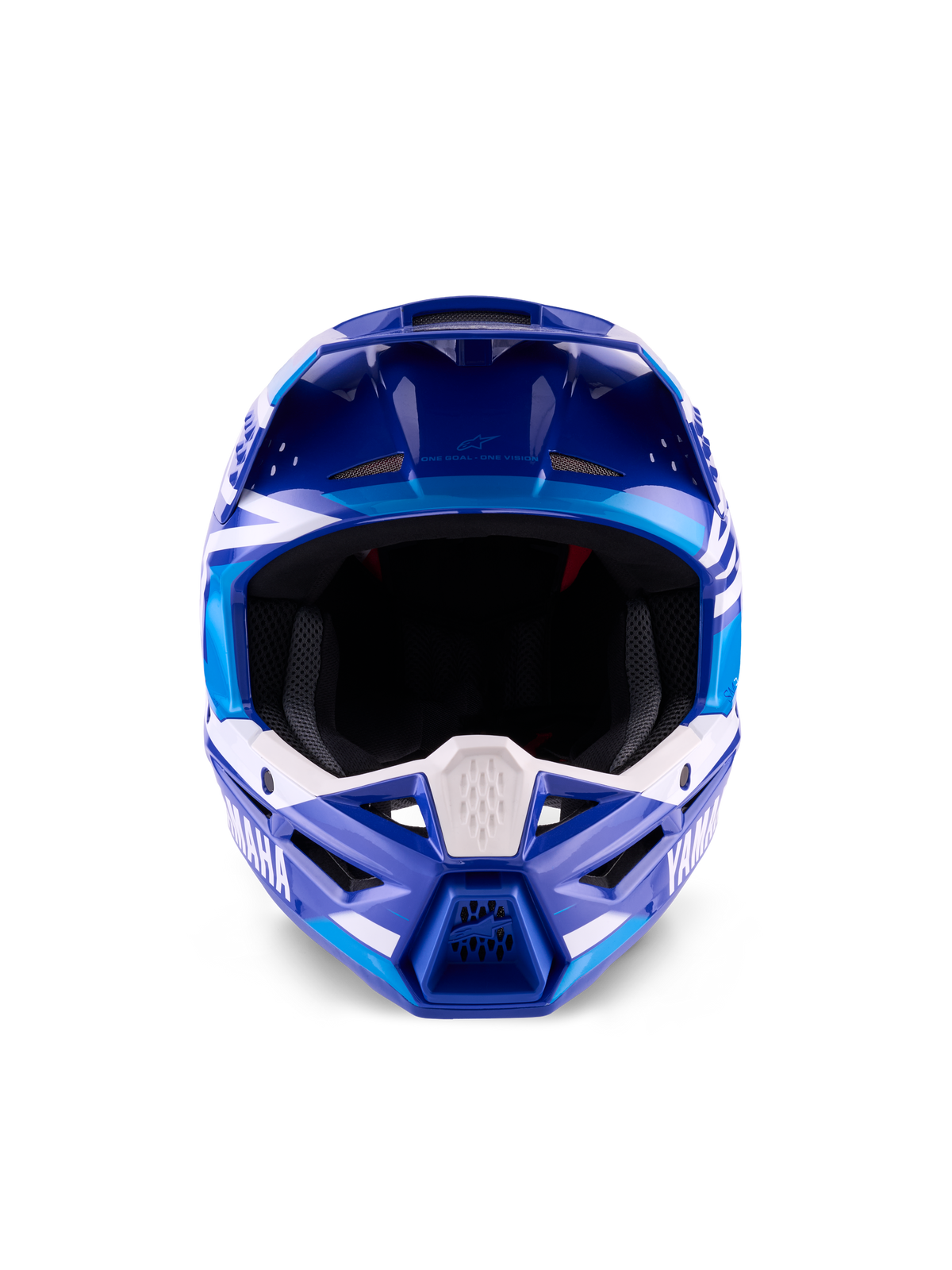
Yamaha S-M3 Youth Helmet ECE 22.06 -
Yamaha S-M3 Helmet ECE 22.06 -
S-M7 Rise Helmet ECE 22.06 -
S-M7 Rise Helmet ECE 22.06 -
S-M3 Heat Helmet ECE 22.06 -
S-M3 Fray Helmet ECE 22.06 -
S-M3 Fray Helmet ECE 22.06 -
S-M3 Heat Helmet ECE 22.06 -
S-M7 Solid Helmet ECE 22.06 -
S-M7 Core Helmet ECE 22.06 -
S-M3 Radium Helmet ECE 22.06 -
S-M7 Deed Helmet ECE 22.06 -
S-M3 Force OCD Helmet ECE 22.06 -
Supertech M10 Era Helmet ECE 22.06 -
S-M7 Dasher Helmet ECE 22.06 -
Supertech M10 Era Helmet ECE 22.06









































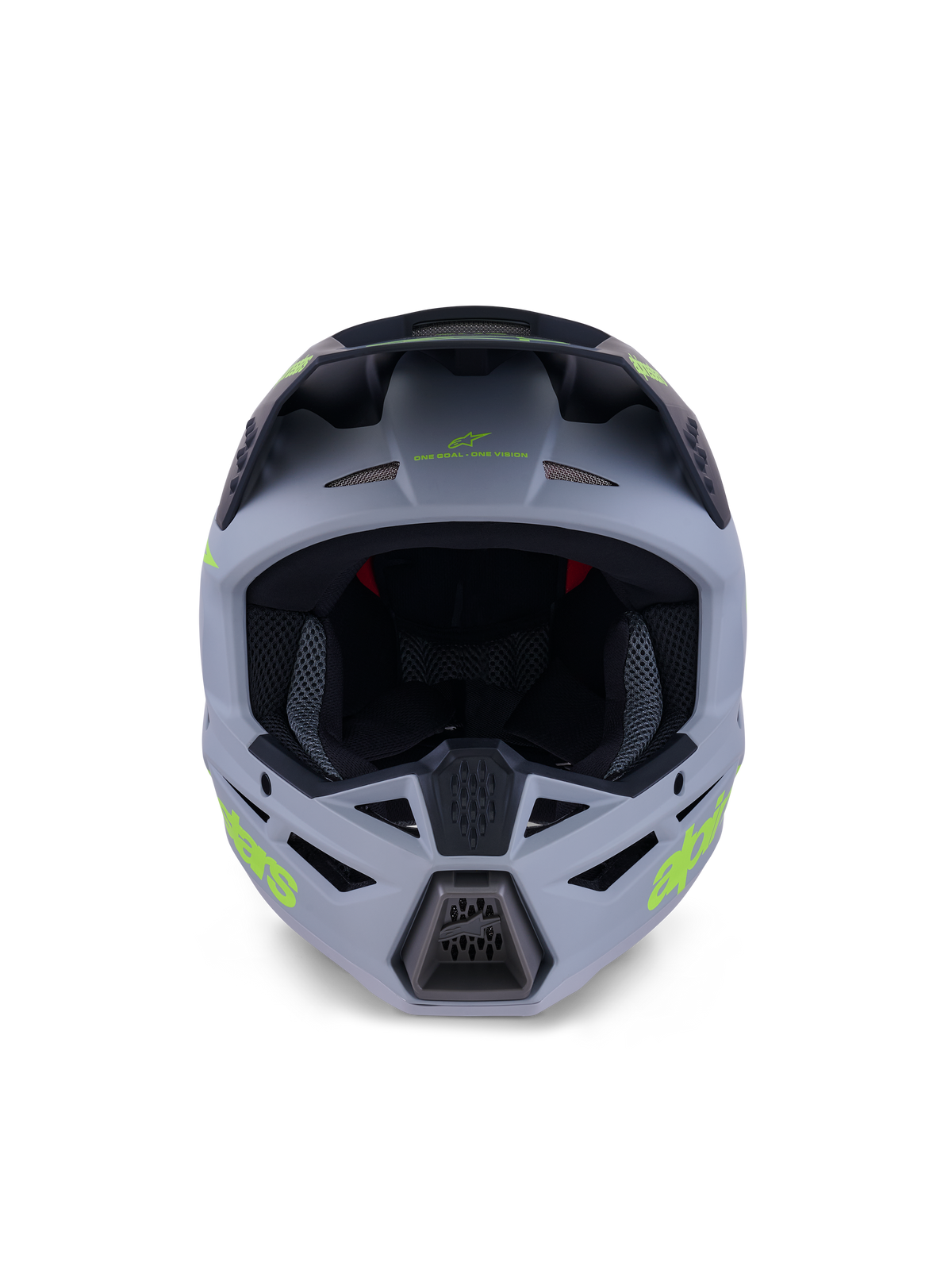

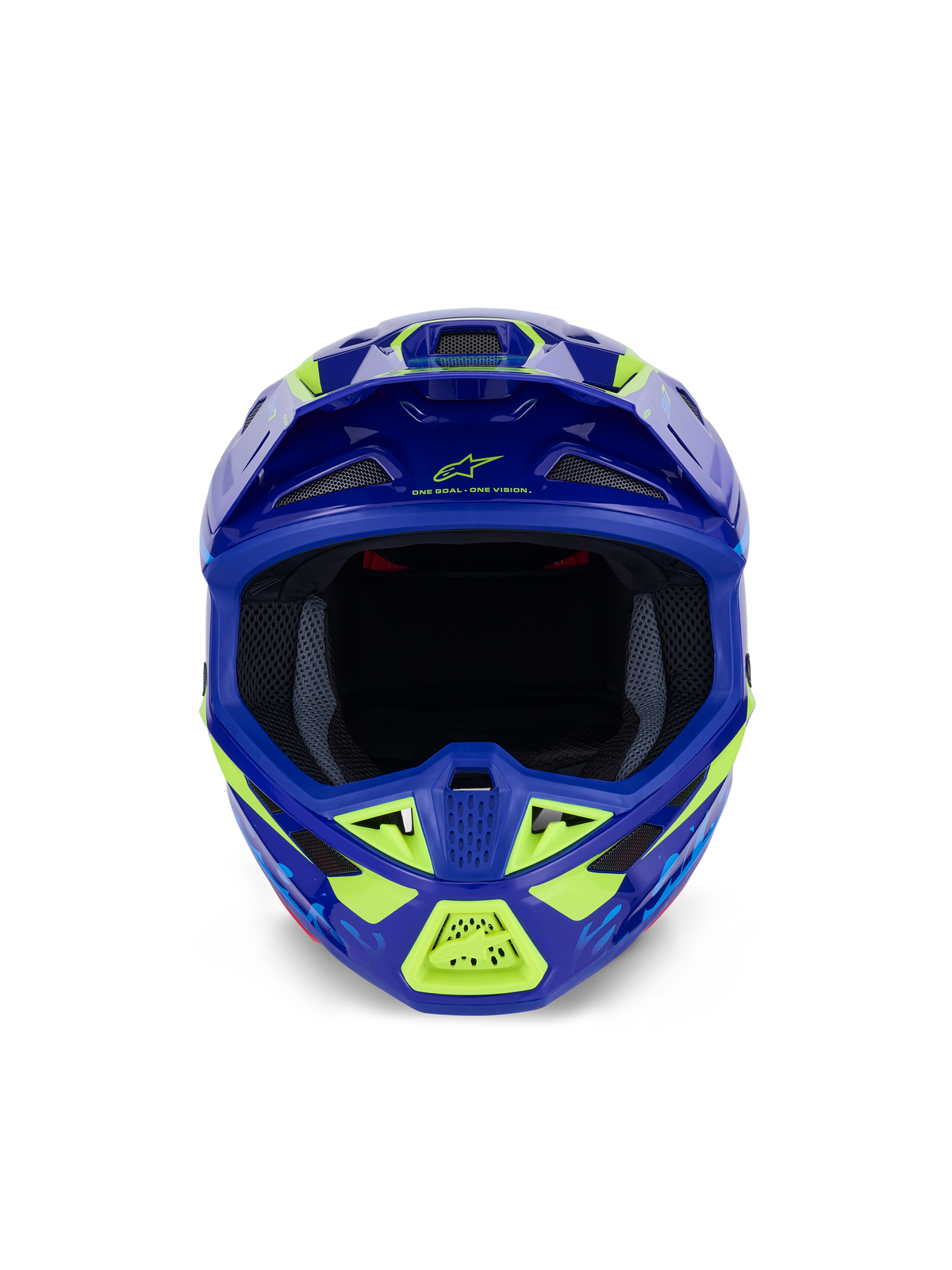


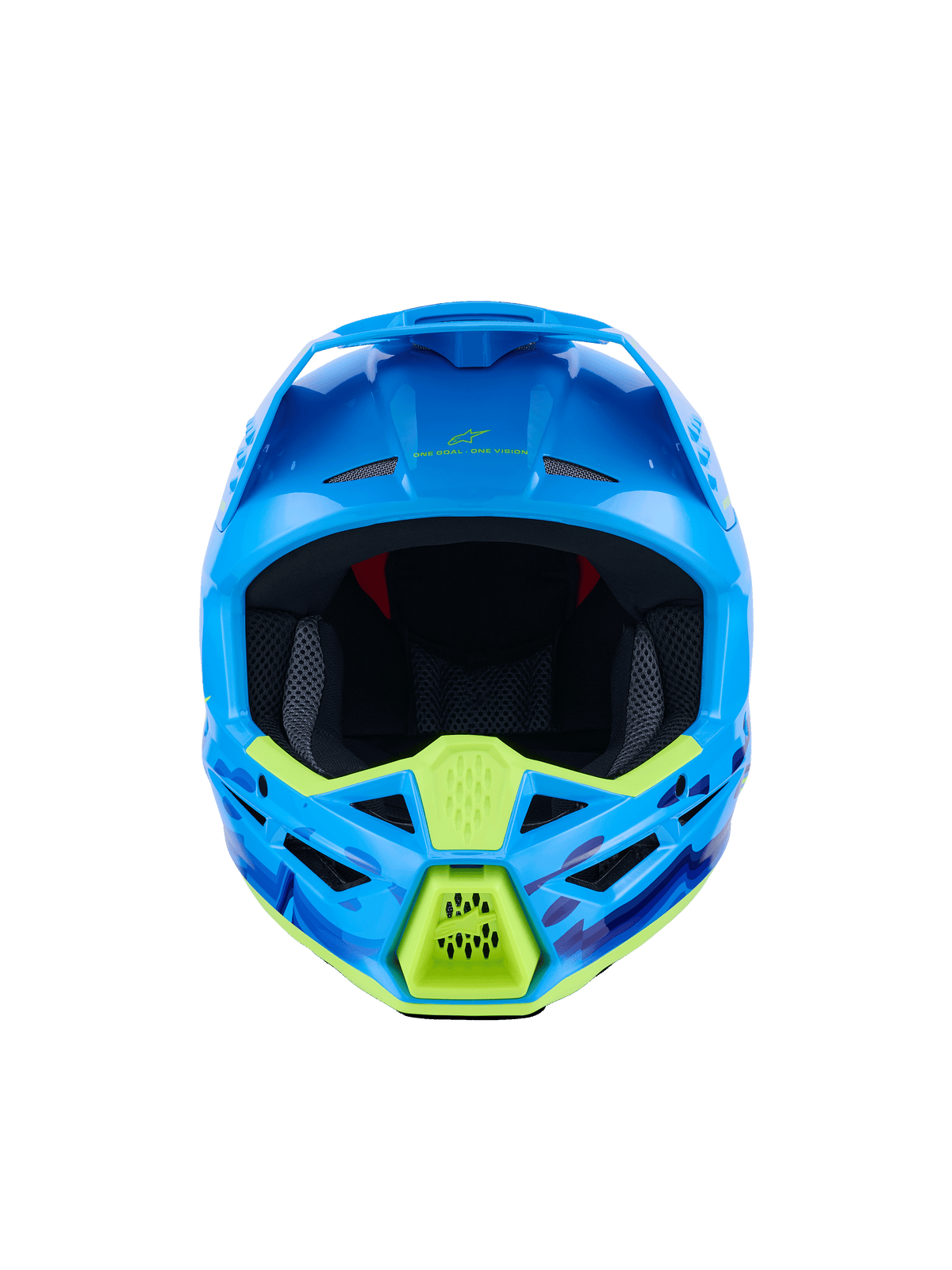


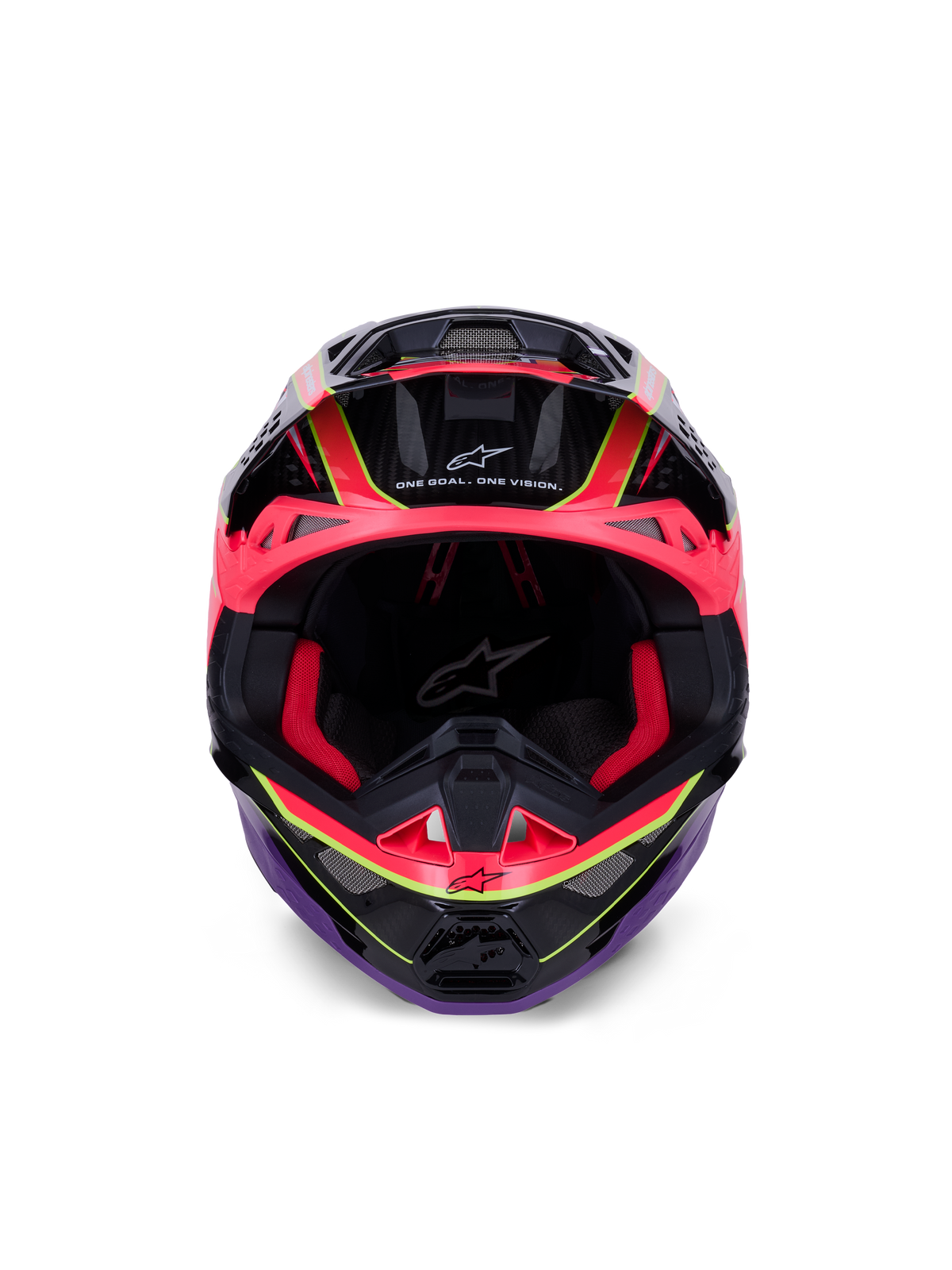


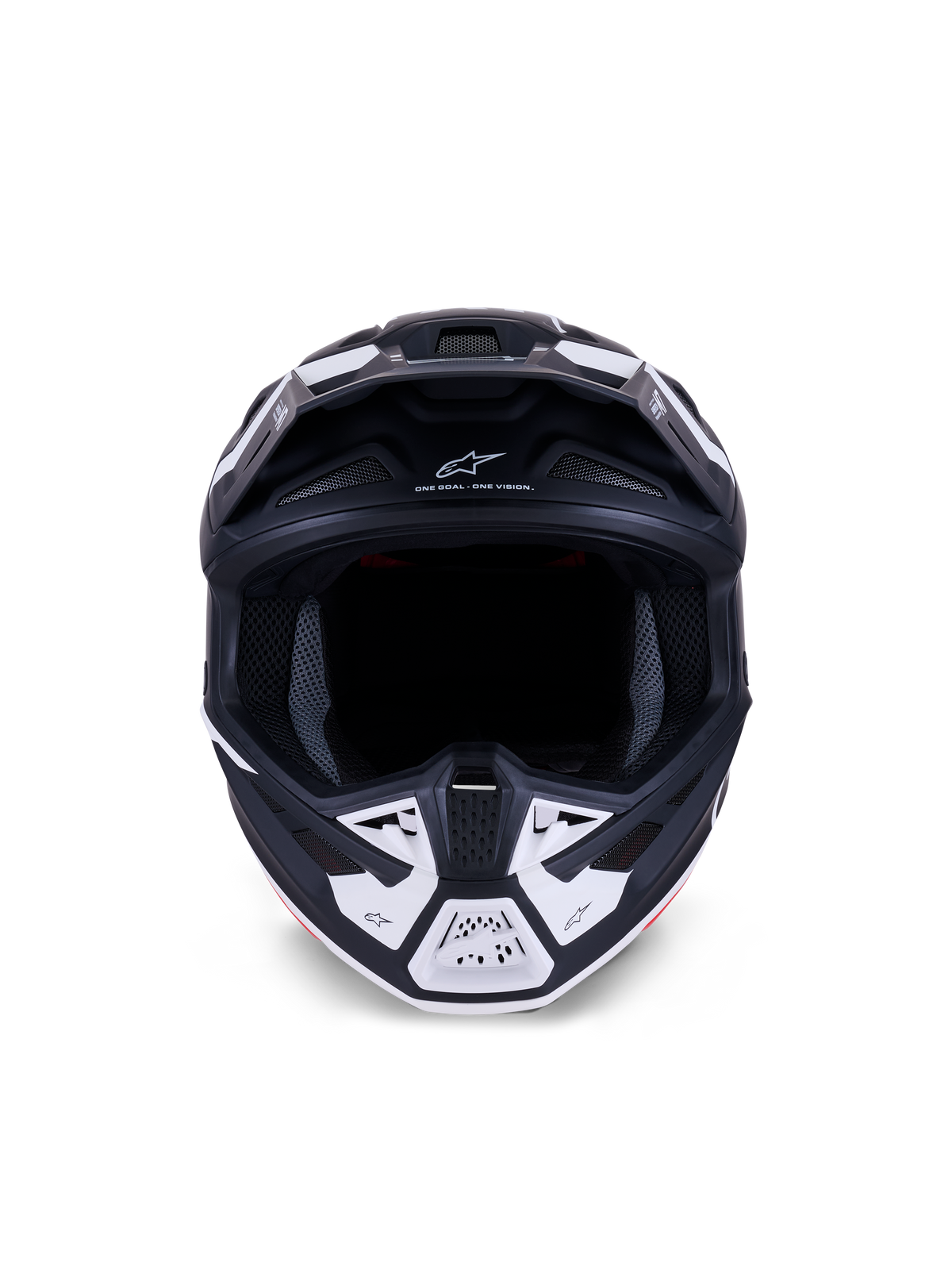

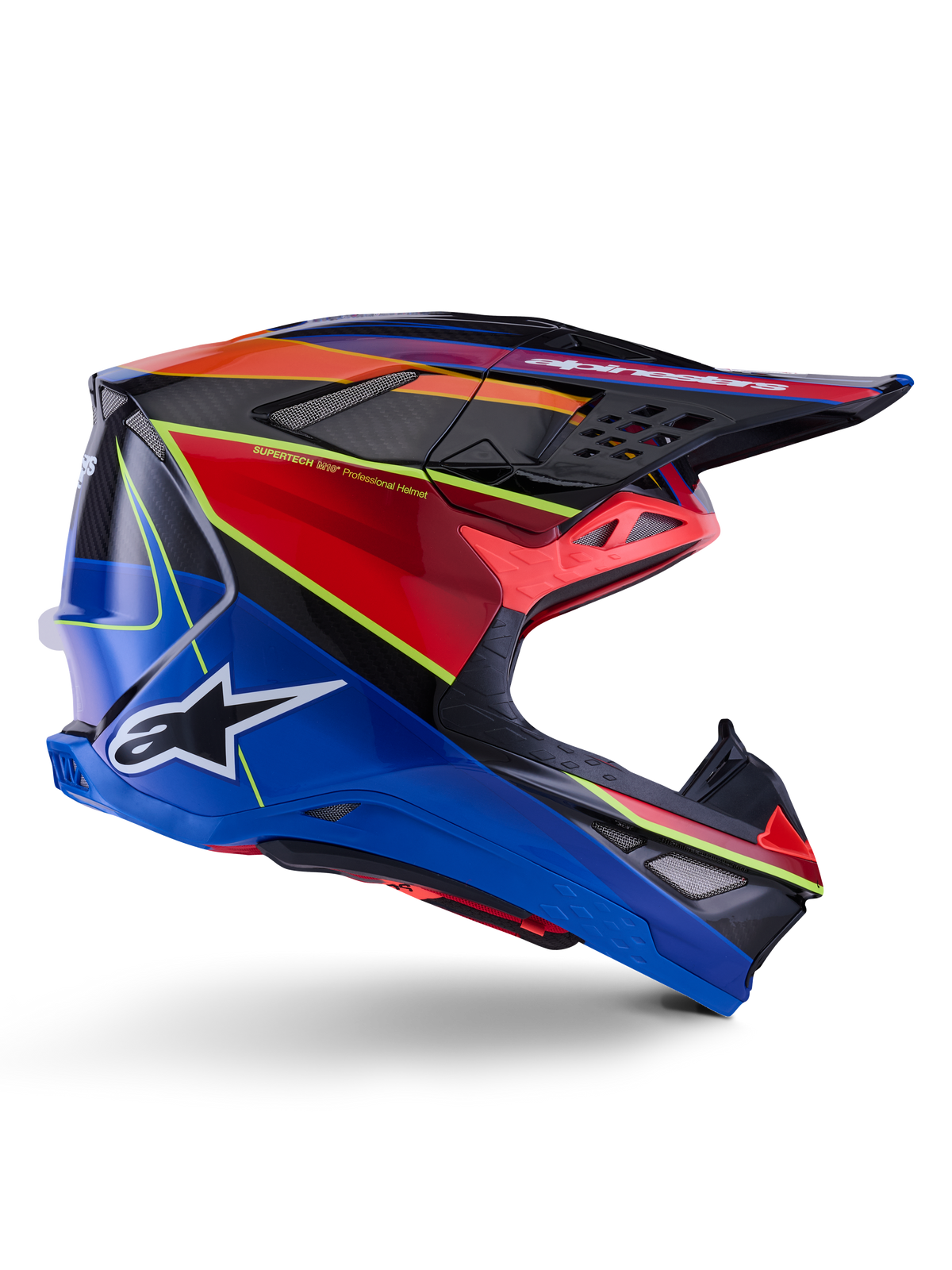
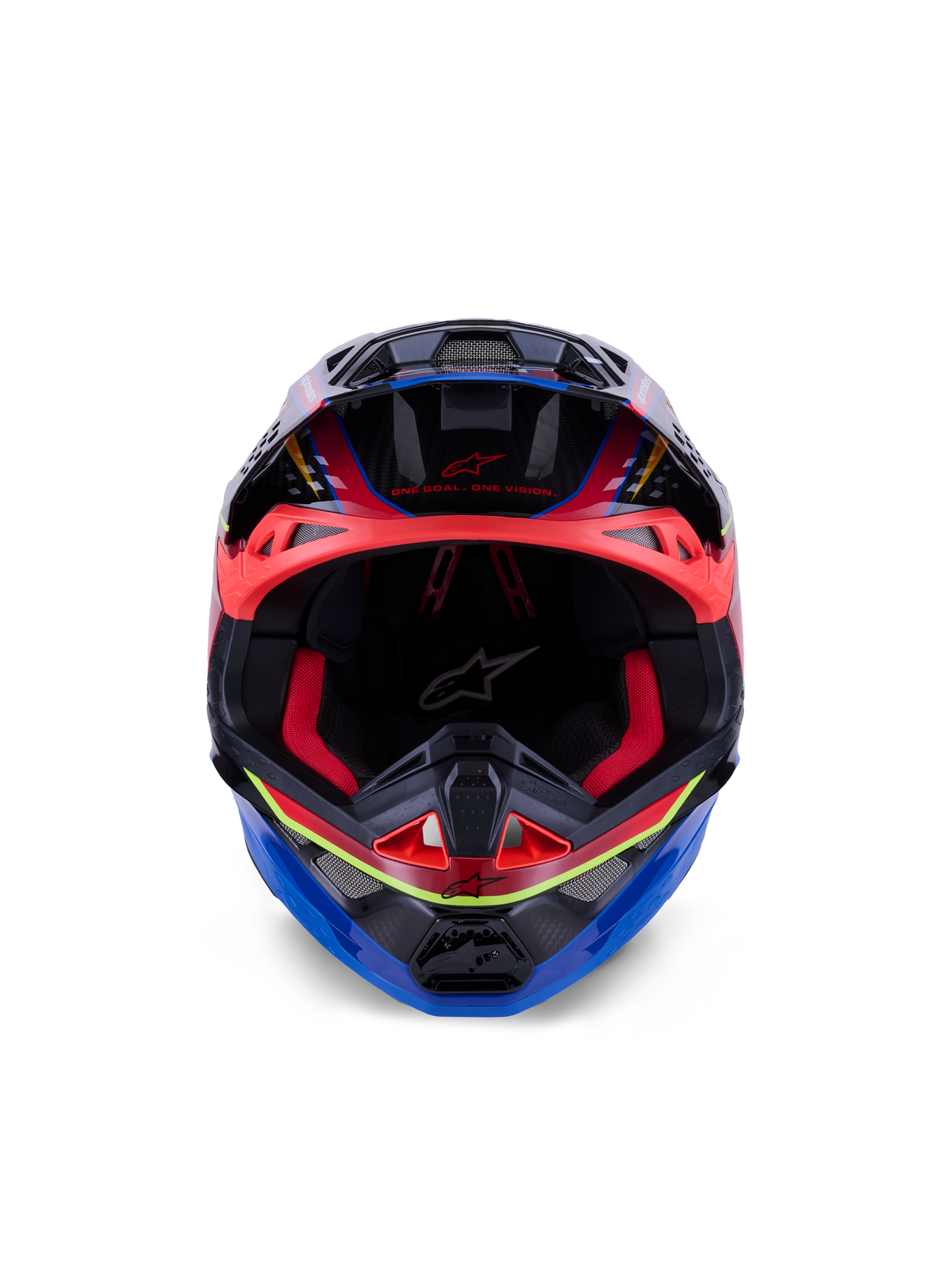
Frequently asked questions Hide FAQs
What are lightweight motocross helmets designed for?
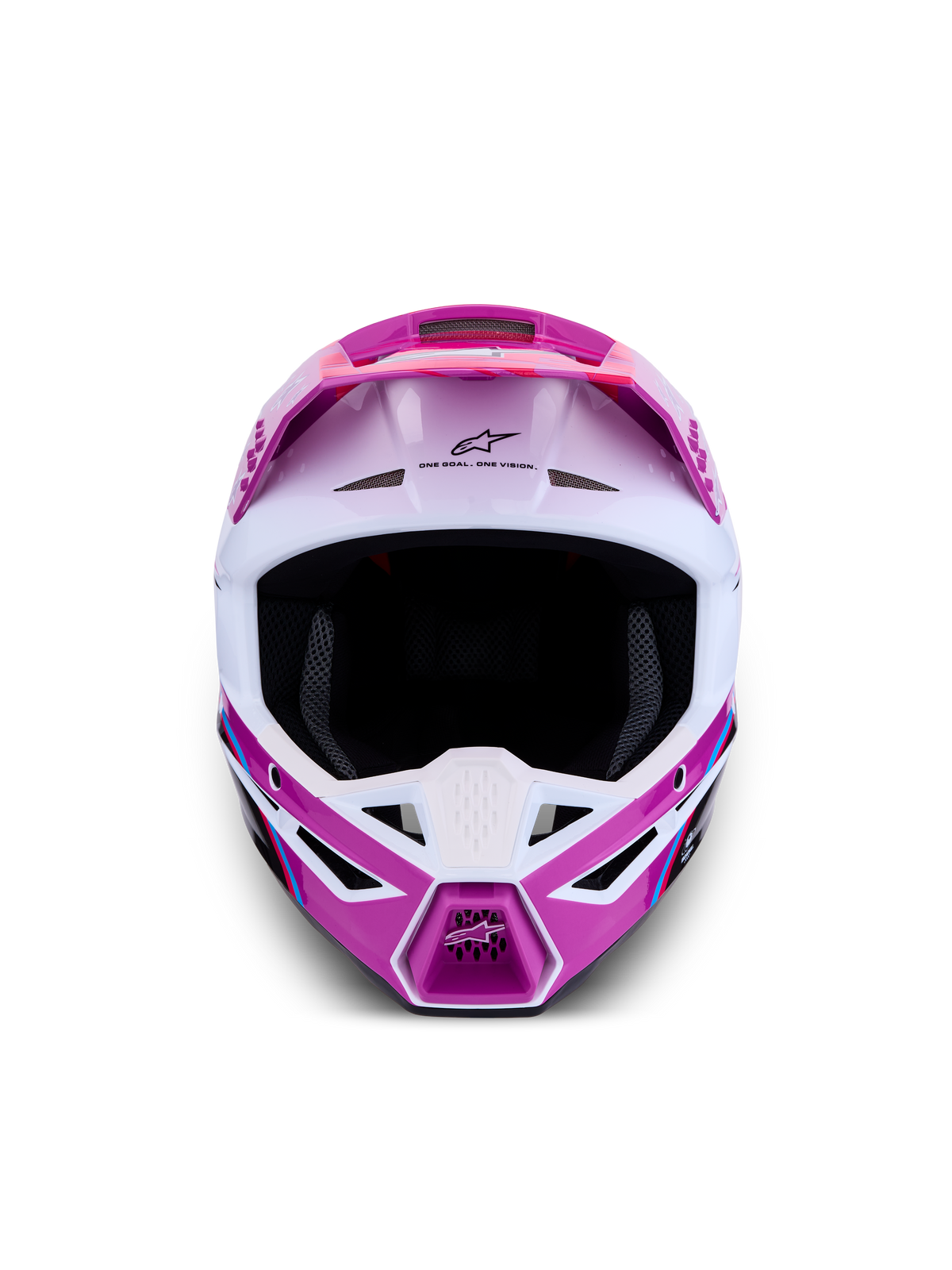
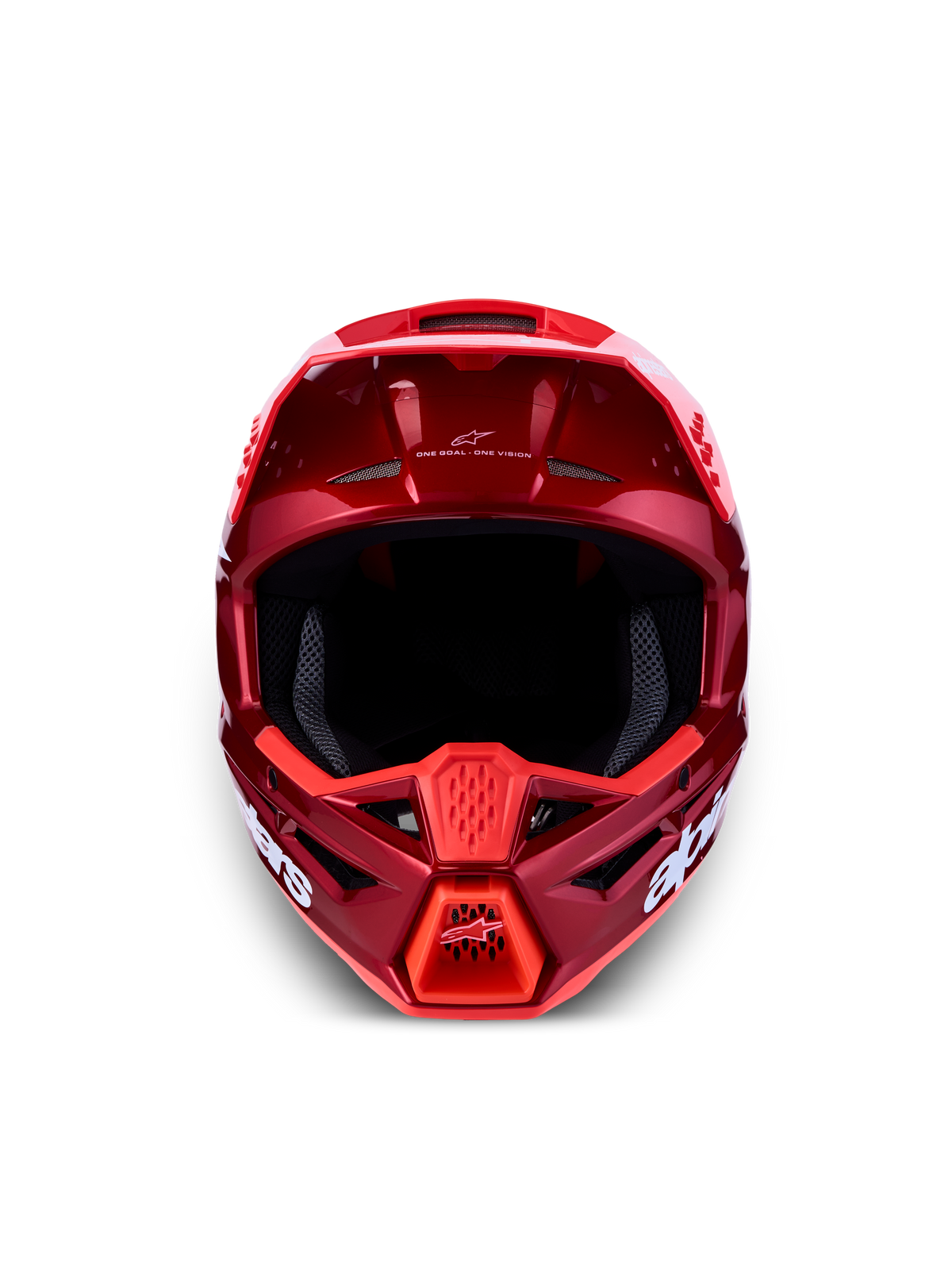
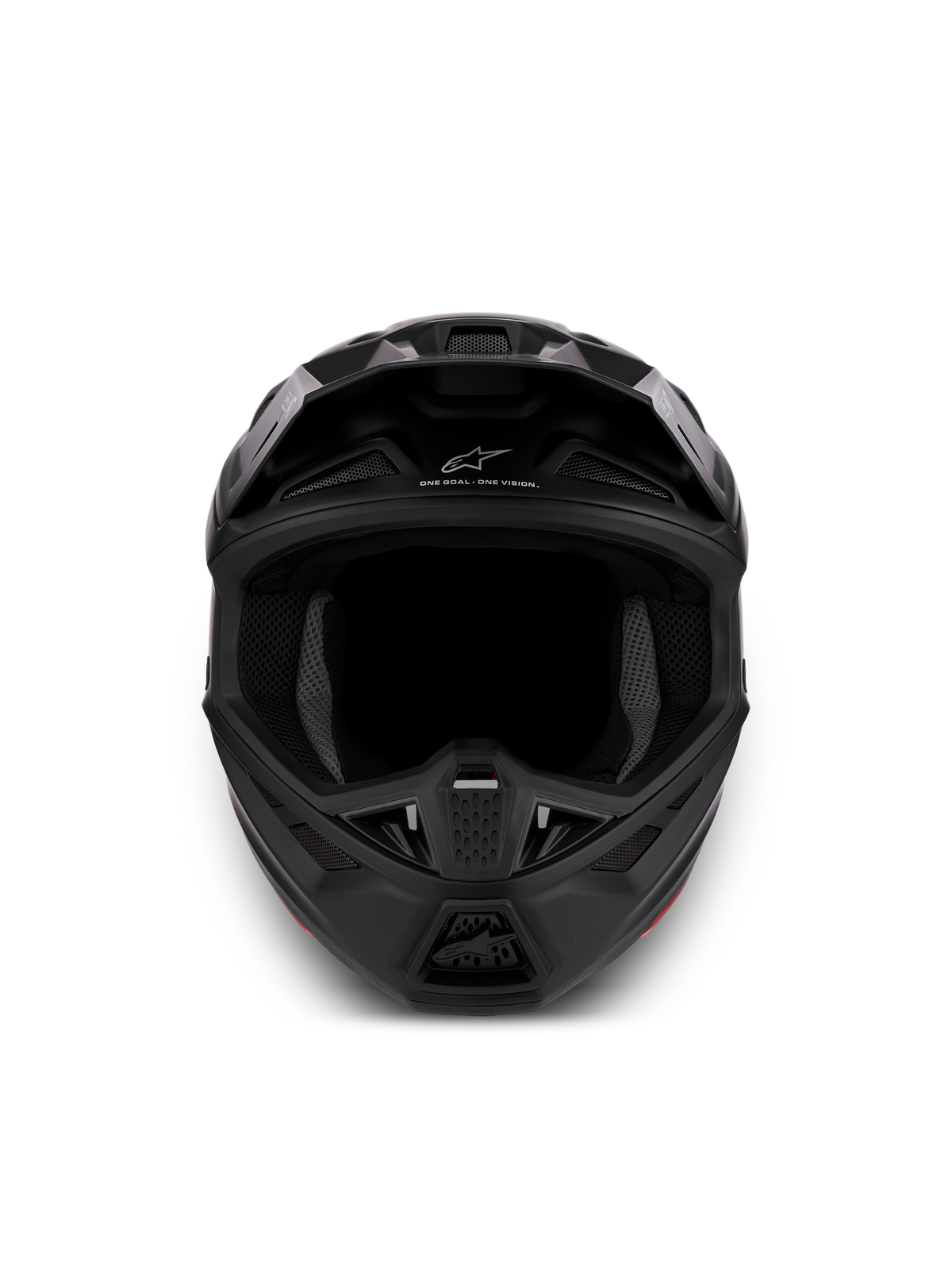
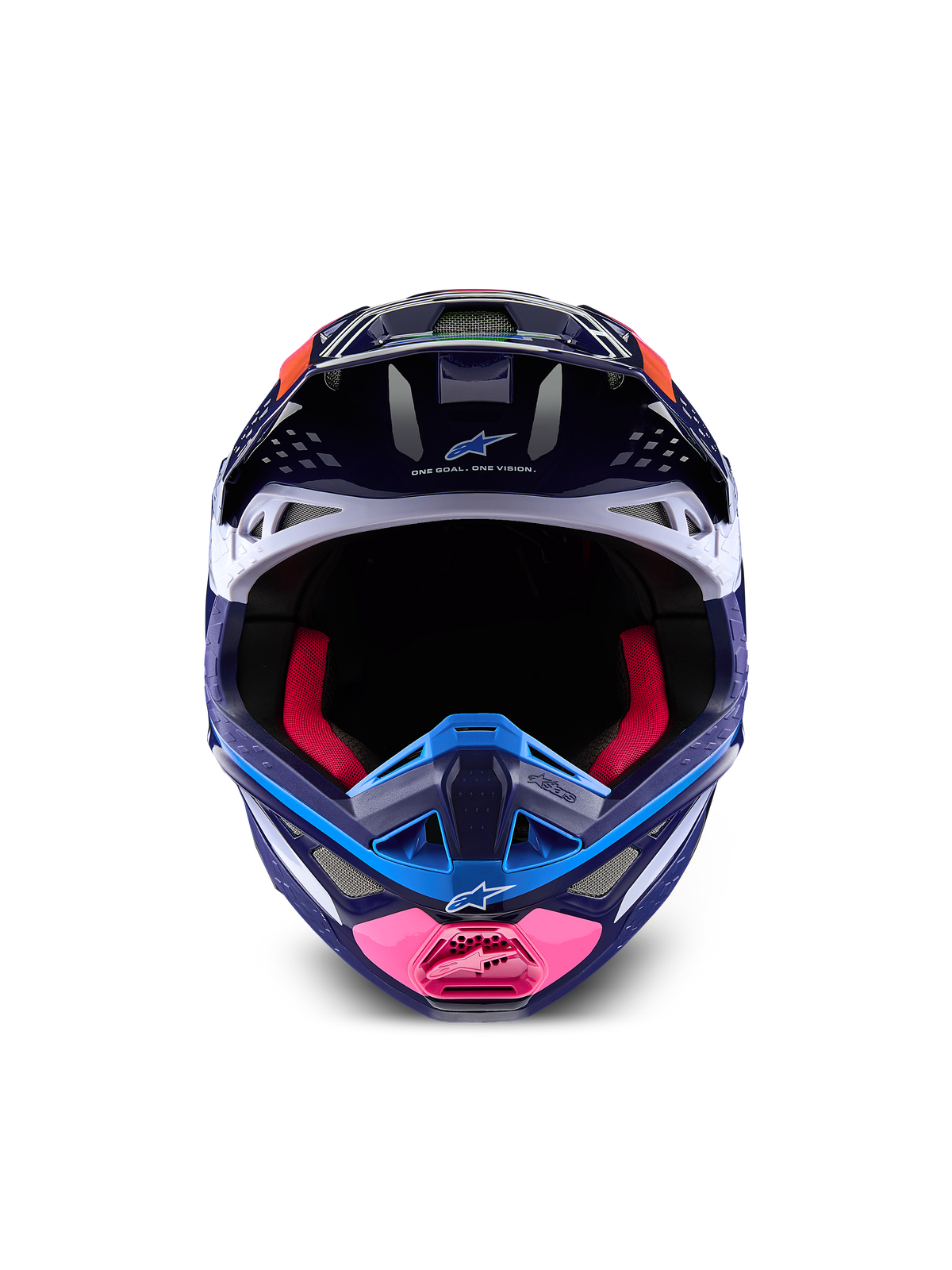
Lightweight motocross helmets are built for off-road riding where riders need strong impact management, high airflow, and reduced fatigue over long motos, practice sessions, and trail rides. Compared with heavier designs, a lower overall helmet mass can help reduce neck strain during repeated braking bumps, jumps, and direction changes.
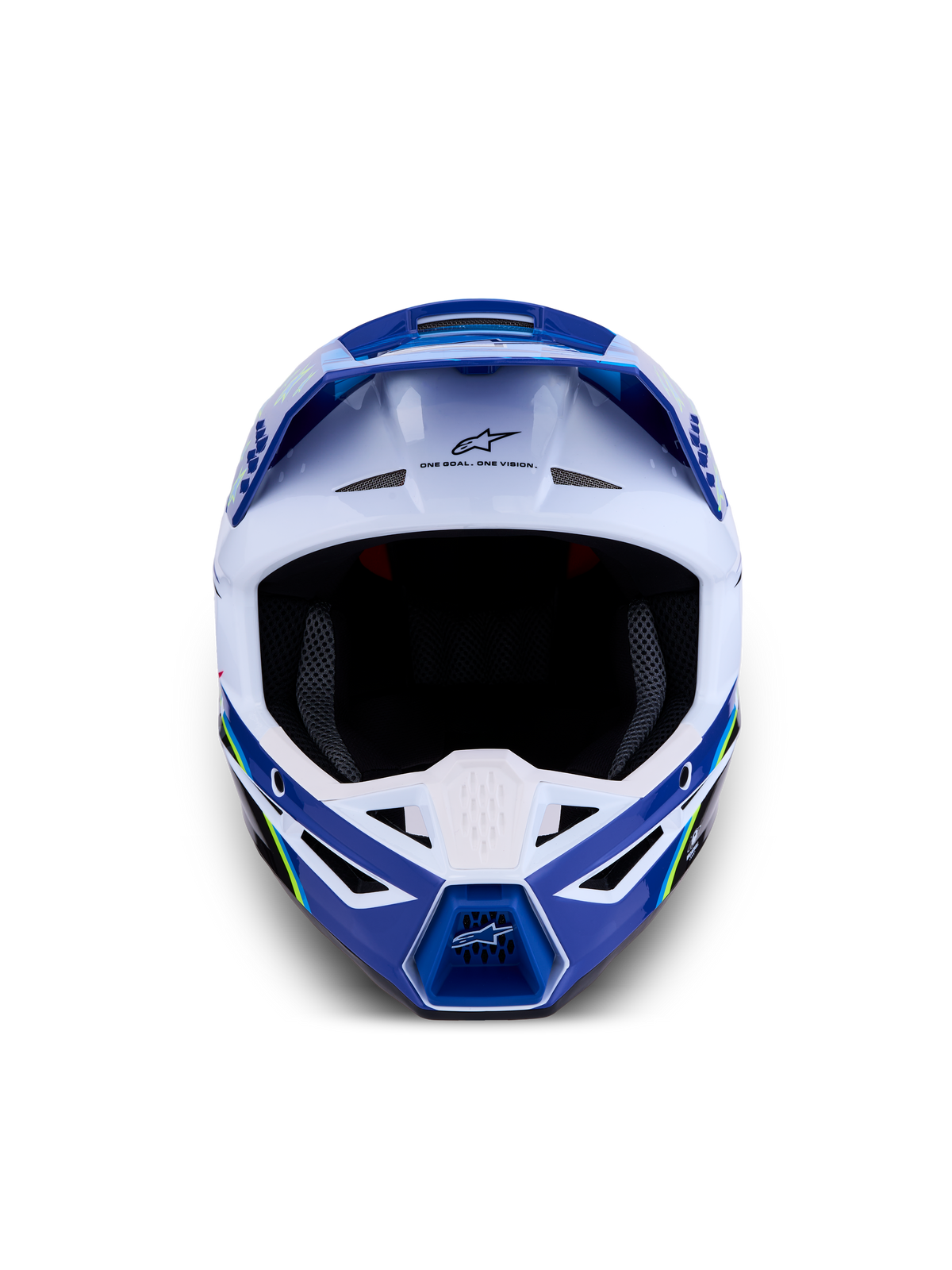
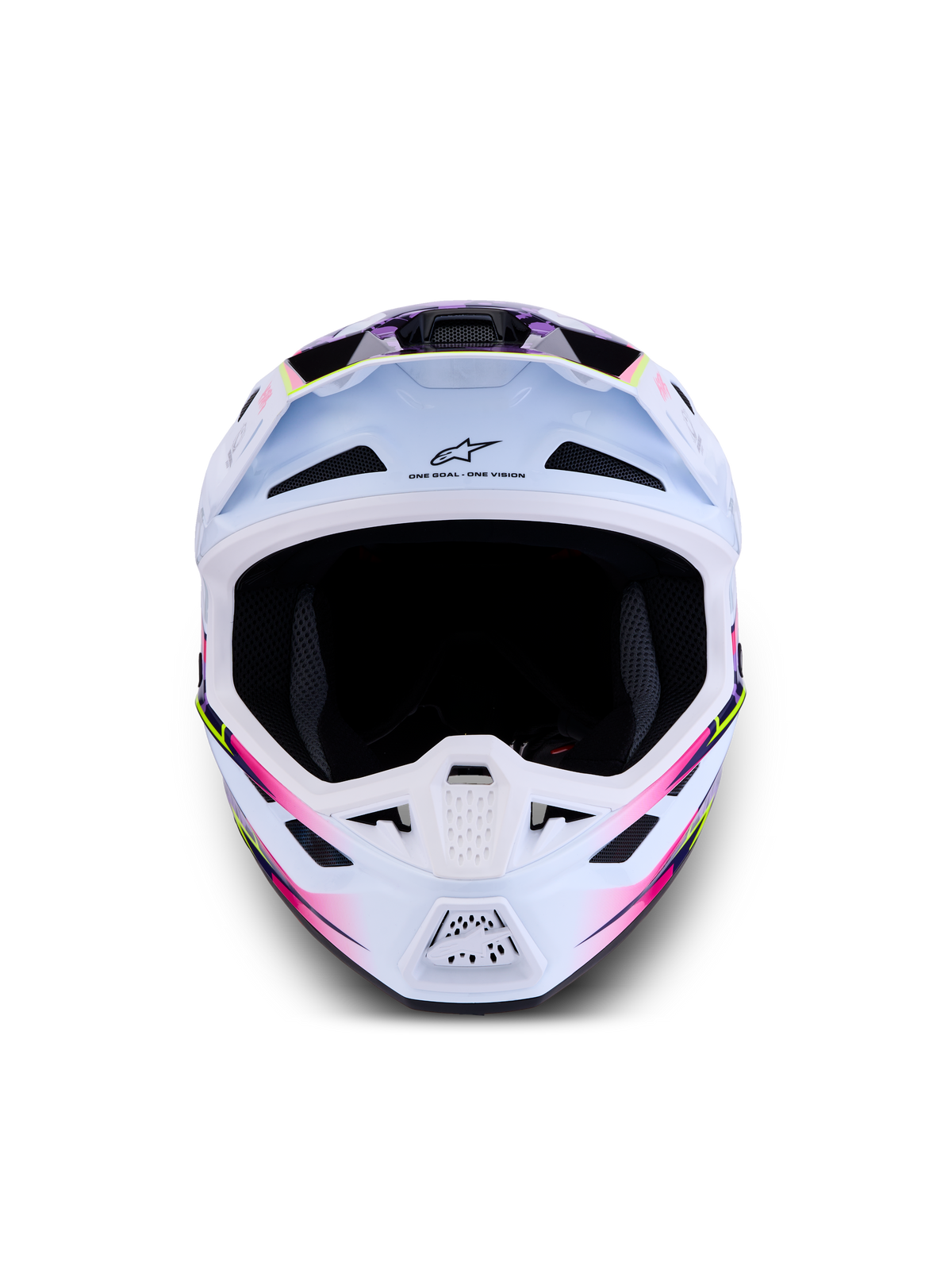
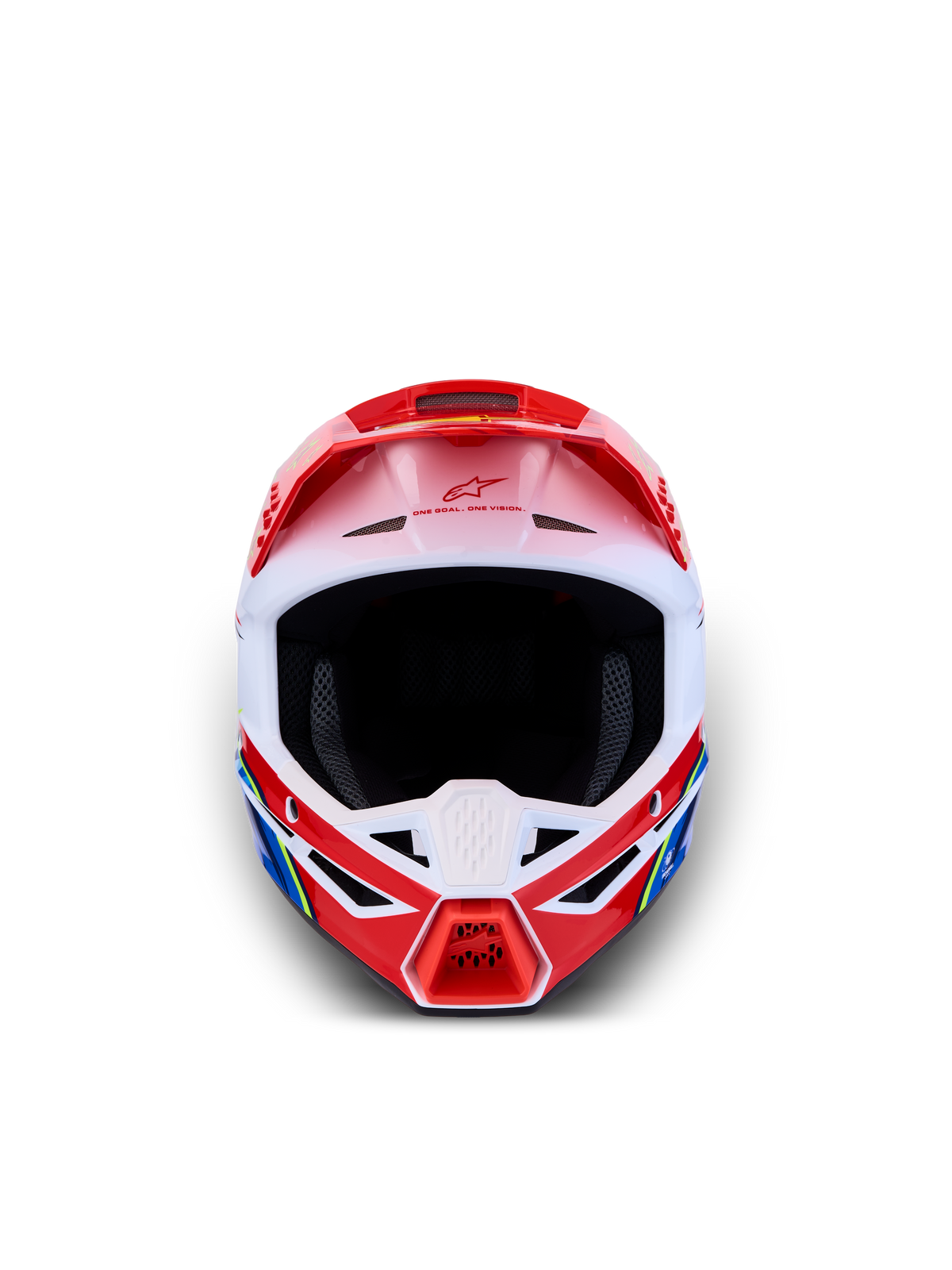
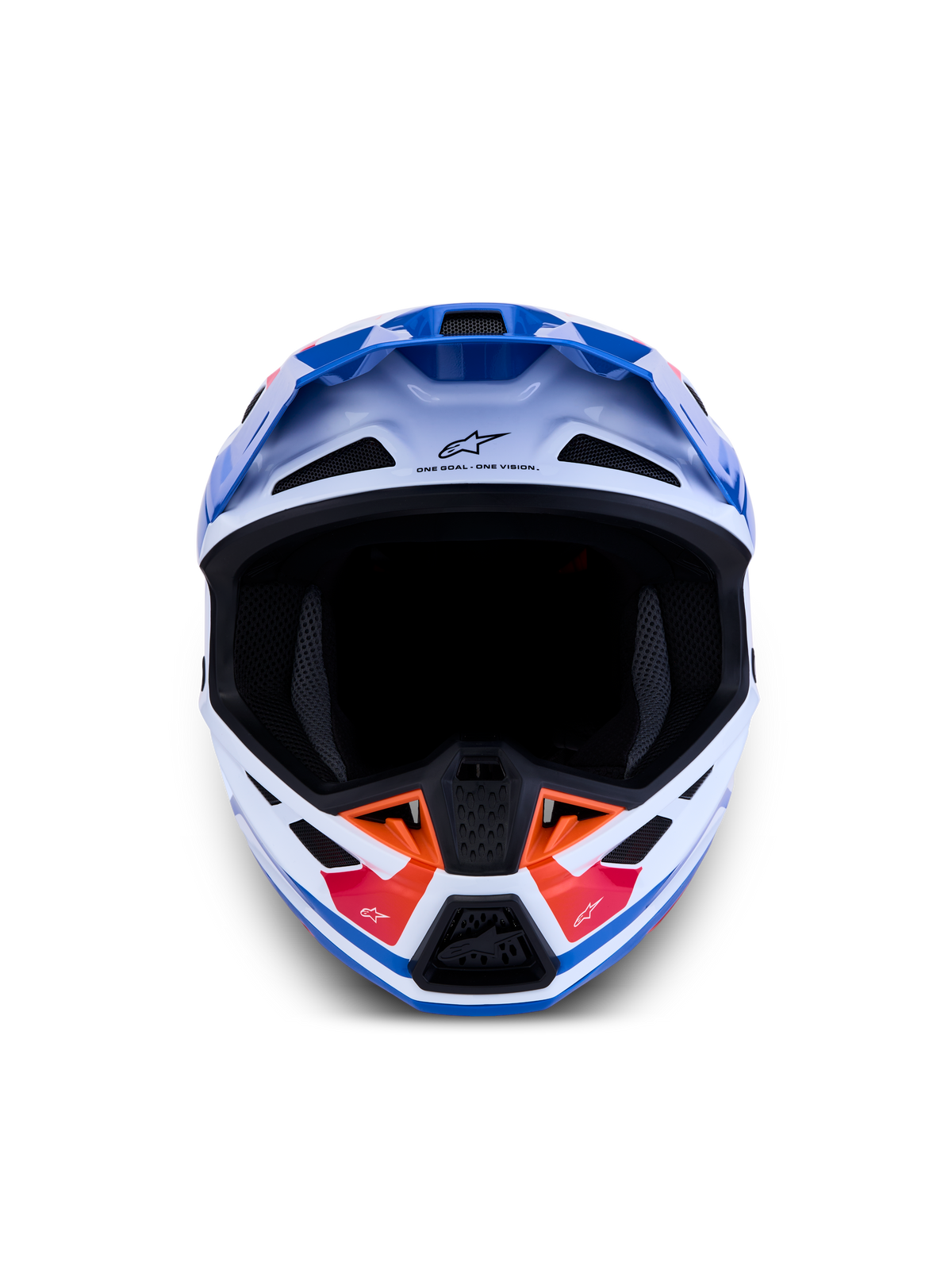
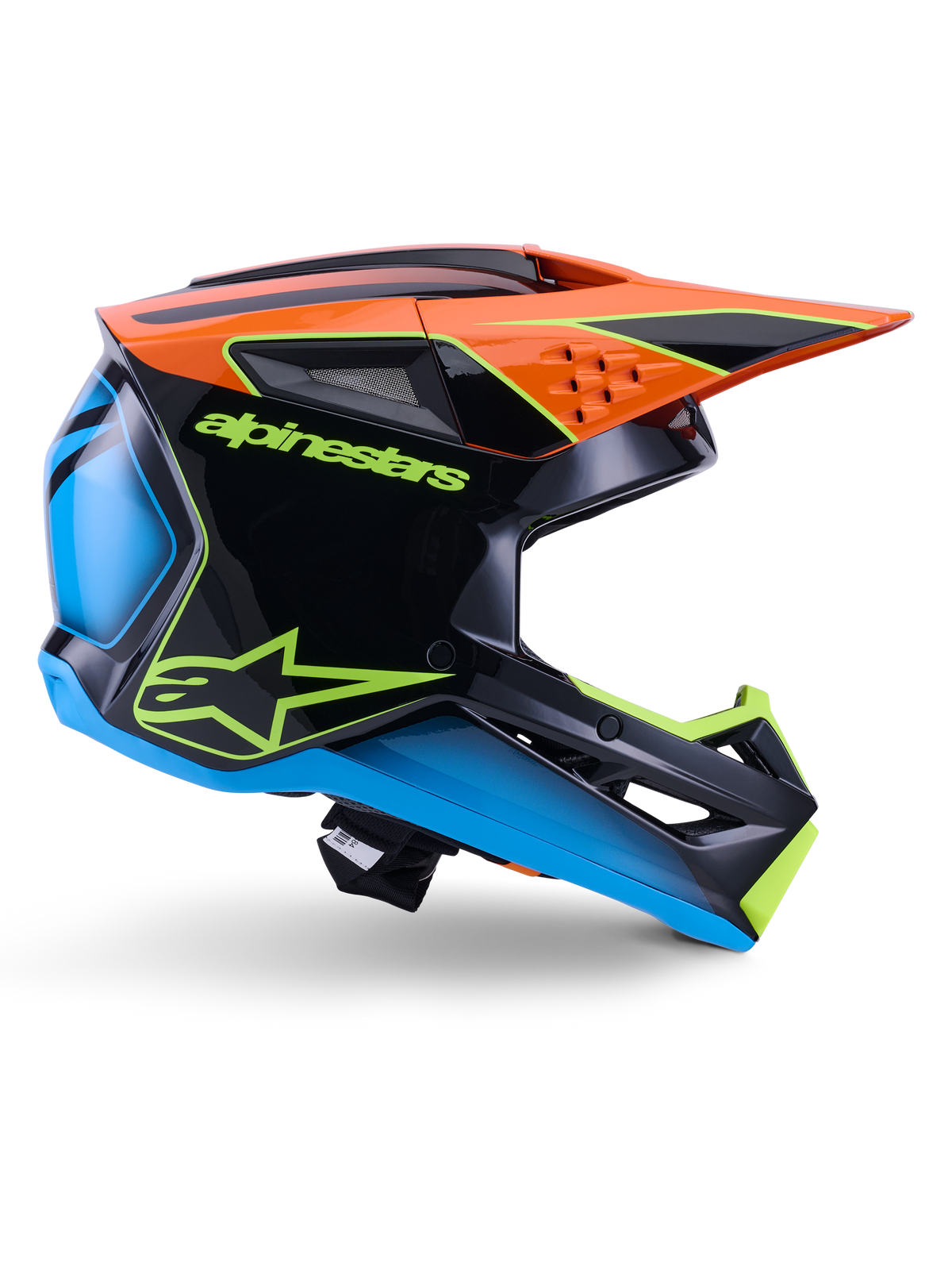
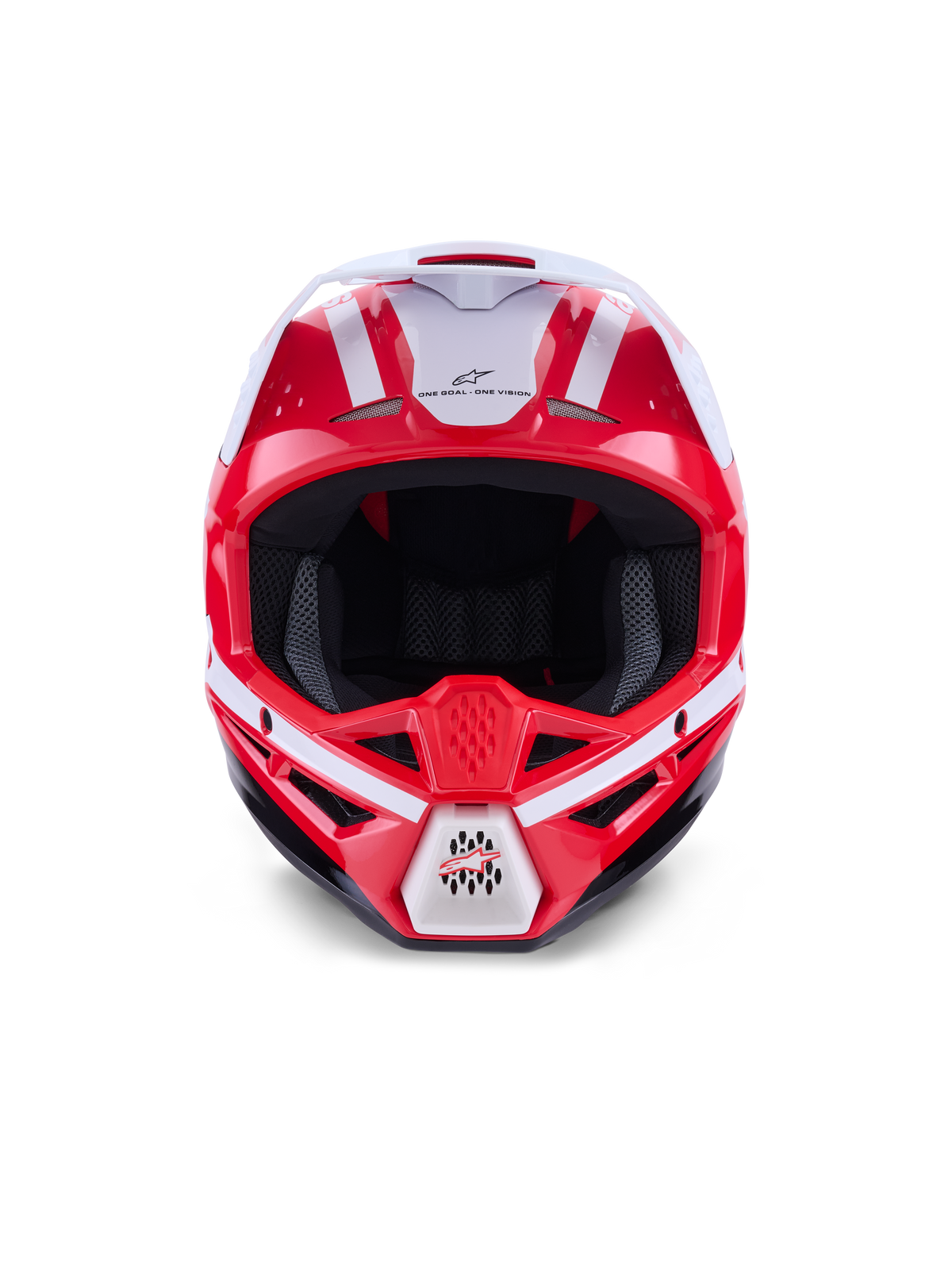
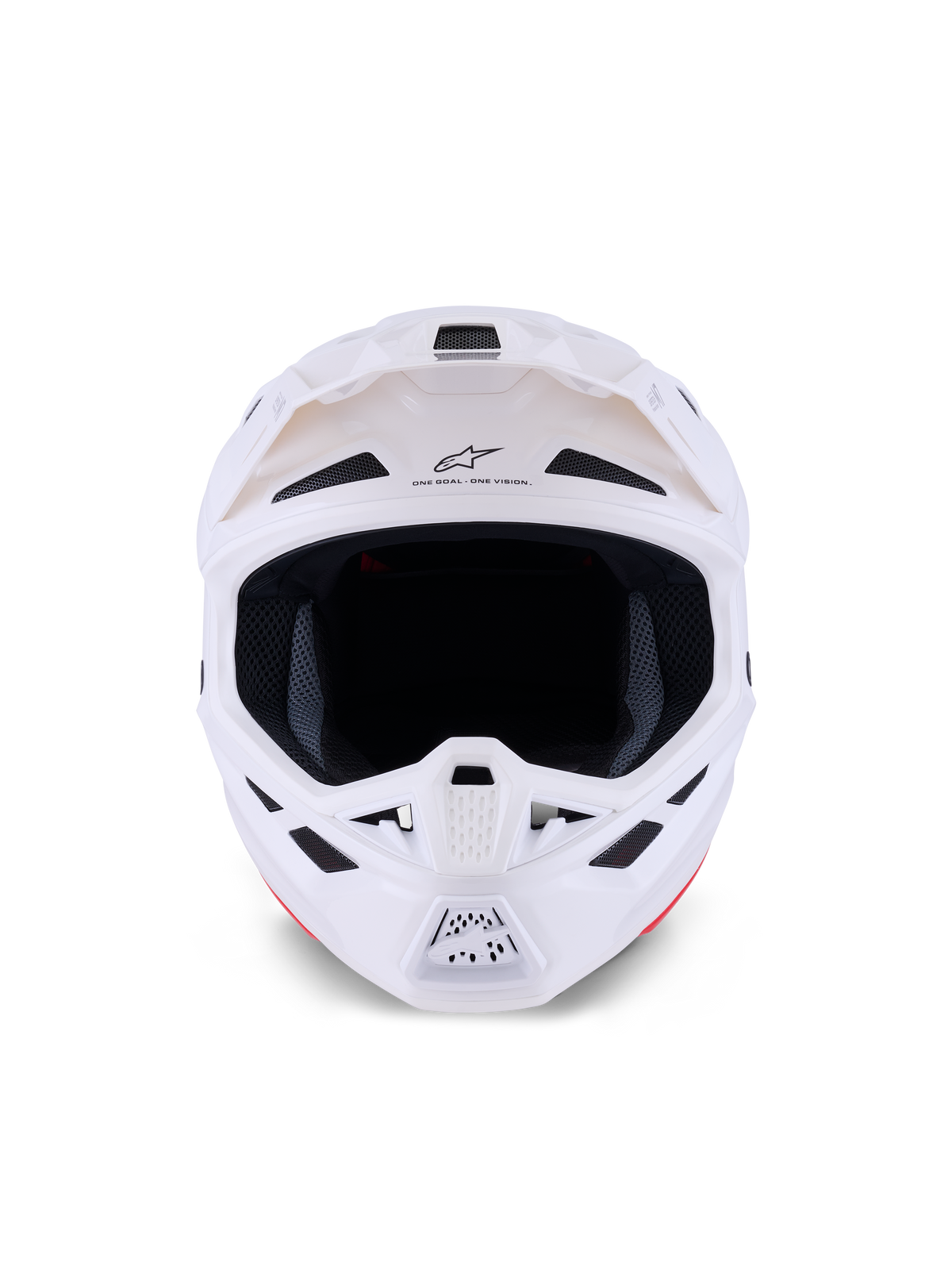
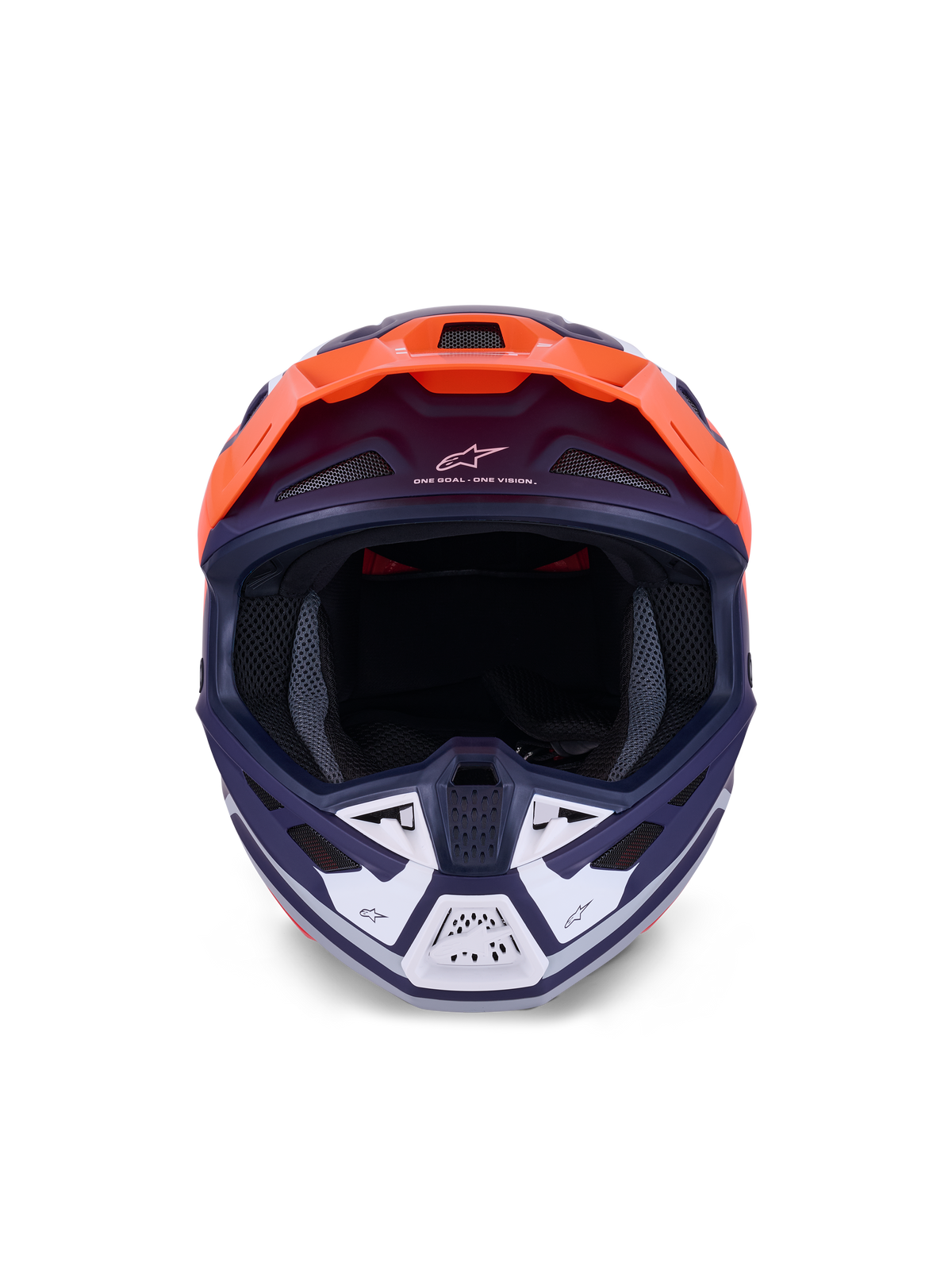
At collection level, these helmets are typically defined by off-road features such as a peak, a large eye port for goggles, an extended chin bar, and aggressive ventilation. They are intended for motocross and other dirt-focused riding rather than the closed-shield, higher-speed priorities of dedicated street helmets.
How should a lightweight motocross helmet fit and how do I choose the right size?
A motocross helmet should fit snugly and evenly around the head without painful pressure points. The crown should feel secure, the cheek pads should sit firmly against the face, and the helmet should stay stable when you rotate your head or gently try to move the helmet by hand.
To choose the right size, measure head circumference around the widest part of the head, usually just above the eyebrows, then compare that measurement with the Alpinestars size chart. If you are between sizes, prioritize a secure performance fit, since comfort liners can settle slightly with use while a loose helmet will not become safer.
Are lightweight motocross helmets safe, and what certifications should I look for?
Yes. A lightweight motocross helmet can still deliver a high level of protection when its shell construction, energy-absorbing liner, and fit are properly engineered. Lower weight alone does not define safety; the key factors are certified impact performance, correct fit, stable retention, and design features that help manage crash forces.
For this type of collection, riders commonly look for current certifications such as ECE 22.06 and, where applicable, DOT. Certification can vary by model and market, so the best approach is to confirm the exact approval listed on each product page before ordering.
Are lightweight motocross helmets compatible with goggles and suitable for hot-weather riding?
Yes. Motocross helmets are generally designed around goggle use, with a large eye port and helmet shape intended to support a secure seal and stable strap placement. That makes them well suited to dusty, muddy, and roost-heavy riding where goggles are the preferred eye protection system.
They are also commonly a strong choice for hot-weather off-road use because ventilation is a core part of MX helmet design. Large intake and exhaust vent layouts help move air through the helmet at lower off-road speeds, which is especially useful during technical riding and high-effort motos. If you also need eye protection options, you can browse goggles and accessories.
How do I clean and care for a lightweight motocross helmet?
After dusty or muddy rides, clean the exterior with a soft cloth, lukewarm water, and mild soap, avoiding harsh solvents or petroleum-based cleaners that can damage finishes and materials. Let the helmet dry naturally away from direct heat sources, since excessive heat can affect liners, adhesives, and shell components.
If the helmet has removable comfort liners or cheek pads, clean them according to the care guidance provided for that model and make sure they are fully dry before reinstallation. Regularly inspect the retention system, visor hardware, vent openings, and interior padding for wear or damage, and replace the helmet after a significant impact or when the manufacturer’s condition guidance indicates it should no longer be used.