10 results














Frequently asked questions Hide FAQs
What types of men's MTB jackets are included in this collection?
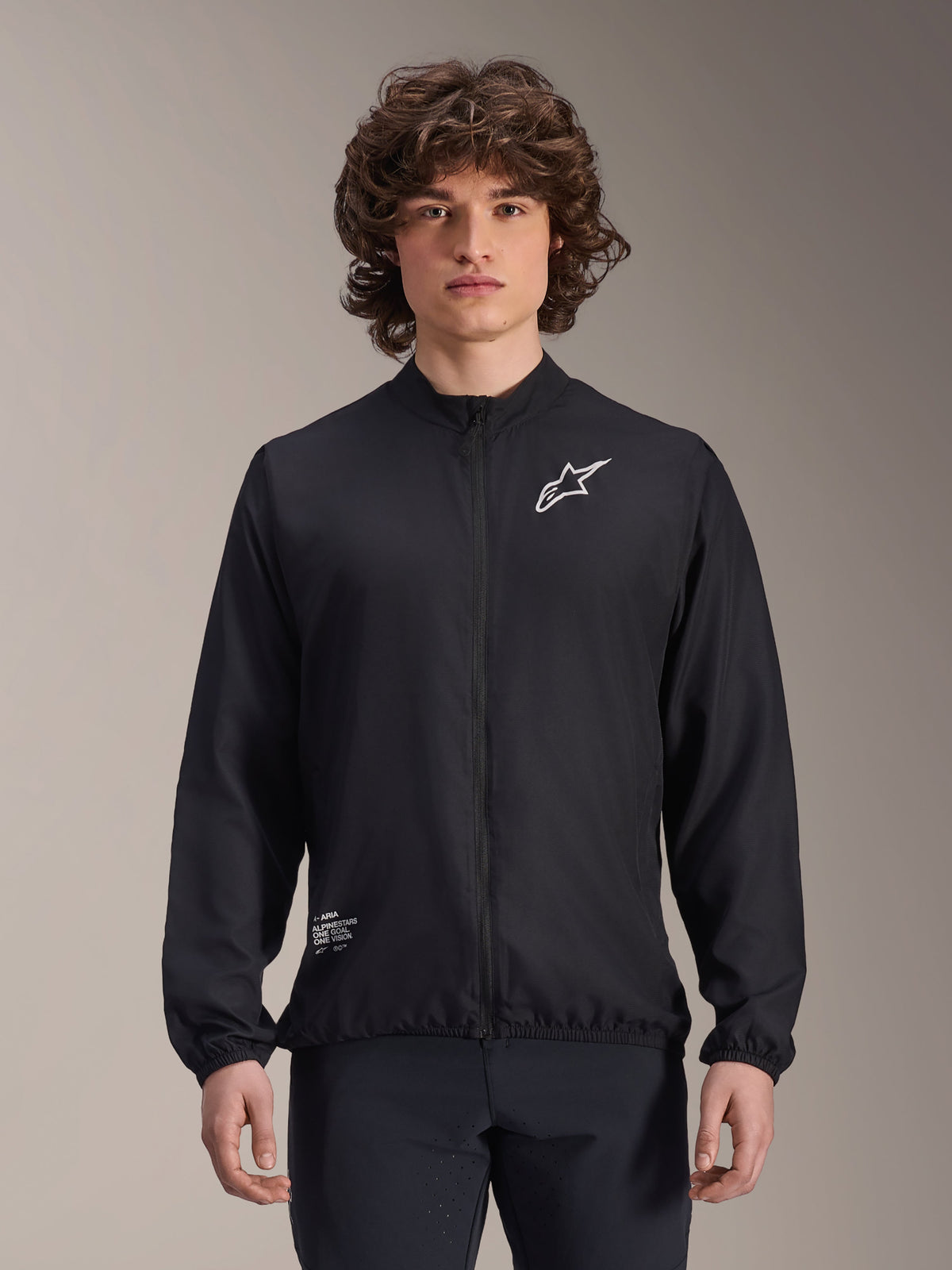
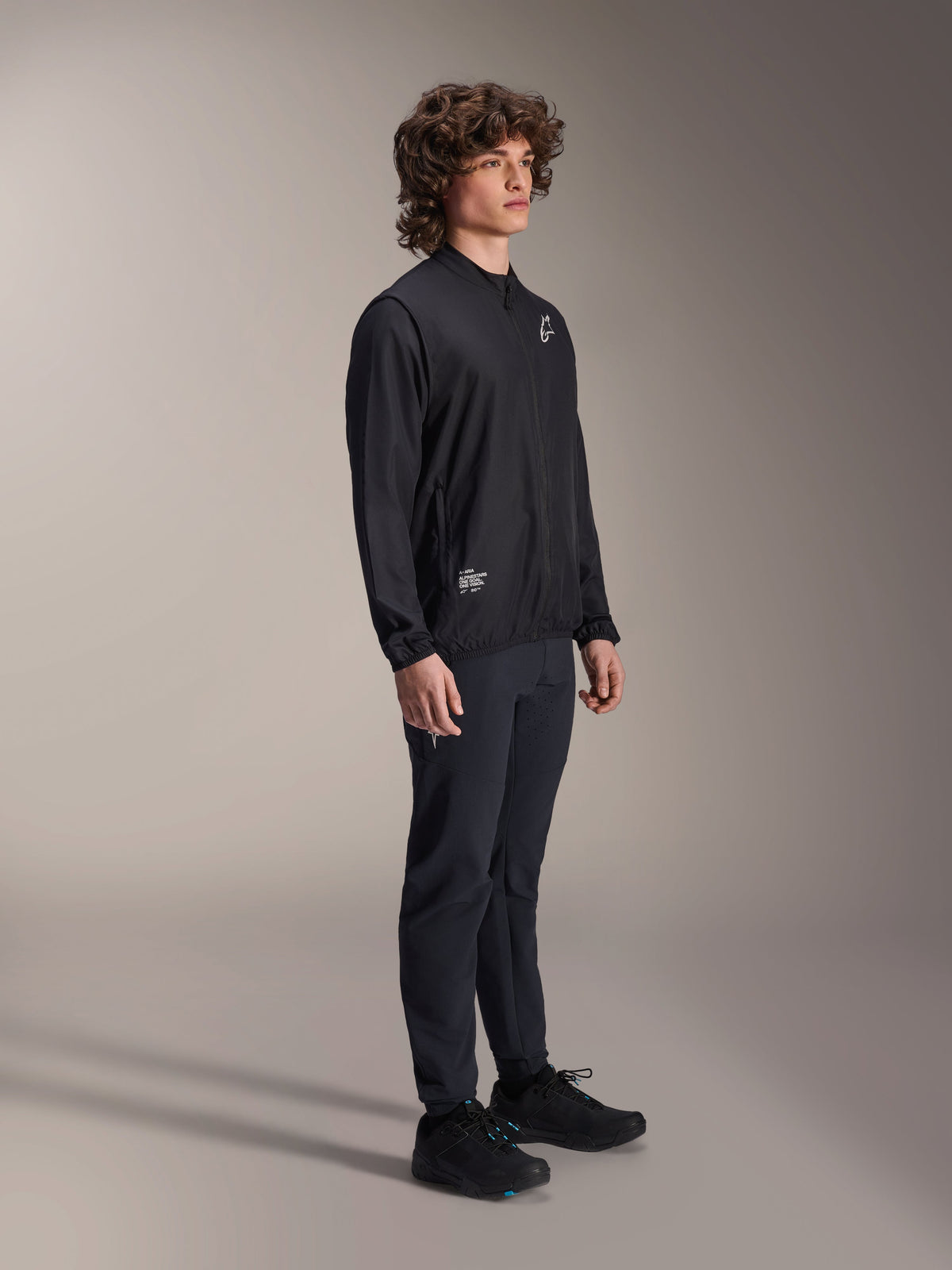
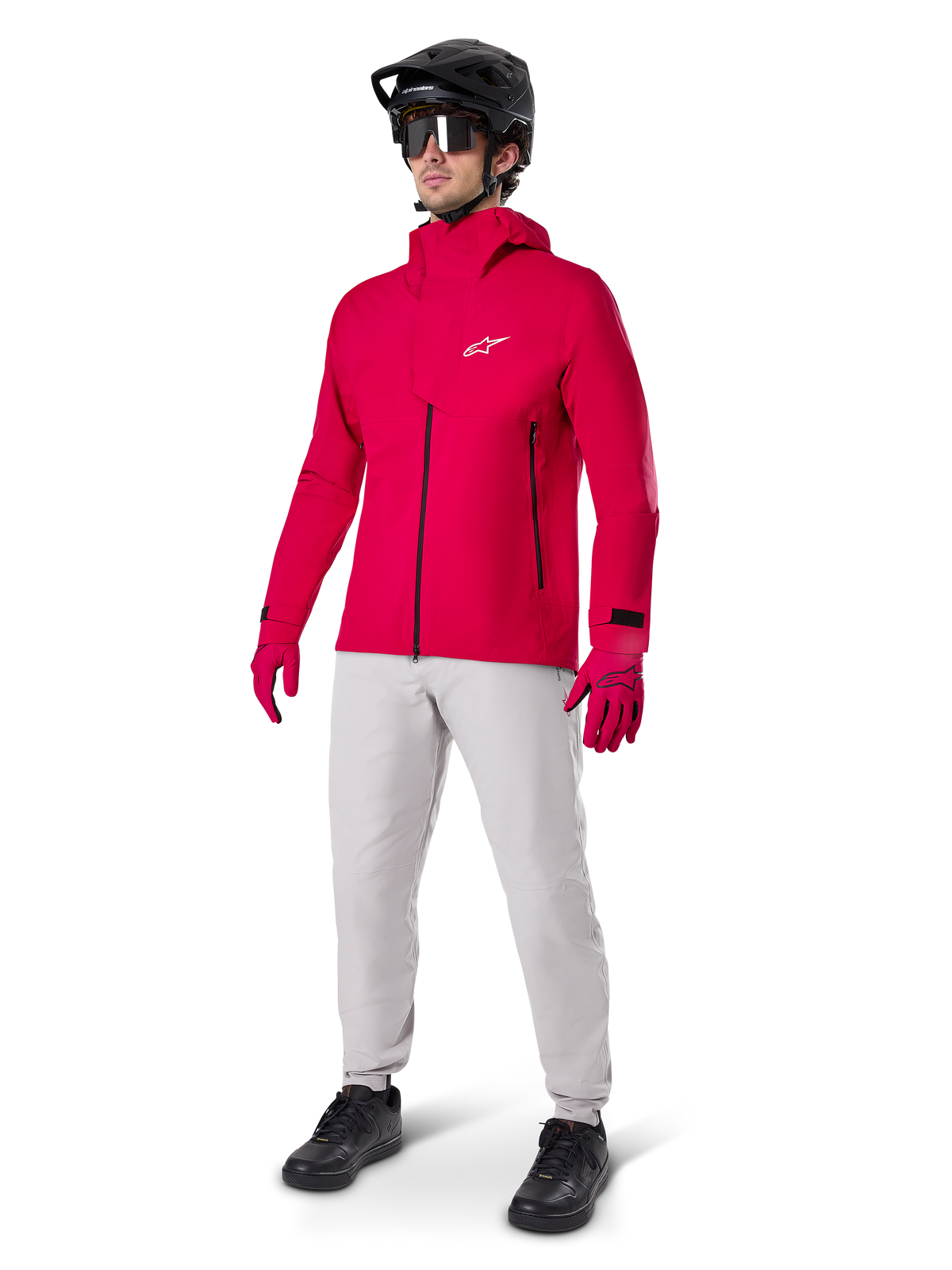
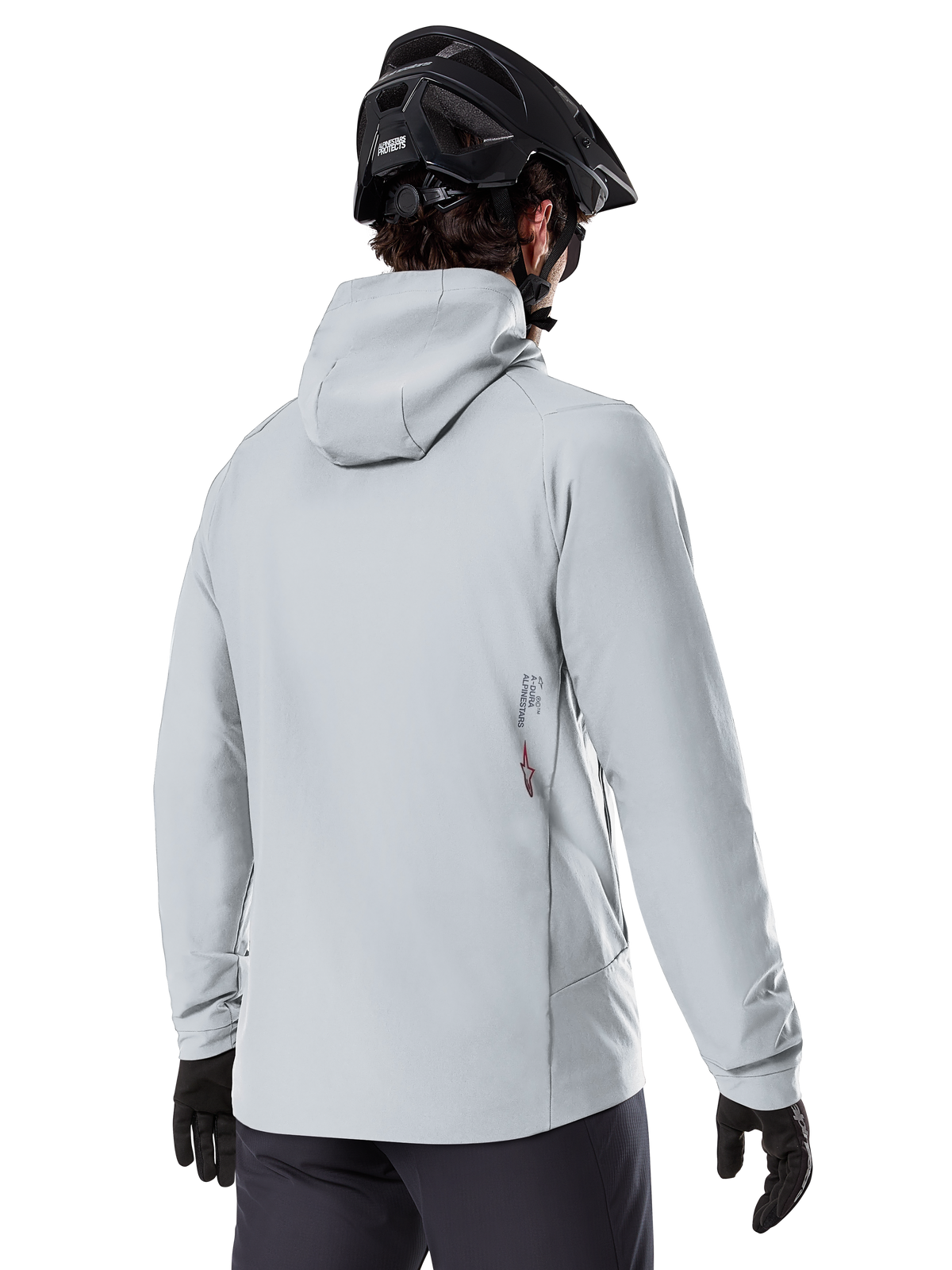
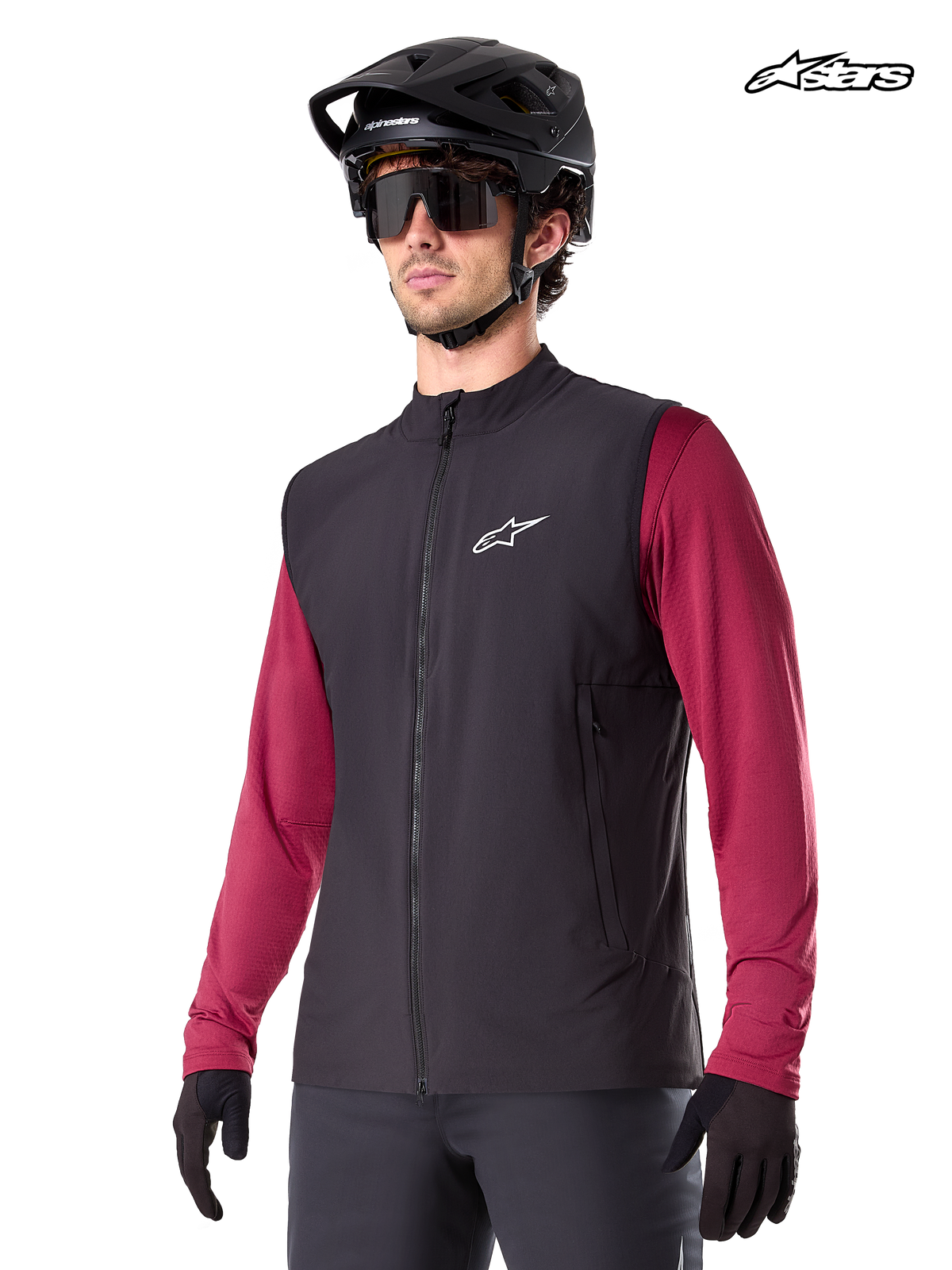
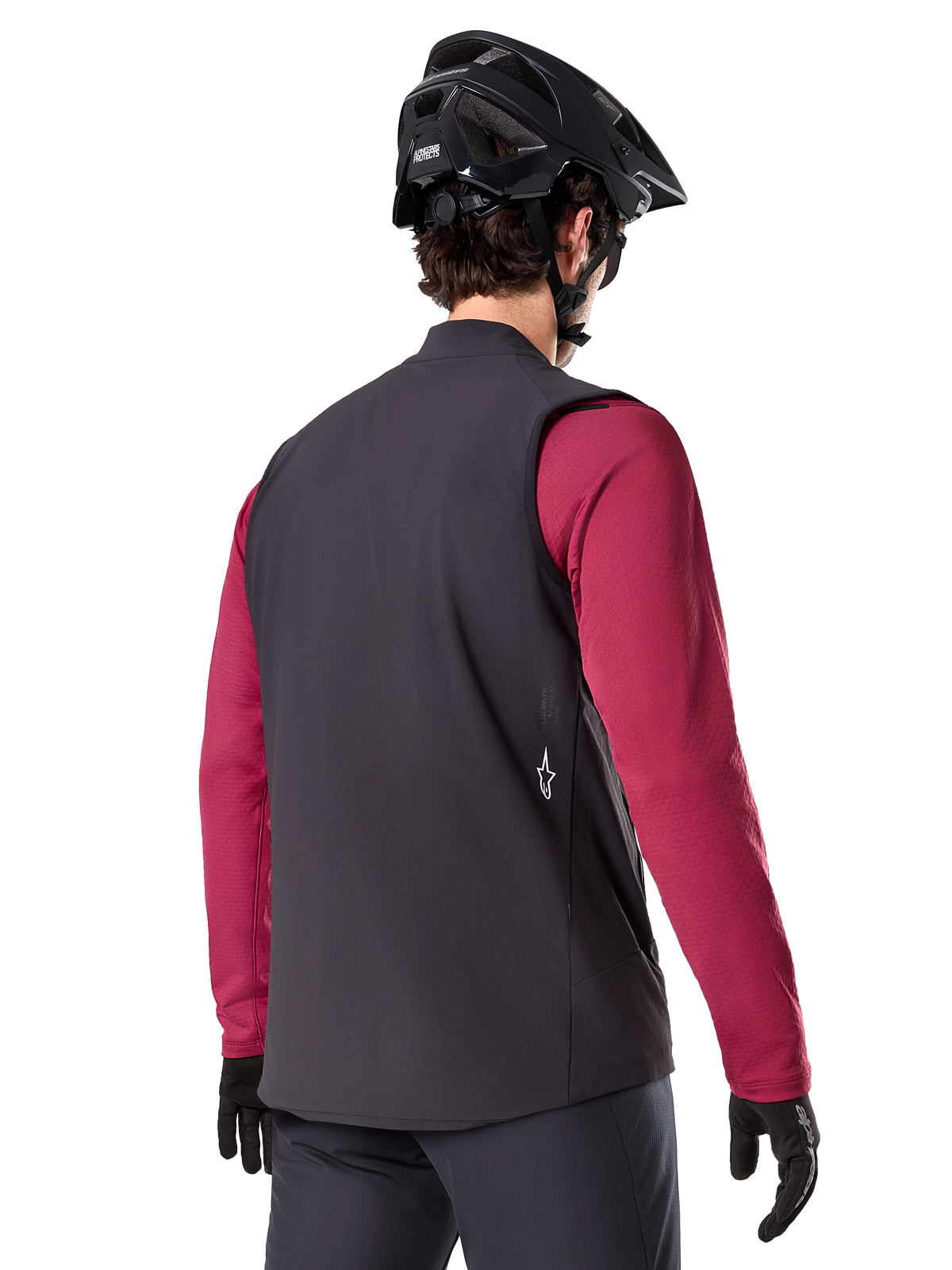
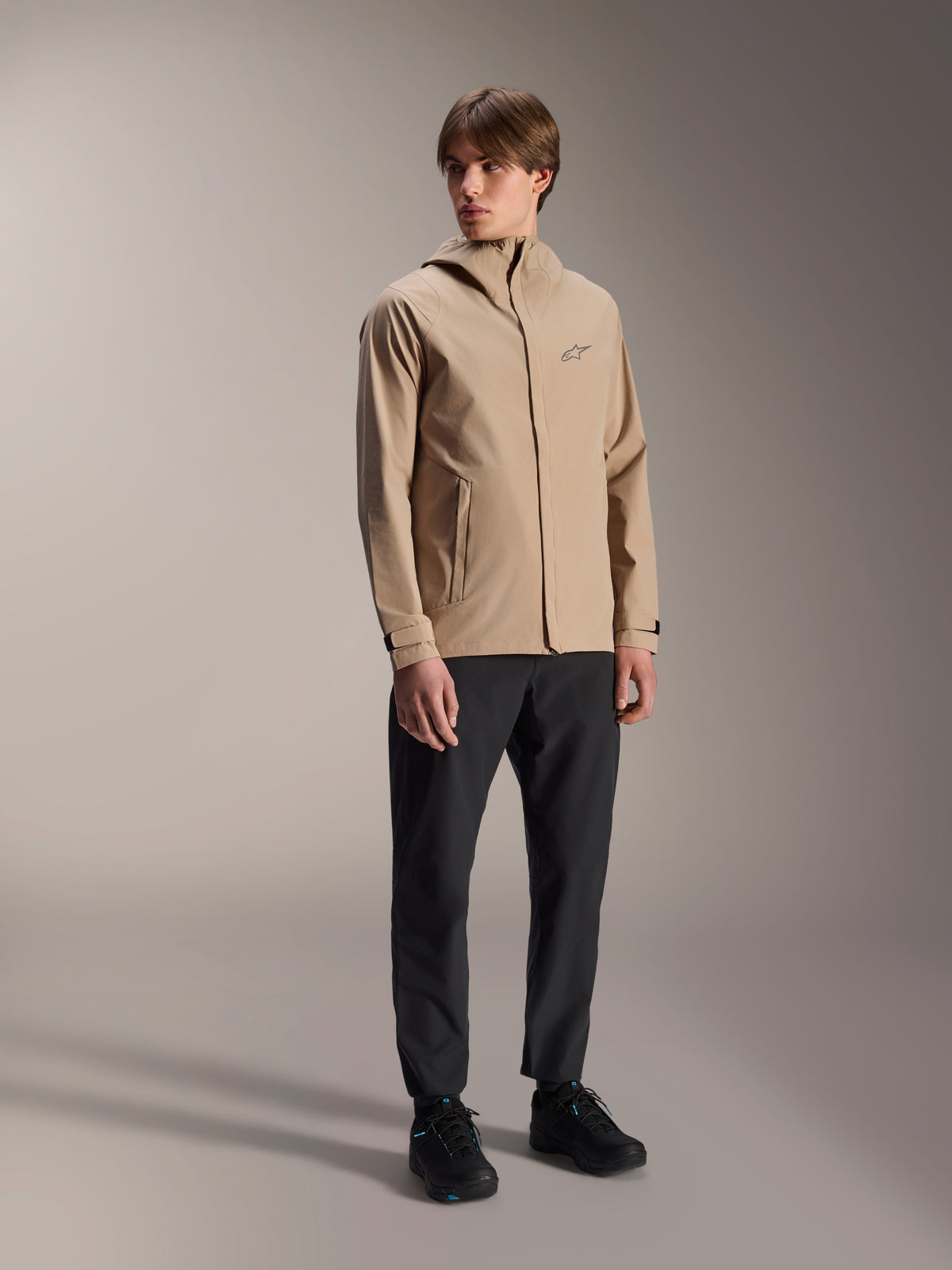
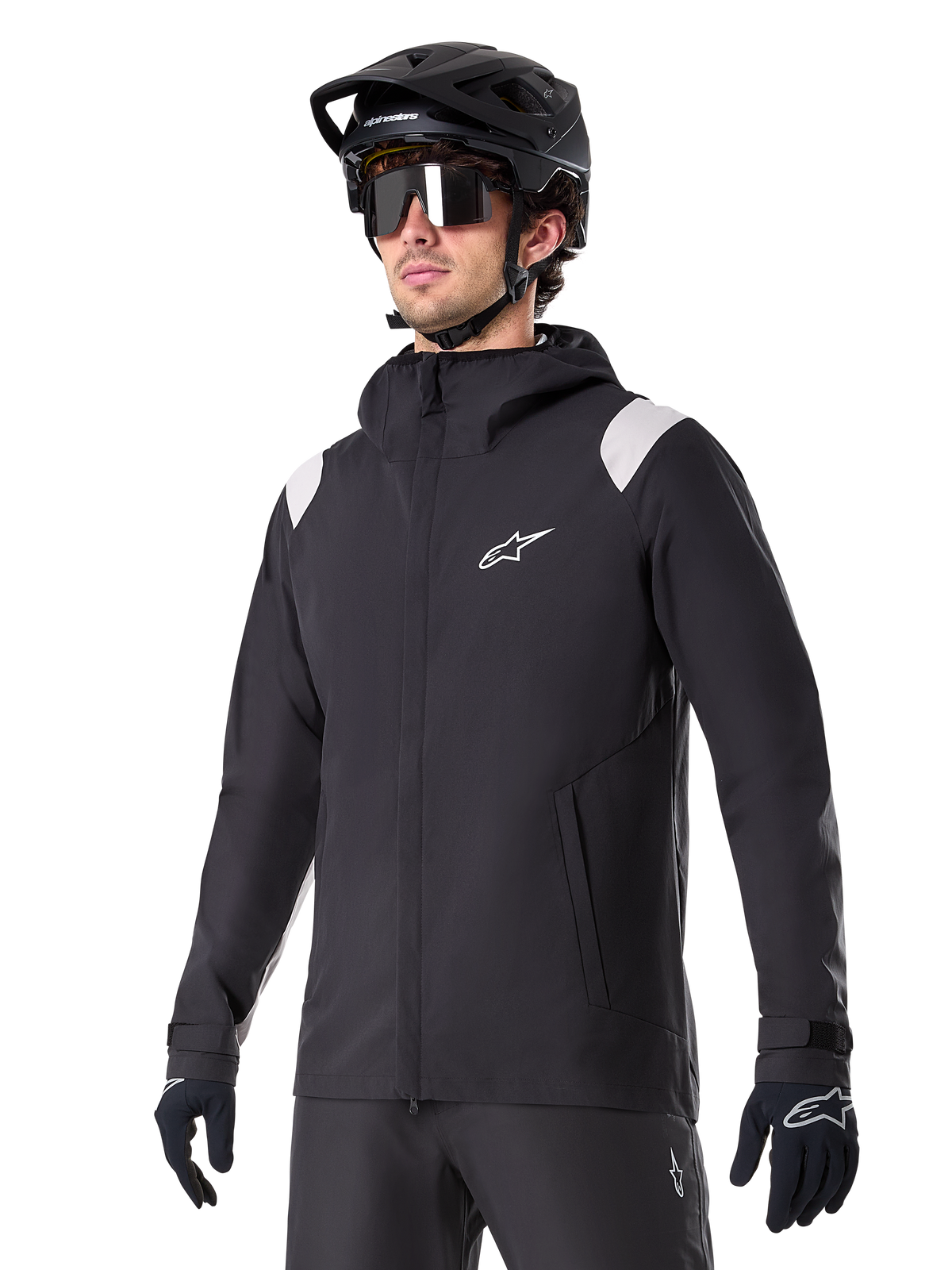
This collection typically includes men’s MTB jackets and vests built for different riding conditions, from lightweight wind-resistant layers for changing weather to thermal jackets for cold rides and waterproof shells for sustained wet conditions.
At collection level, the range is designed for trail, enduro, and all-mountain use where freedom of movement, breathability, and weather protection matter more than a road-cycling race fit. Riders can choose a lighter outer layer for variable conditions or a more protective shell for rain, wind, and colder temperatures.
Are men's MTB jackets waterproof or just water-resistant?
It depends on the jacket type. In an MTB jacket collection, some options are primarily wind-resistant or water-resistant for light showers and fast-moving trail rides, while others are built as fully waterproof shells for heavier rain and prolonged exposure.
If you ride in mixed conditions, look for the balance between waterproof coverage and breathability. A lighter shell usually works well for packability and short weather changes, while a dedicated waterproof jacket is the better choice for cold, wet rides where staying dry is the priority.
How should a men's MTB jacket fit?
An MTB jacket should fit close enough to avoid excess fabric flapping at speed, but with enough room for body movement on the bike. You should be able to reach the bars comfortably, move through technical sections, and layer underneath without the jacket pulling across the shoulders or restricting the elbows.
For mountain biking, the fit is usually more relaxed than a road cycling shell because riders often need extra mobility and, in some cases, space for light protection or additional layers. If you plan to wear a base layer, thermal jersey, or low-profile protection underneath, factor that into your size choice.
What should I wear under an MTB jacket?
For mild conditions, most riders wear a moisture-wicking jersey or base layer under an MTB jacket. In colder weather, a thermal layer adds insulation without replacing the outer jacket’s role of blocking wind and weather.
The best setup depends on temperature and ride intensity. On high-output climbs, breathability becomes more important, so lighter layers usually work better. On colder or wetter rides, pairing the jacket with a thermal base or mid-layer helps manage warmth while keeping the outer shell focused on weather protection.
How do I wash and care for an MTB jacket?
Always start with the care label, because cleaning instructions can vary by fabric and membrane. As a general rule, close zippers, empty pockets, and wash on a gentle cycle with cold water and mild detergent if machine washing is permitted.
Avoid bleach, fabric softener, and high heat, as they can affect technical fabrics, water-repellent finishes, and membrane performance. Air-dry the jacket and reproof it when needed if the outer fabric starts to wet out in rain rather than bead water on the surface.