5 results
-
Supertech R10 Element Helmet -
Supertech R10 Team Helmet -
Supertech R10 Arius Helmet -
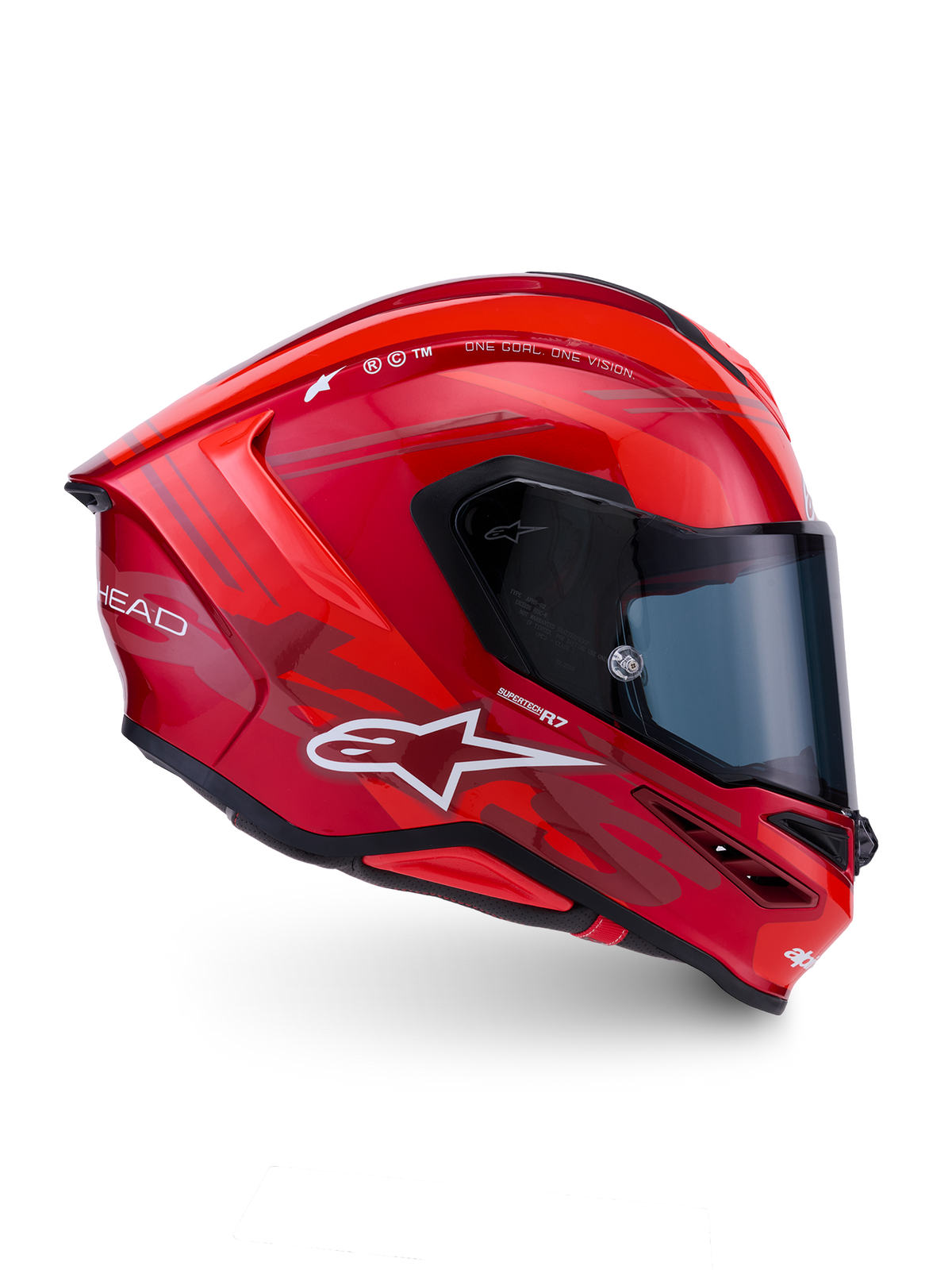
S-R7 A-Core Helmet -
Supertech R10 Miller Limited Edition Helmet
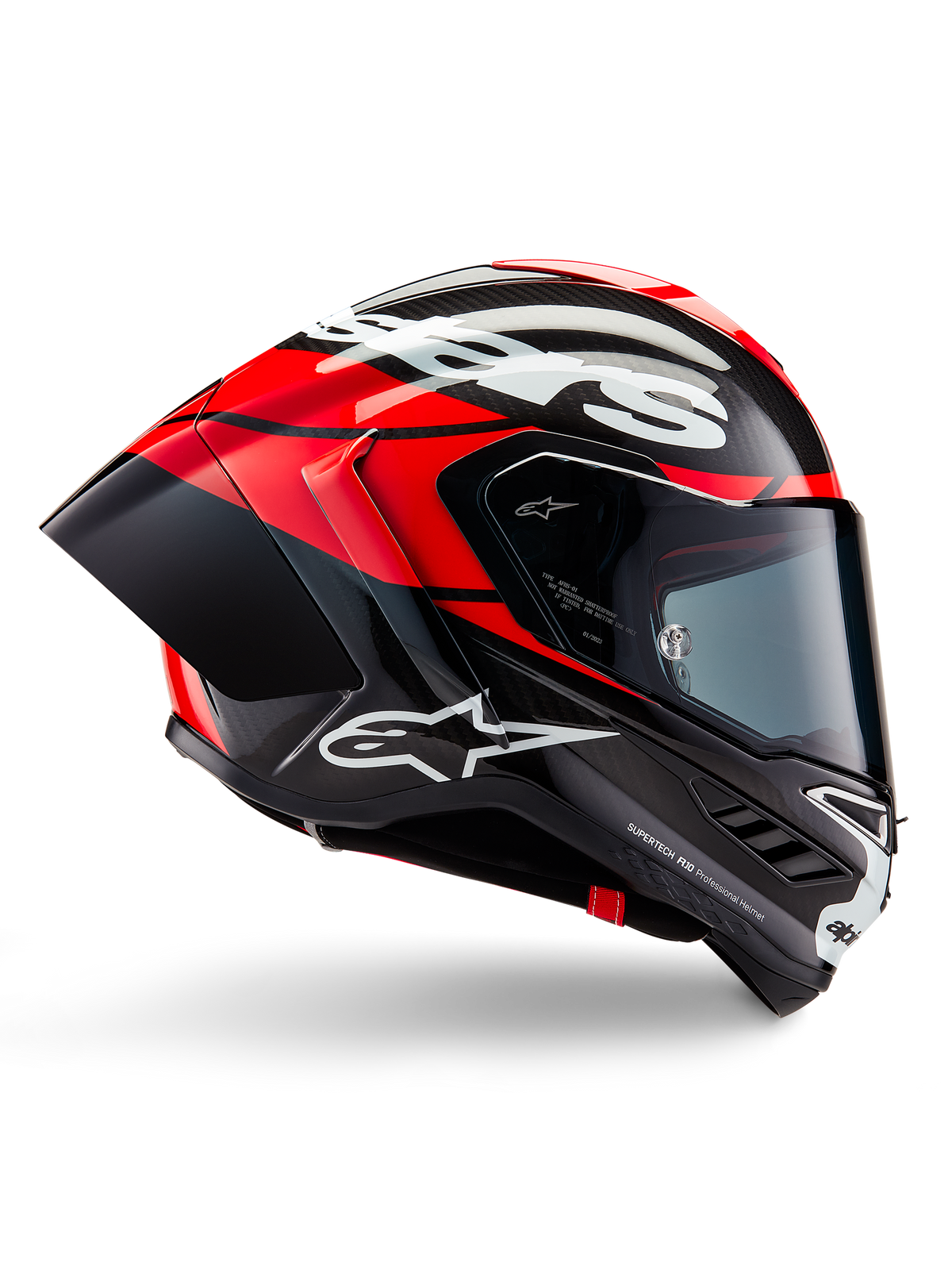
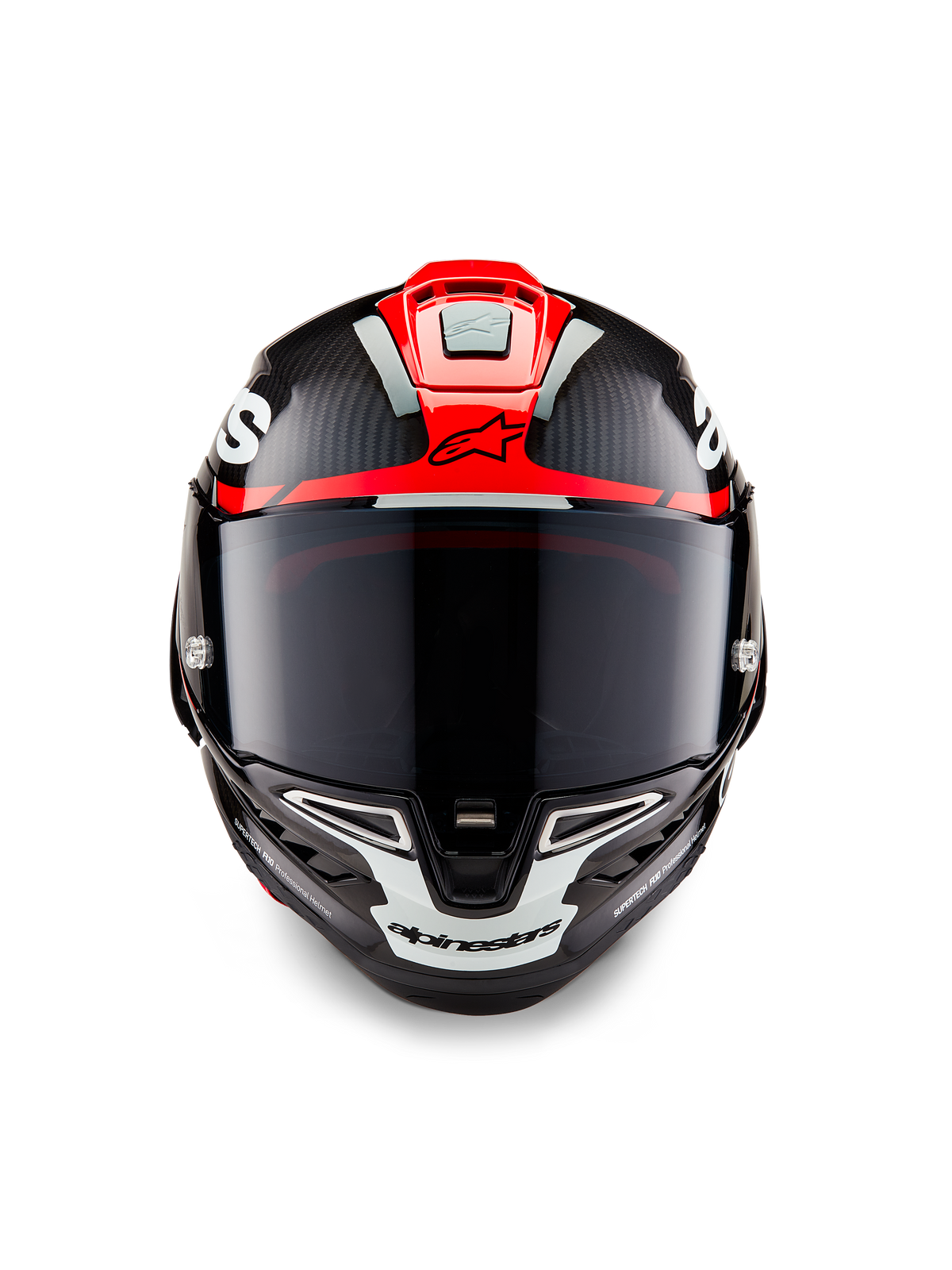


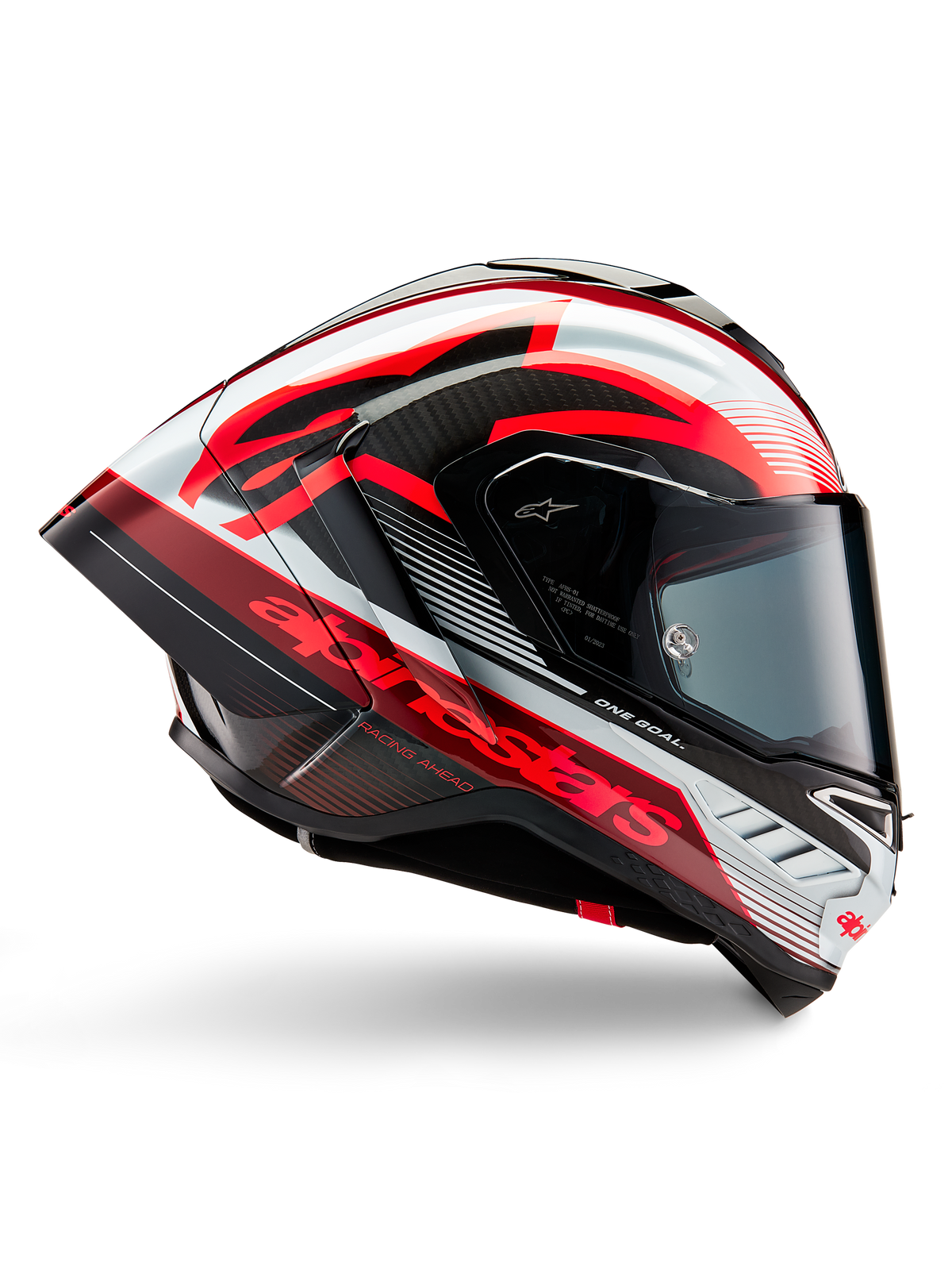


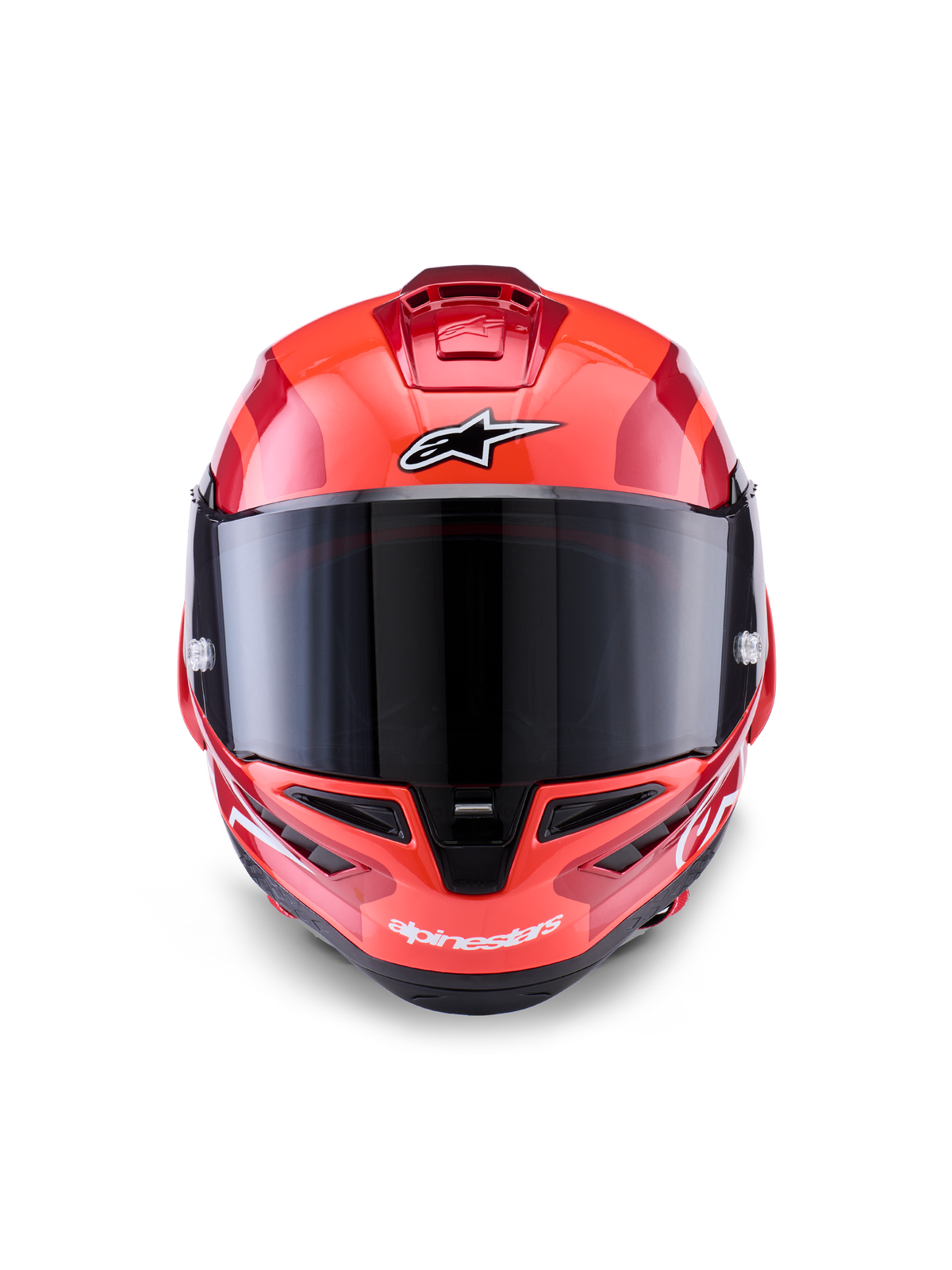




5 of 5 products
All products loaded
Frequently asked questions Hide FAQs
What types of red motorcycle helmets are included in this collection?
This collection brings together red motorcycle helmets across major riding categories, typically including road and racing full-face designs as well as off-road and motocross helmets. Availability can vary by season, graphic release, and certification market.
Road helmets generally focus on aerodynamic stability, visor sealing, and high-speed comfort, while off-road helmets are designed around peak visors, increased ventilation, and goggle compatibility. For a broader category view, you can also explore motorcycle helmets or motocross helmets.
How do I choose between a red road helmet and a red off-road helmet?
The right helmet depends on where you ride. Road and racing helmets are built for pavement use, with integrated face shields, aerodynamic shell shapes, and noise management for street or track conditions. Off-road helmets are optimized for dirt riding, with a peak visor, stronger airflow, and an opening designed for goggles.
| Helmet type | Best use | Key features |
|---|---|---|
| Road / Racing | Street, canyon, track riding | Face shield, aerodynamic shell, weather sealing |
| Off-road / MX | Motocross, enduro, dirt riding | Peak visor, high airflow, goggle compatibility |
If most of your riding is on pavement, choose a road-focused helmet. If you ride dirt or mixed technical terrain, an off-road design is the better match.
How should a red motorcycle helmet fit?
A motorcycle helmet should fit snugly and evenly around the head, with firm contact at the crown and cheeks but no painful pressure points. When fastened, it should feel secure and move your skin slightly when you rotate it by hand, rather than shifting independently.
Measure your head circumference just above the eyebrows and compare it with the relevant size chart. A correct fit also depends on head shape, so if you feel concentrated pressure at the forehead or excessive looseness at the sides, the helmet shape may not be right even if the size appears correct.
What safety certifications should I look for in a red motorcycle helmet?
For riders in the United States, DOT FMVSS 218 is the core road-use certification to check. Many premium helmets also meet ECE 22.06, which is widely used in international markets and is a common benchmark when riders compare modern helmet standards.
Color does not affect certification. When comparing red motorcycle helmets, focus on verified safety labeling, the intended riding discipline, and correct fit. For track-focused use, some helmets may also reference additional competition approvals depending on the model and market.
Are red motorcycle helmets as safe as other helmet colors?
Yes. A red motorcycle helmet can be just as protective as any other color when it has the appropriate certification, shell construction, impact liner, retention system, and proper fit. Protection comes from engineering and compliance, not from the color or graphic treatment.
Some riders choose red for visibility or personal style, but safety should still be judged by the helmet standard, intended use, and how securely the helmet fits. Treat color as a secondary choice after confirming the helmet is correct for your riding conditions.
How do I clean and maintain a motorcycle helmet?
Clean the shell and visor with a soft cloth, water, or a helmet-safe cleaner, and avoid harsh solvents that can damage finishes, shields, and trim. If the helmet has removable interior components, take out the liner and cheek pads for periodic cleaning and allow them to air dry fully before reinstalling.
Routine maintenance should also include checking the visor mechanism, vents, chin strap, and interior for wear or crash damage. Follow the helmet user instructions for model-specific parts and replace damaged components promptly so the helmet continues to perform as intended.