7 results











Frequently asked questions Hide FAQs
What are women’s MTB jackets and vests designed for?
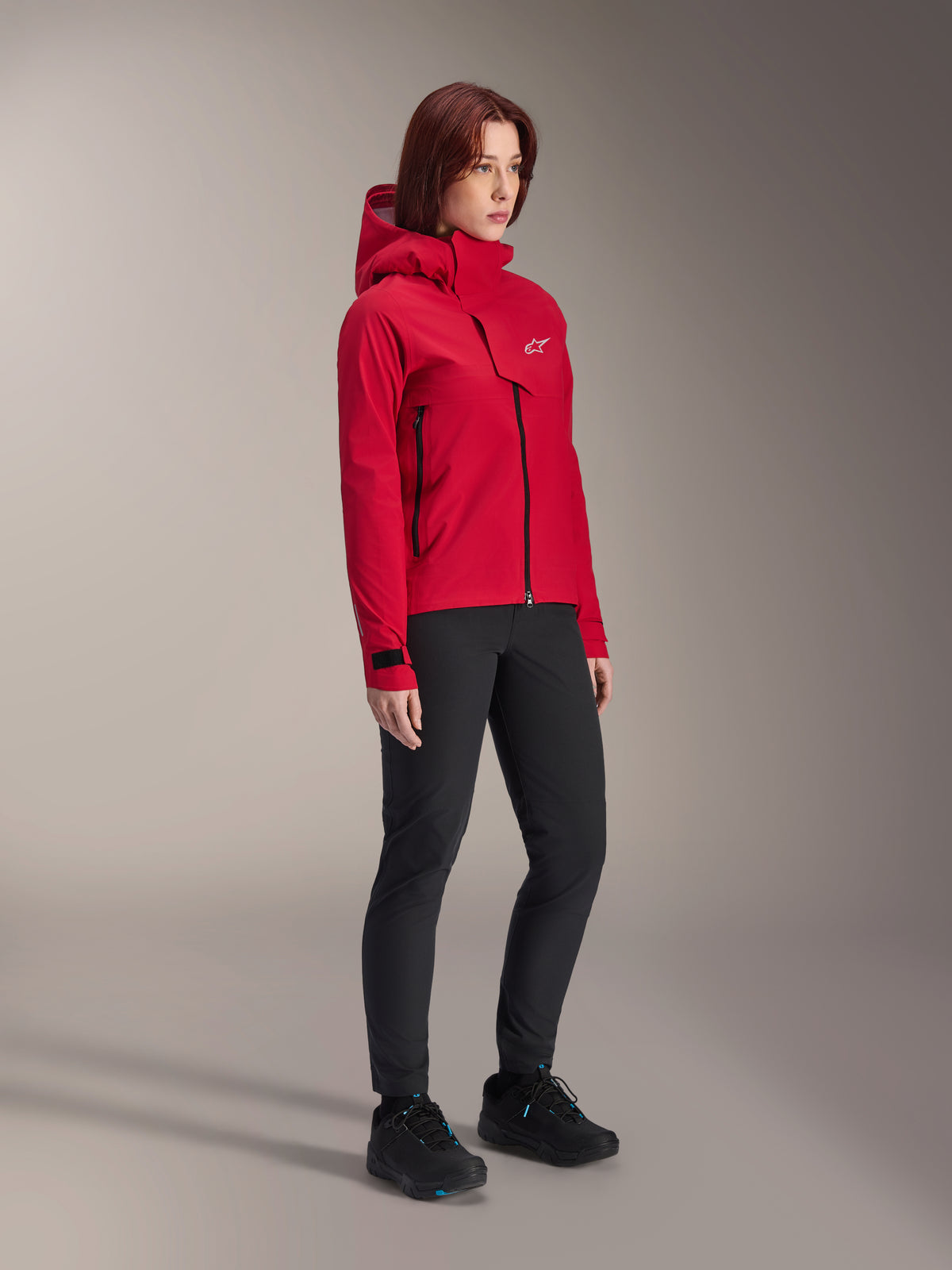
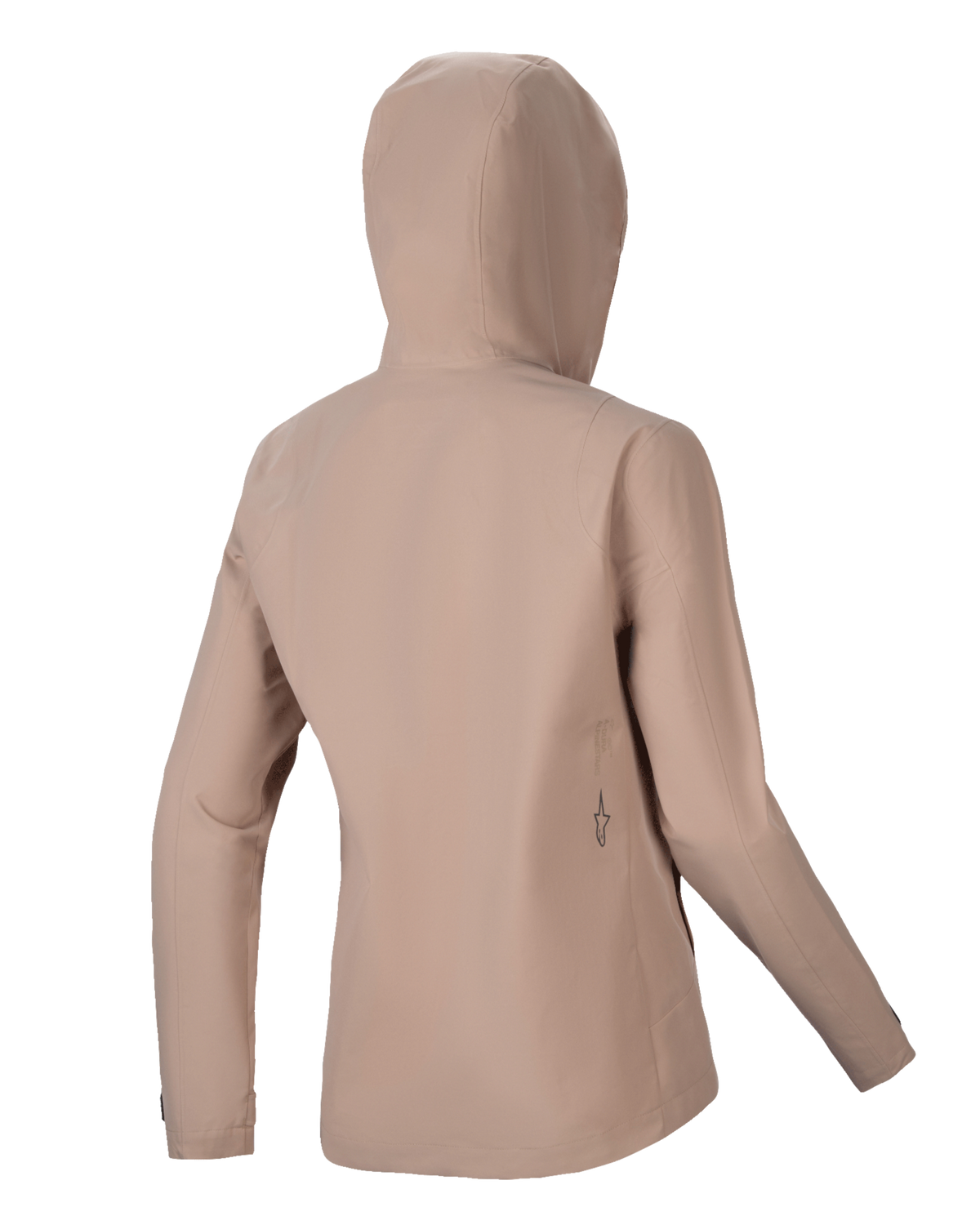
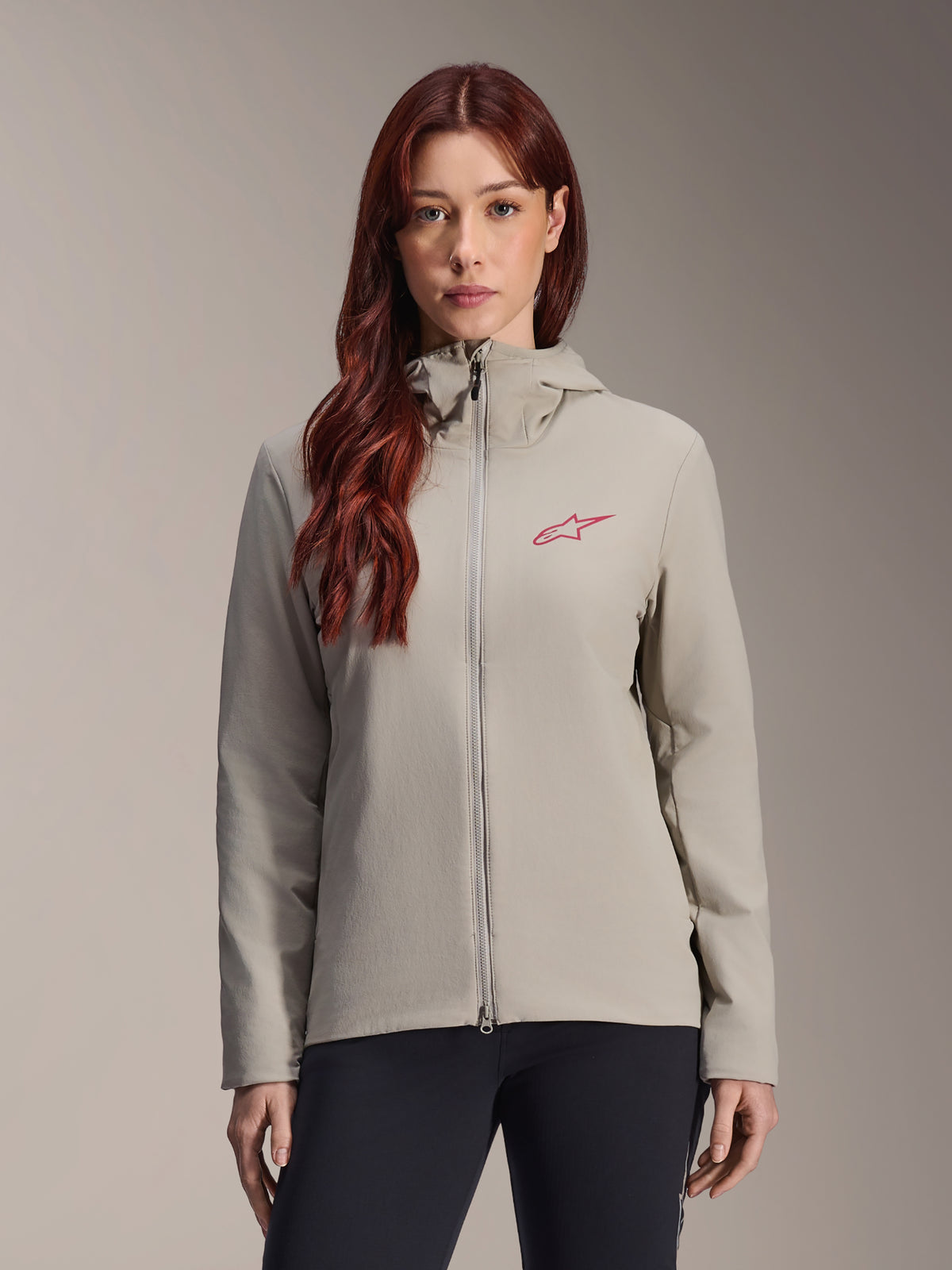
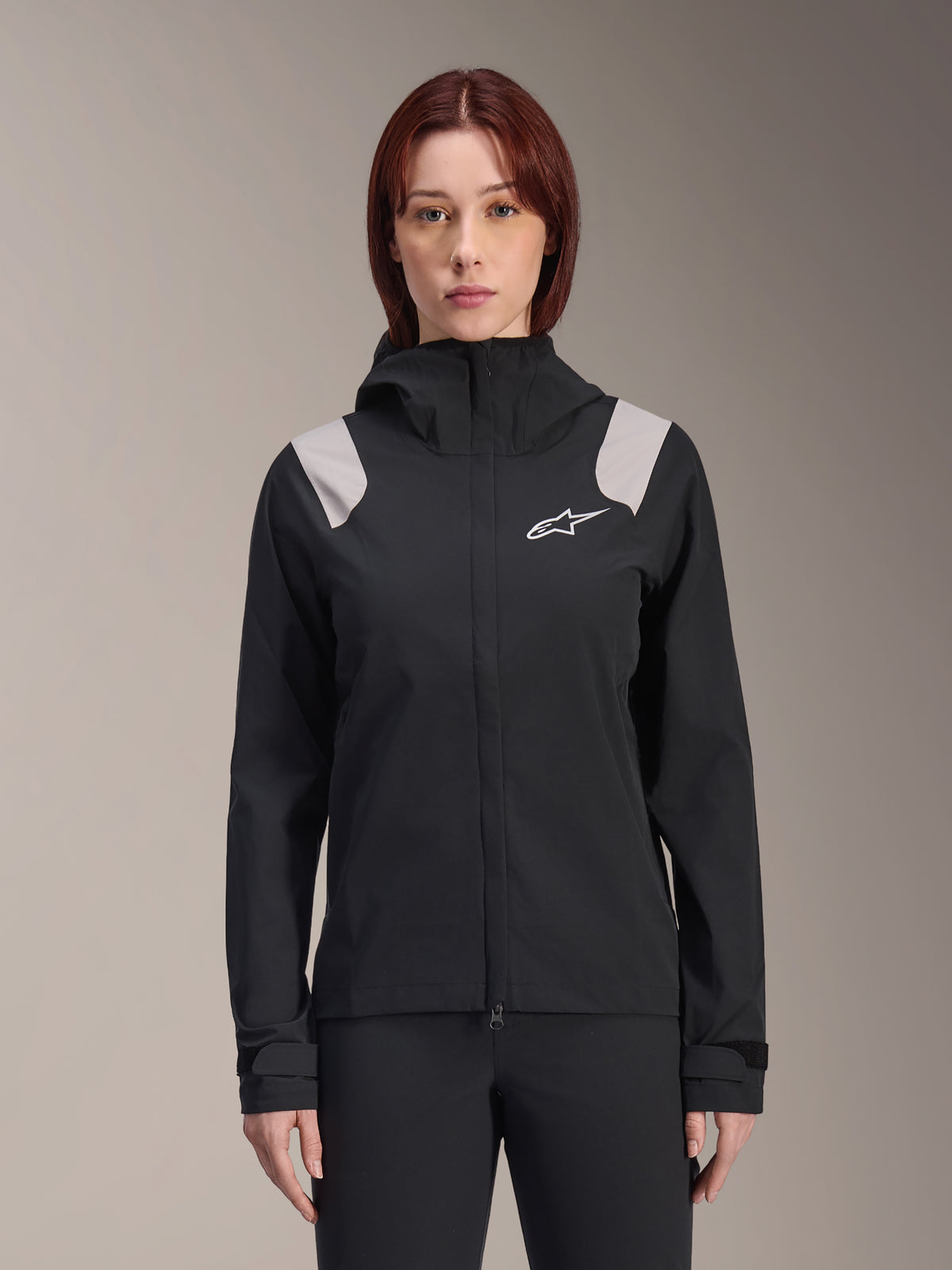
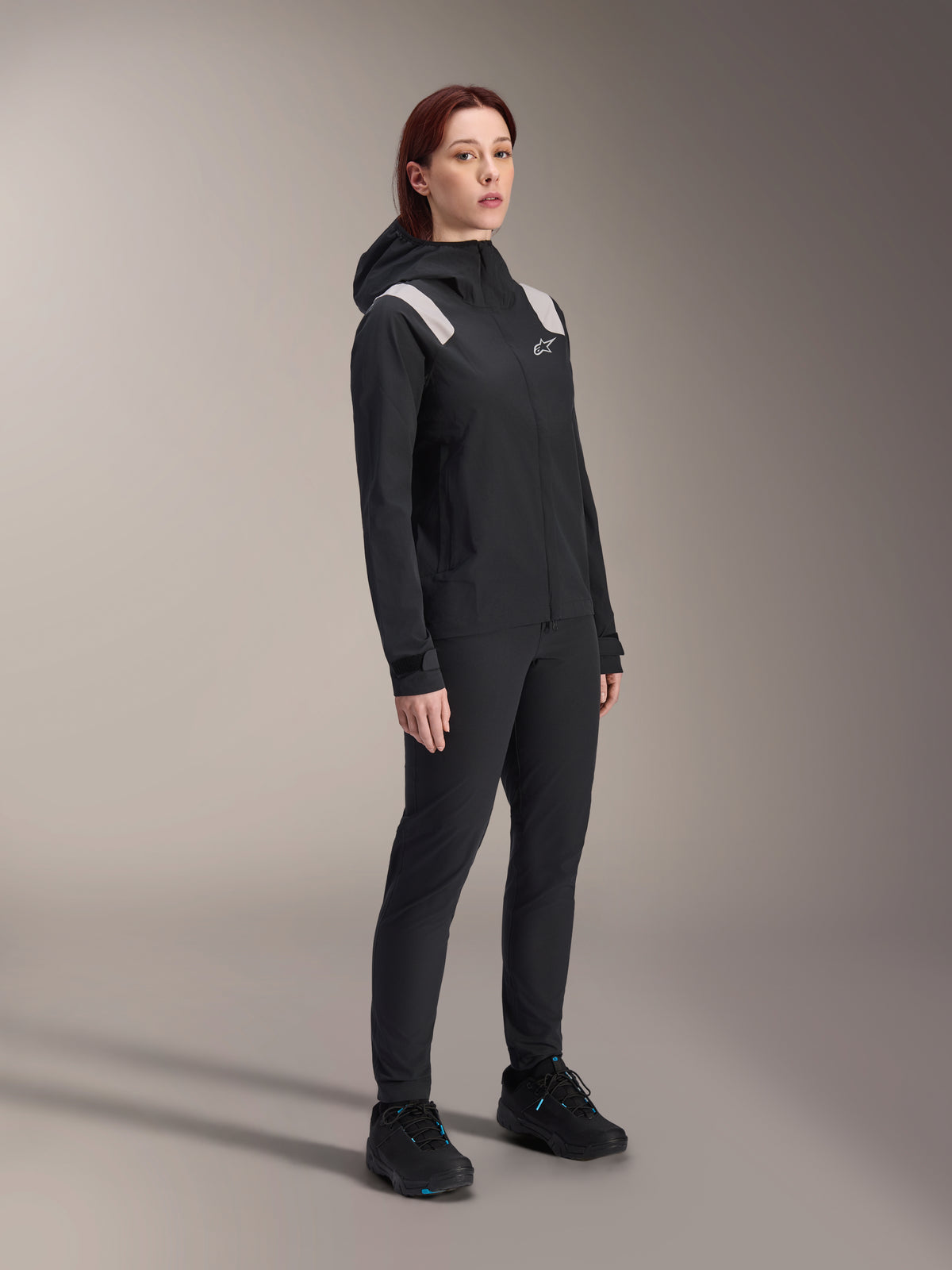
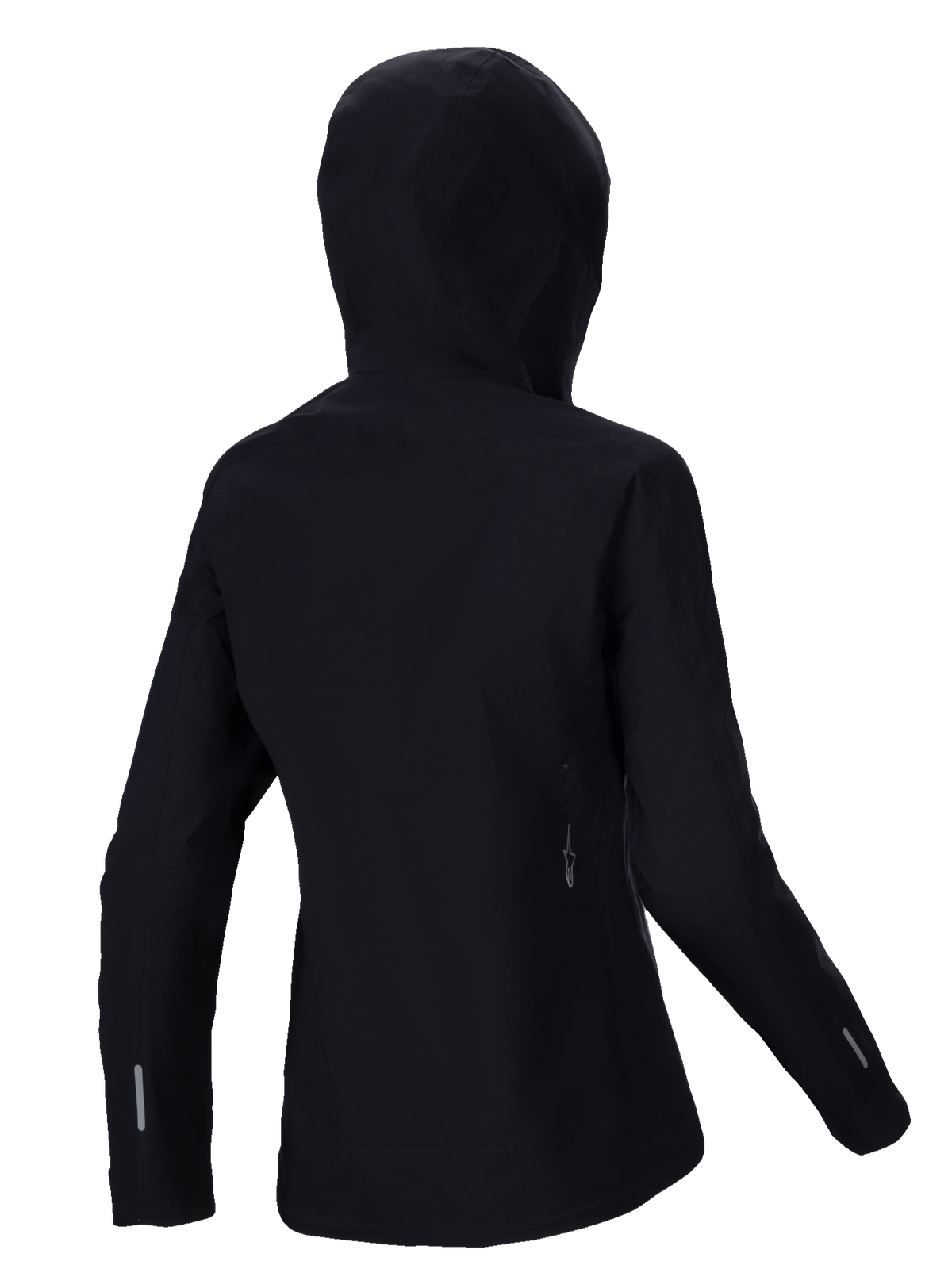
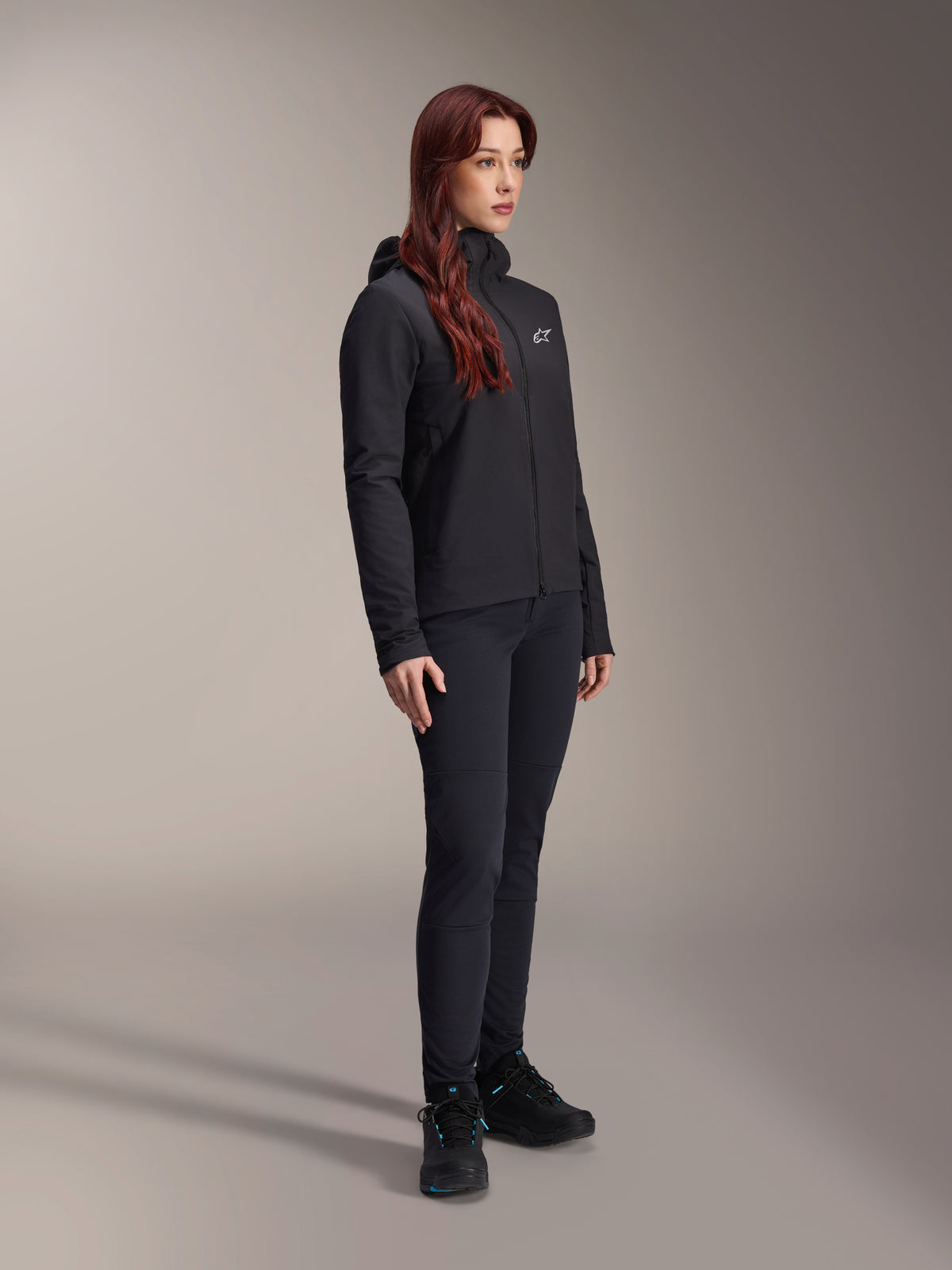
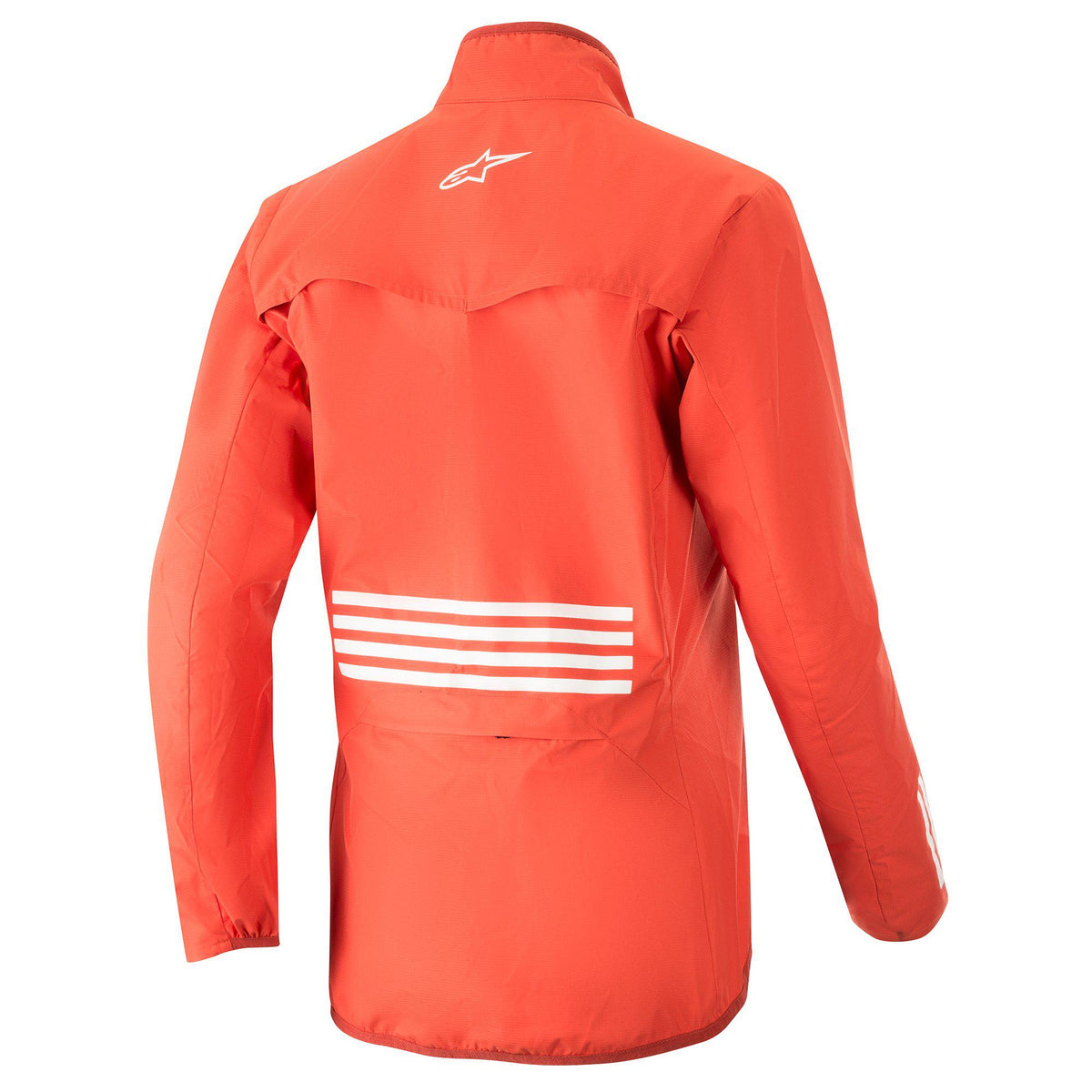
Women’s MTB jackets and vests are built to manage changing trail conditions without restricting movement on the bike. Across this collection, the focus is on lightweight weather protection, breathability, and a women’s-specific fit for mountain biking.
Jackets are typically the better choice for cold, wet, or windy rides, while vests are useful when core wind protection matters but you still want maximum arm mobility and cooling on climbs.
How should a women’s mountain bike jacket fit?
A women’s MTB jacket should fit close enough to avoid flapping at speed, while still leaving room for natural riding movement through the shoulders, elbows, and back. The best fit feels secure in a riding position, with sleeve length and rear coverage that still work when your arms are extended on the handlebar.
If you regularly layer over a thermal jersey or protective layer, check the size guide and consider the intended use. A rain shell usually works best with a streamlined fit, while colder-weather jackets may need slightly more layering space underneath.
What is the difference between a women’s MTB jacket and a women’s MTB vest?
Both are designed for trail riding, but they solve slightly different problems:
| Option | Main benefit | Best conditions |
|---|---|---|
| MTB jacket | More complete coverage against wind, rain, and cold | Wet weather, cold descents, variable conditions |
| MTB vest | Core protection with greater ventilation and arm freedom | Cool mornings, windy rides, high-output climbs |
If you ride through a wide range of temperatures, many riders use a vest for milder conditions and a shell or thermal jacket when weather protection becomes the priority.
Are women’s MTB jackets waterproof or just water-resistant?
That depends on the construction within the collection. Some women’s MTB jackets are designed as lightweight wind or rain layers for short-term protection, while others use more weather-focused membrane constructions for sustained wet conditions.
For trail riding, waterproof performance needs to be balanced with breathability. A more protective shell is useful in heavy rain and long descents, while a lighter jacket may feel better for fast, high-output riding where ventilation is equally important.
How should I wash and care for a women’s MTB jacket or vest?
Always follow the care label first. In general, wash technical MTB outerwear with mild detergent on a gentle cycle, close zips and fasteners before washing, and avoid bleach, fabric softener, and high heat, since these can reduce the performance of breathable or water-repellent fabrics.
Air-dry the garment unless the care label states otherwise. Keeping jackets and vests clean helps maintain breathability and surface water repellency, which is especially important for waterproof or weather-resistant trail outerwear.